
A 17th-century house in Suffolk beautified not once, but twice by Retrouvius
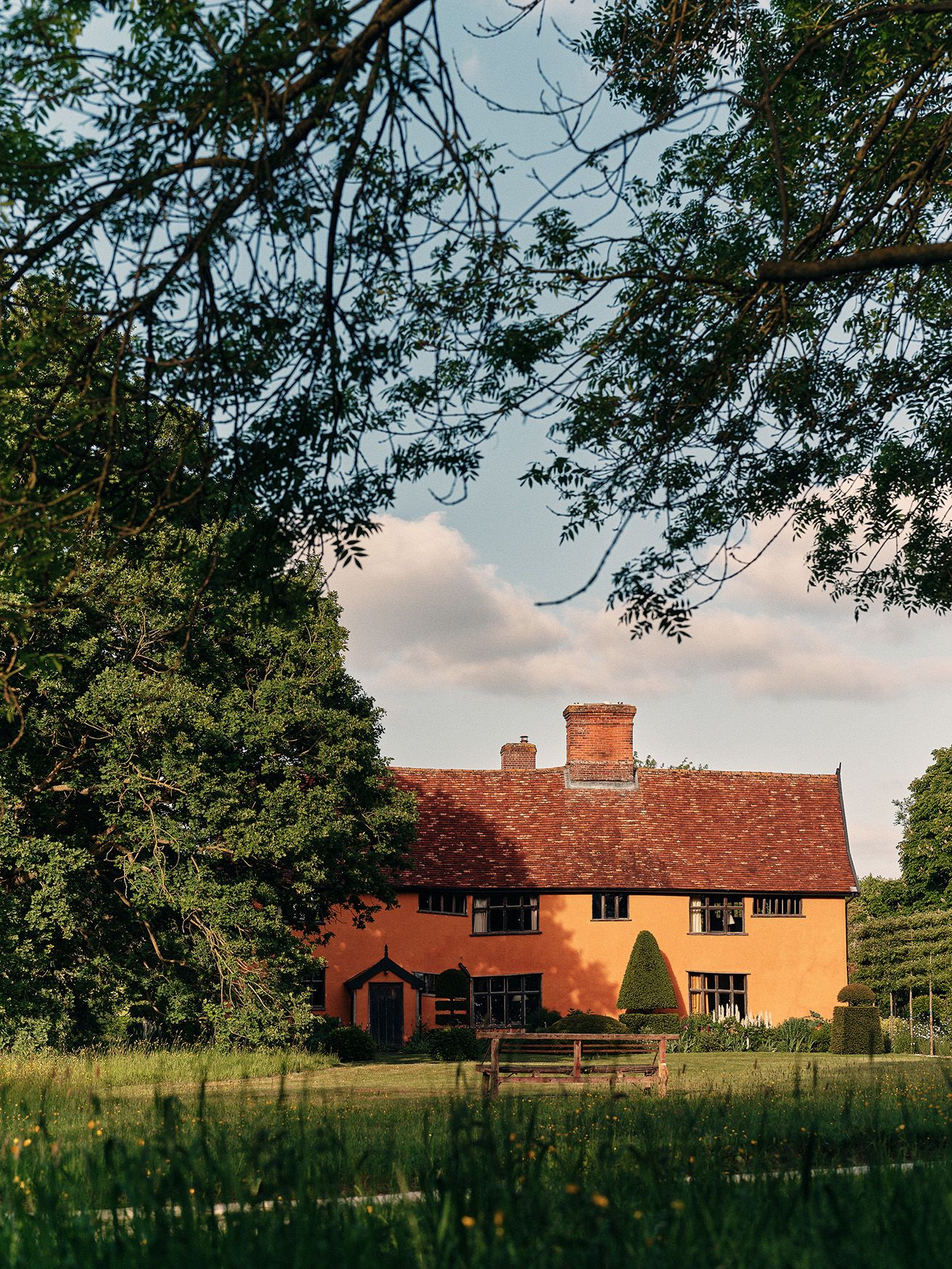
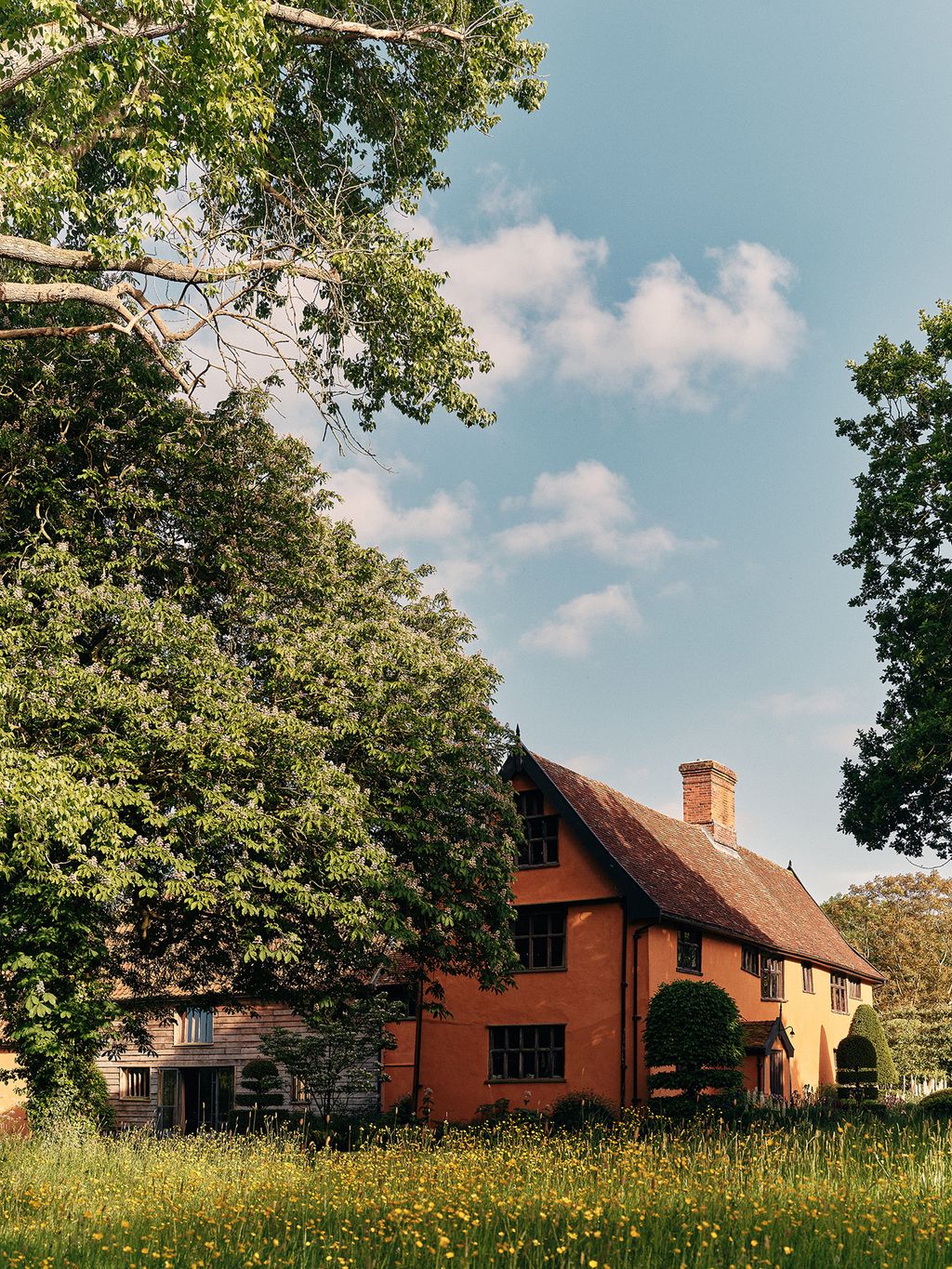
When Maria Speake of Retrouvius was invited to visit new clients near Eye in Suffolk, she had no trouble finding the house. In fact, she was already familiar with every last cranny and cushion cover within its timber-framed walls. This was because the interior designer and architectural-salvage crusader had worked on the house purely in a furnishing capacity some 15 years earlier for the previous owners, who had, in 2019, sold it to the current incumbents ‘lock, stock and barrel’. The new owners had no idea of Maria’s involvement until a friend, who’d had help from the designer on her own house, came to stay and felt there was something familiar about it.
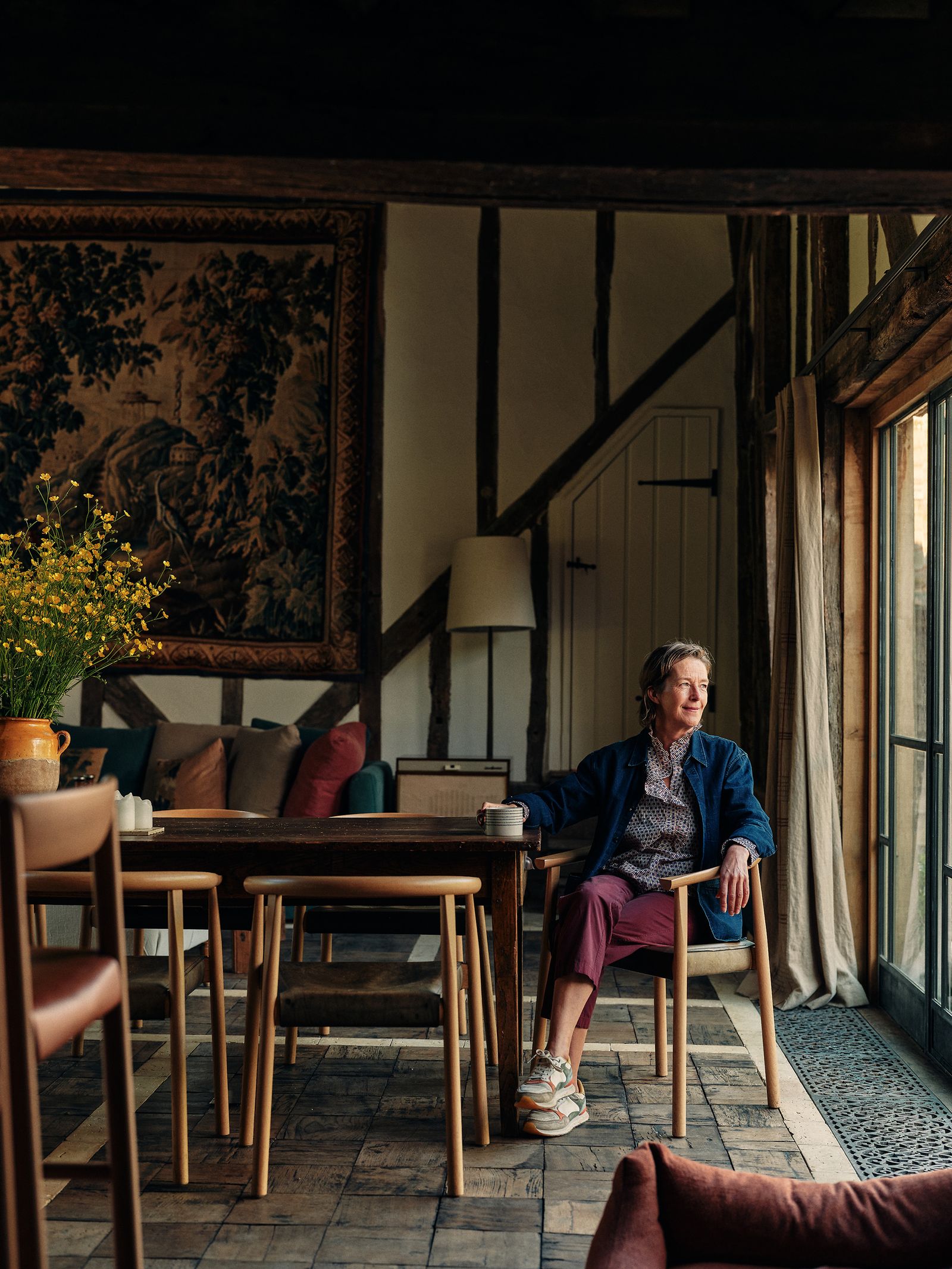
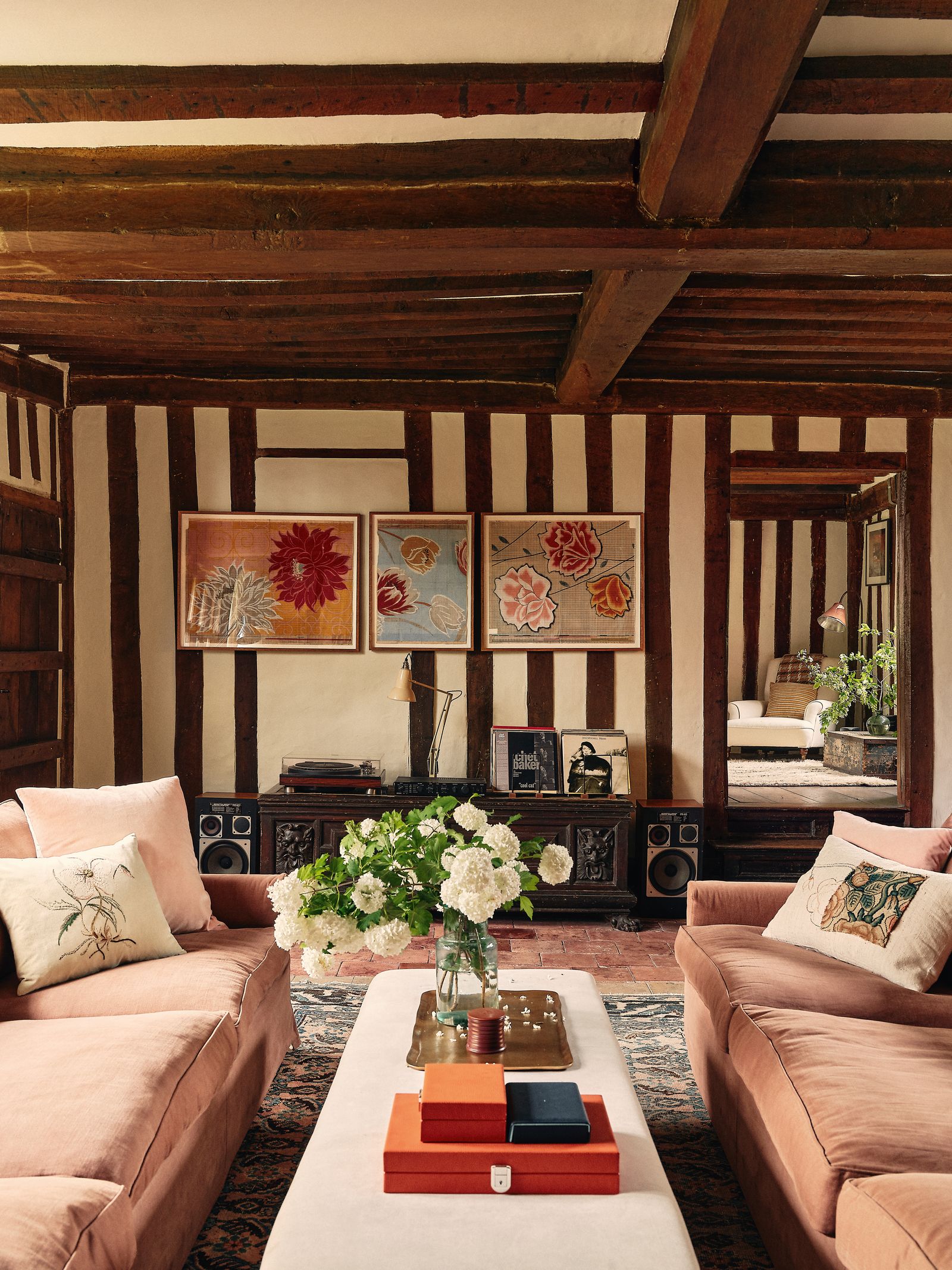
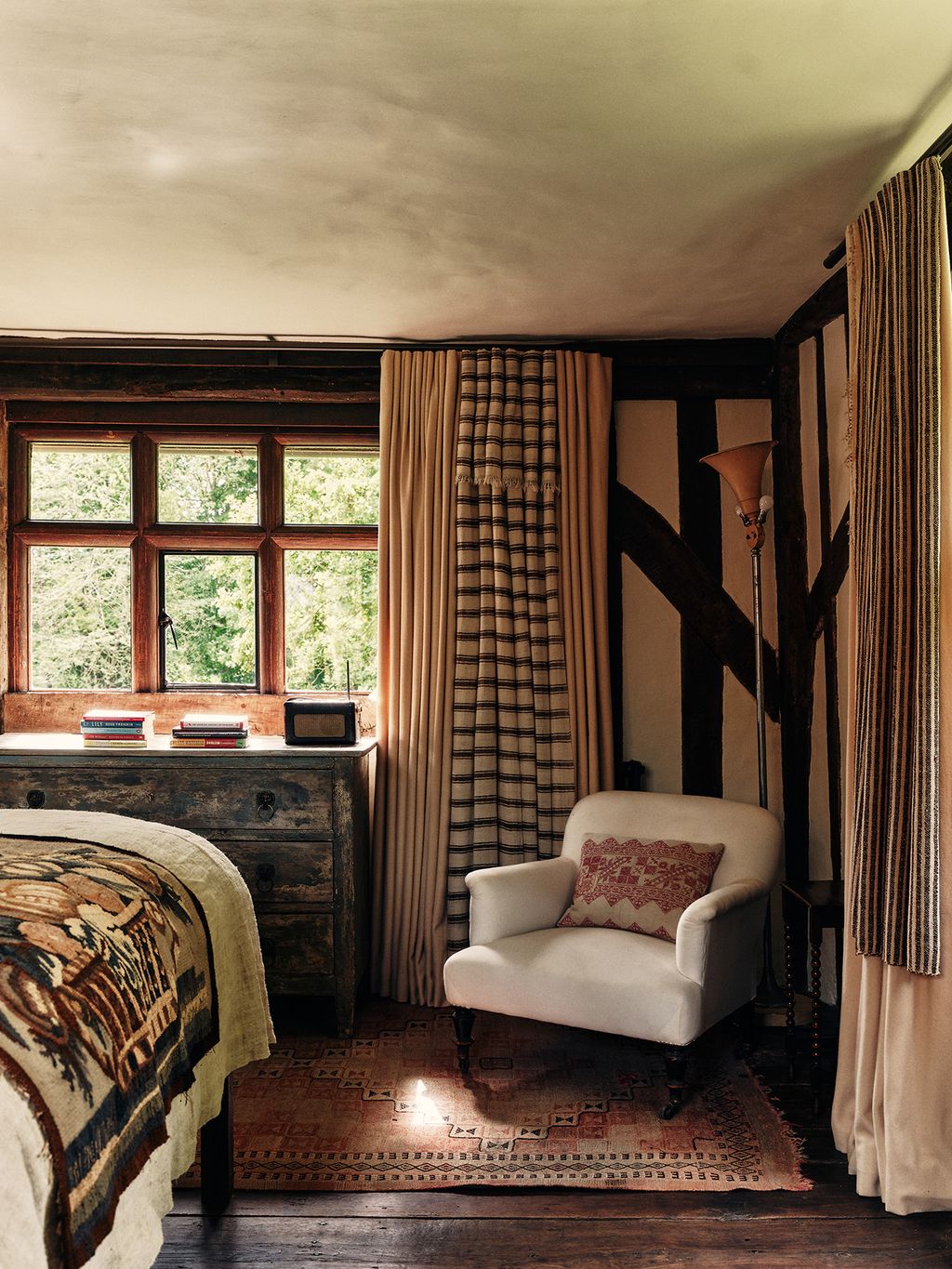
The main giveaway was the curtains. Many of them have been made up in what is now a signature style for Maria, but which she used first in this house. Working with Lucy Bathurst of Nest Design, Maria devised a scheme whereby a vintage textile is laid over a curtain in a more neutral fabric with mini- mal stitching. ‘It means that you can unpick it easily,’ she says. ‘You have the curtain underneath, but if you want to change the look, it can be done simply and it keeps these nice old textiles intact.’
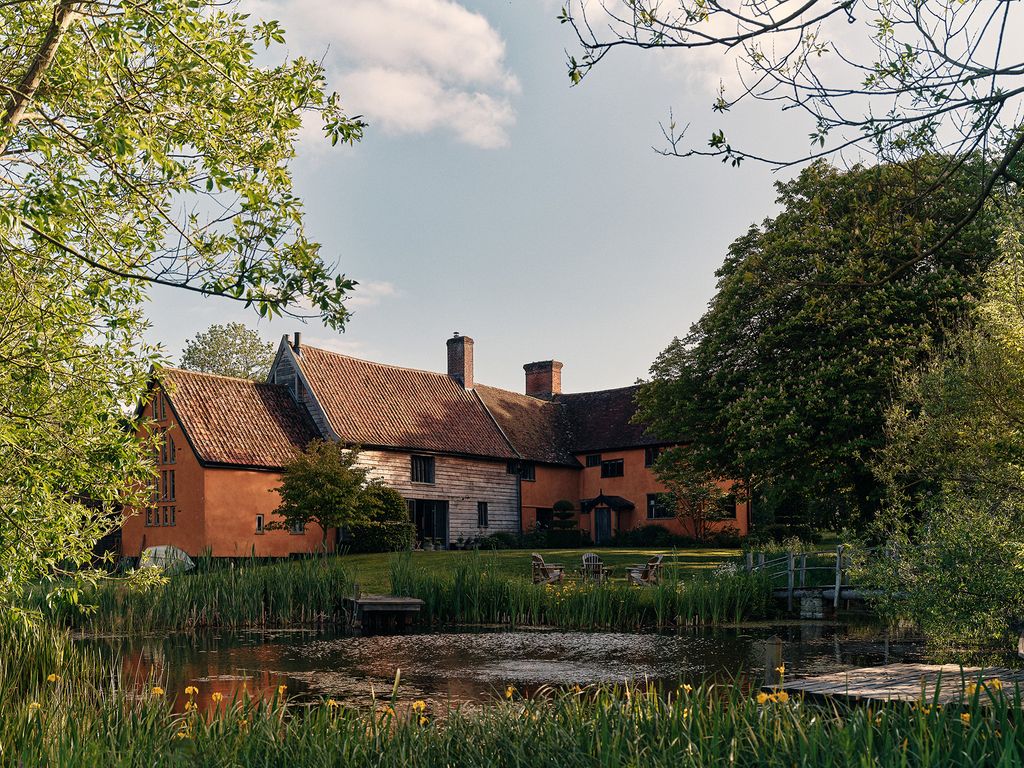
The property sits on land once linked to the wealthy Benedictine Abbey of Bury St Edmunds, which was dissolved by Henry VIII in 1539. The oldest part of the existing house dates to around 1600; by the 19th century, it was functioning as a farm. In 1965, it was taken on by the Society for the Protection of Ancient Buildings for a while and, to some extent, Maria had in mind the Arts and Crafts ethos of William Morris, one of the society’s founders, when she initially decorated the house: ‘It was about finding things that felt like they had the right spirit – and more about the handmade than just being slavish to one particular period.’
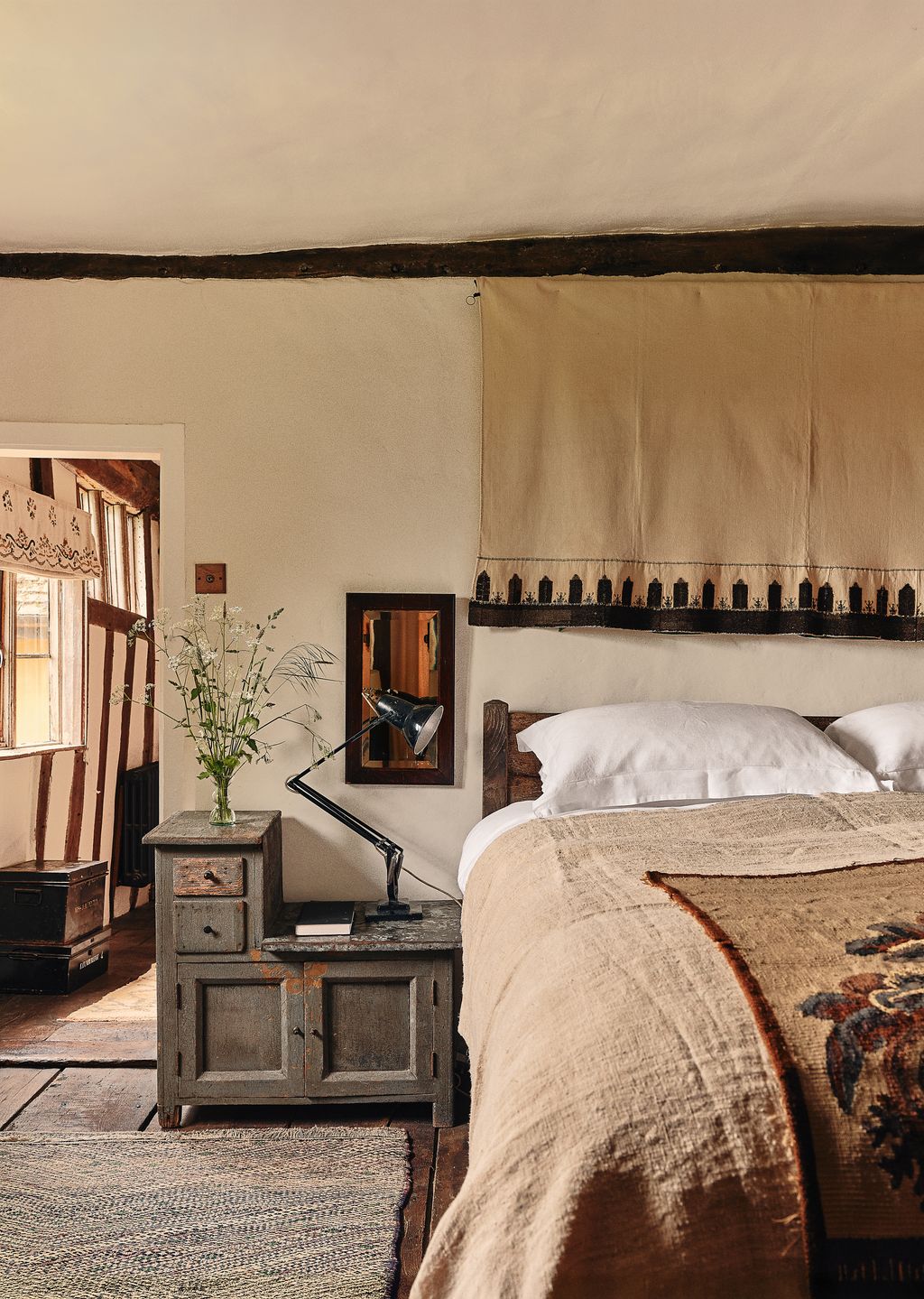
Thanks to what Maria fondly calls the ‘wonk and wobble’ of the house, handmade was the only way to go for the beds. These had to be designed to allow for the uneven floors and for easy dismantling to fit up the twisting enclosed staircase: ‘We had bought a medieval bed, then modelled the others on that – keeping things as plain as possible.’
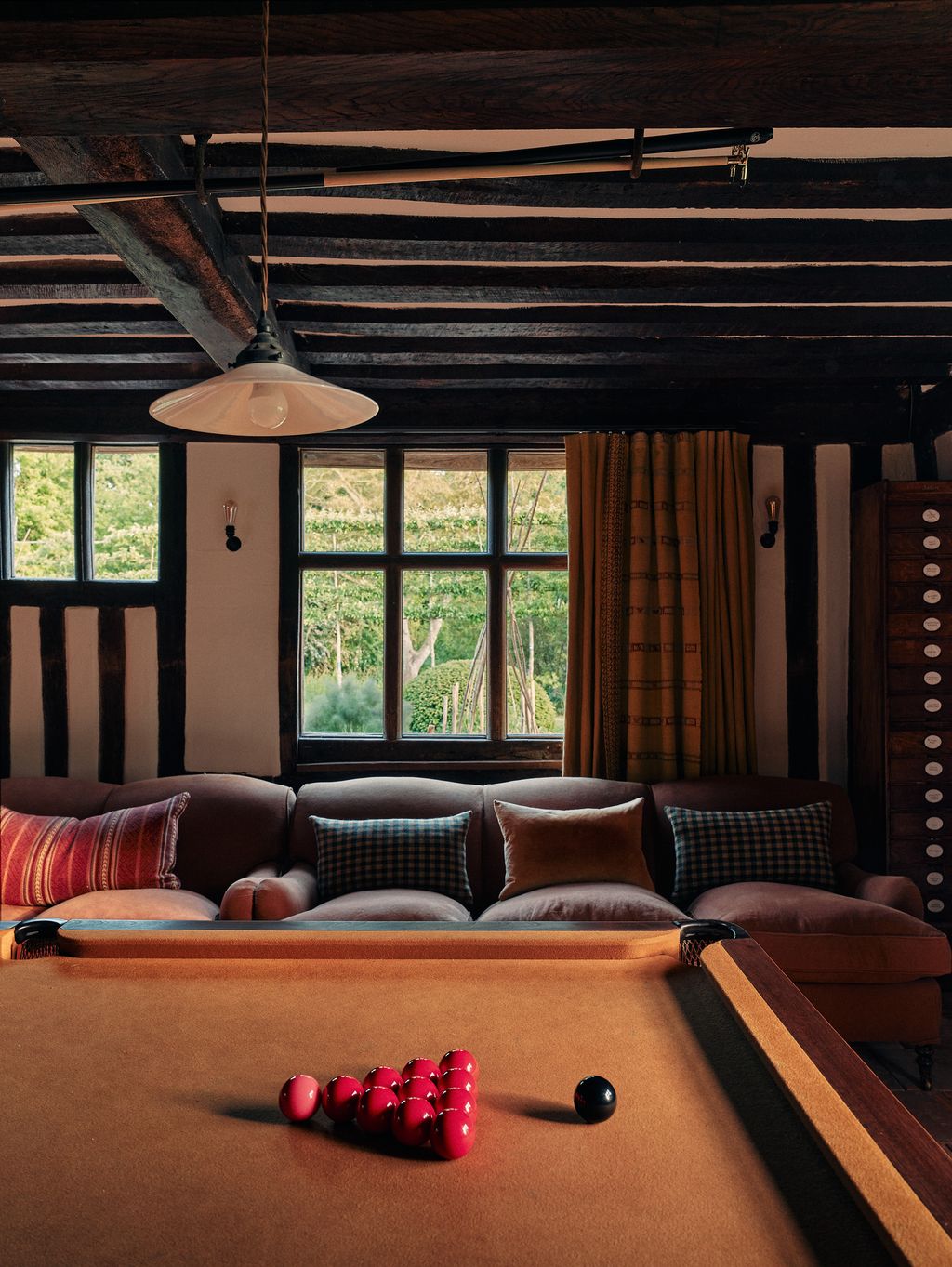
When lockdown hit just months after the current owners had completed on the fully furnished house, they installed themselves here with their three grown-up children plus partners. A pool table was introduced in the rather dark, uninsulated former barn that had been hitched to the main building in the 17th century. ‘We loved it – everyone would meet there after work for a game and a beer,’ says the mother of the family. ‘But we realised it was such a waste that there was this beautiful building we never used from October to May – except at Christmas, when it served as a big fridge.’
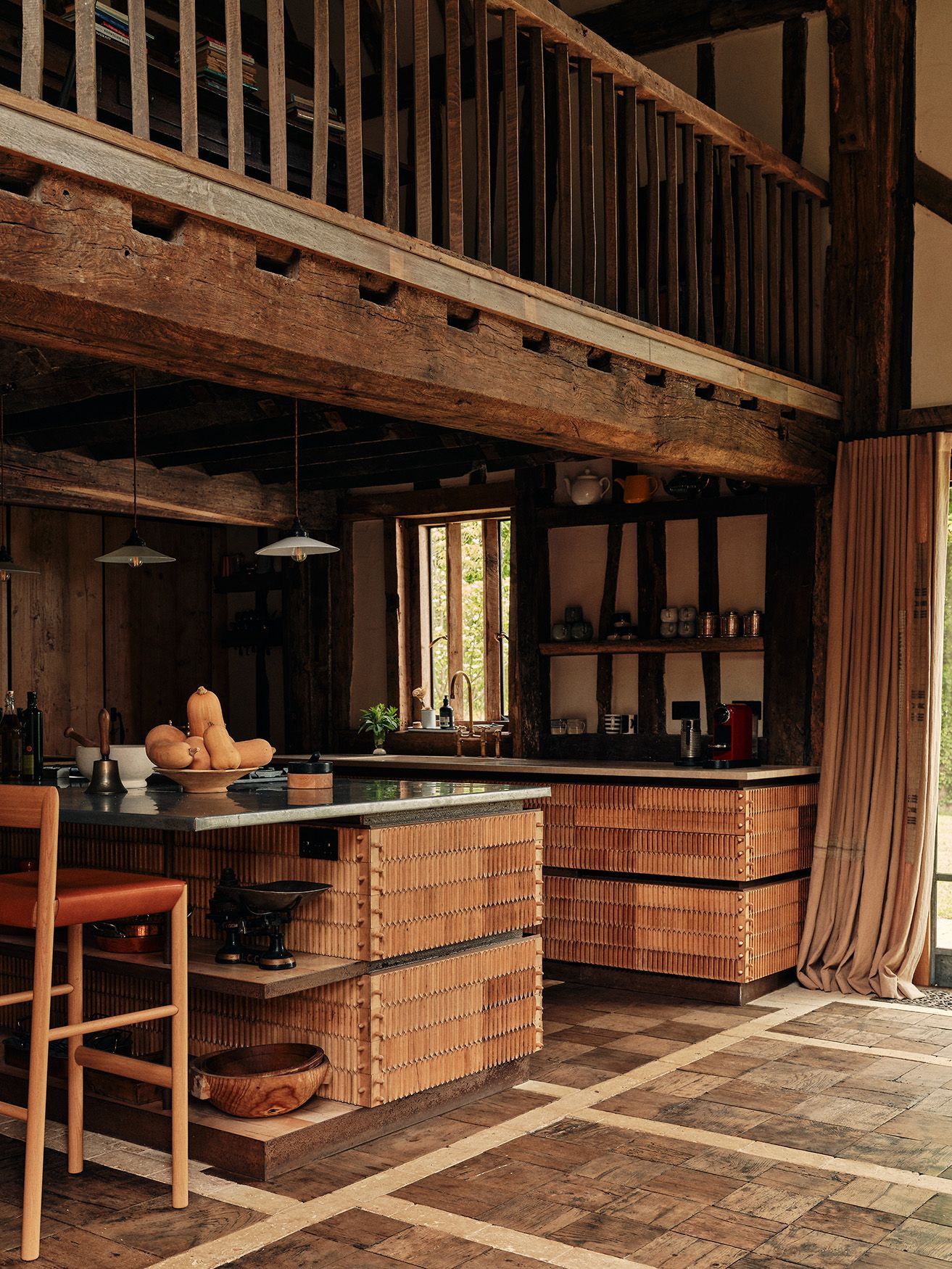
By this point, of course, they knew who to call to transform the old barn into the heart of the house. For a family of passionate cooks, this could mean only the kitchen (the old kitchen, at the other end of the house, became their new pool room). ‘The only thing we told Maria was that we needed enough space for six people to cook at the same time,’ says the owner. ‘Otherwise, we trusted her completely, because we already loved what she’d done here.’
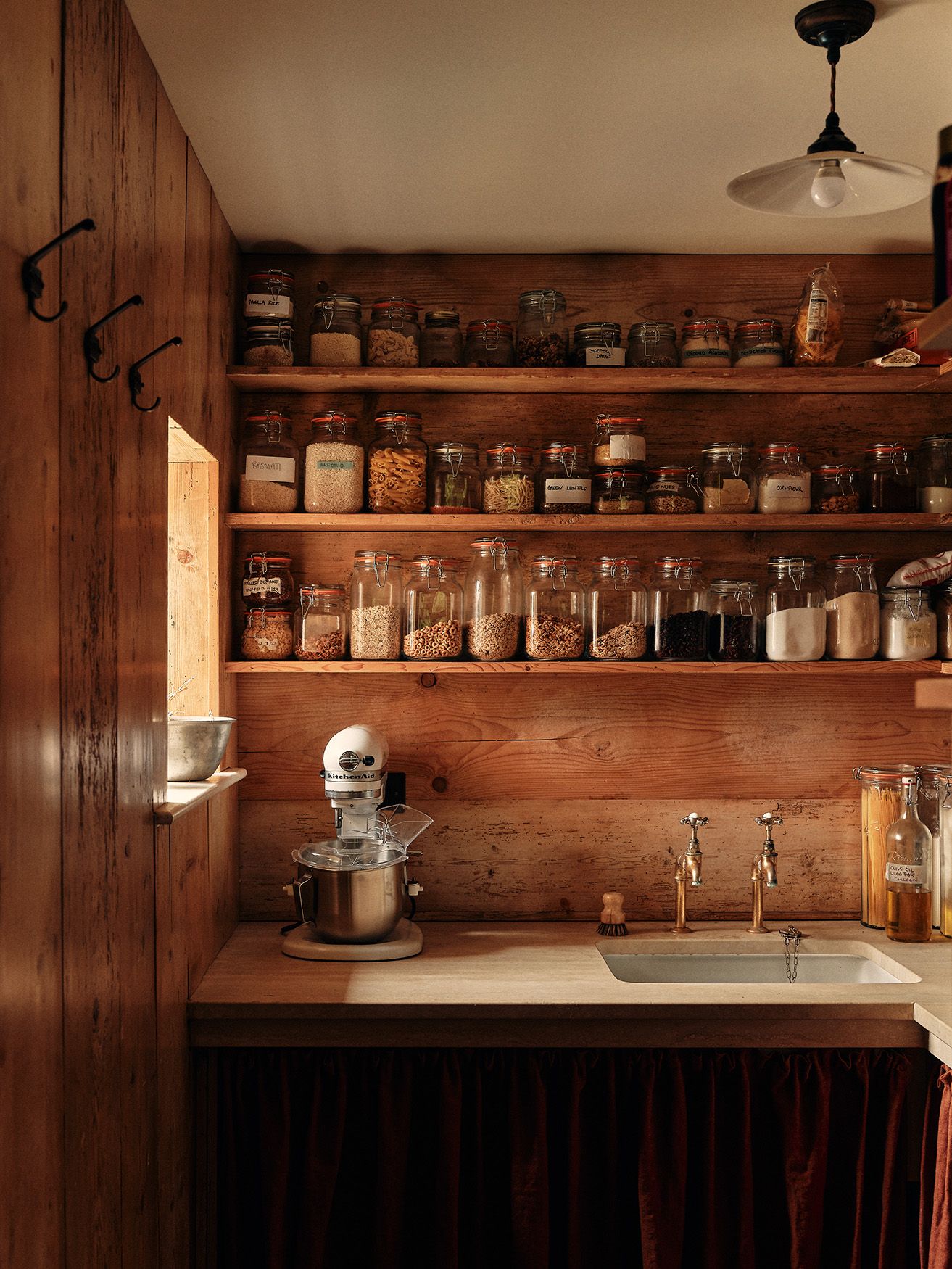
Locating the kitchen area proper under the barn’s gallery, Maria and her team covered store cupboards and fridges with reclaimed Dutch pine cheese boards still bearing the marks from wheels of cheese, while old beech cigar moulds create delightfully tactile cupboard-front panelling. The zinc-wrapped work surfaces already bear witness to much culinary activity – and a margarita- fuelled hen party. ‘I love that the counter starts to have a memory of your cooking habits,’ the owner says. ‘It’s like wrinkles.’
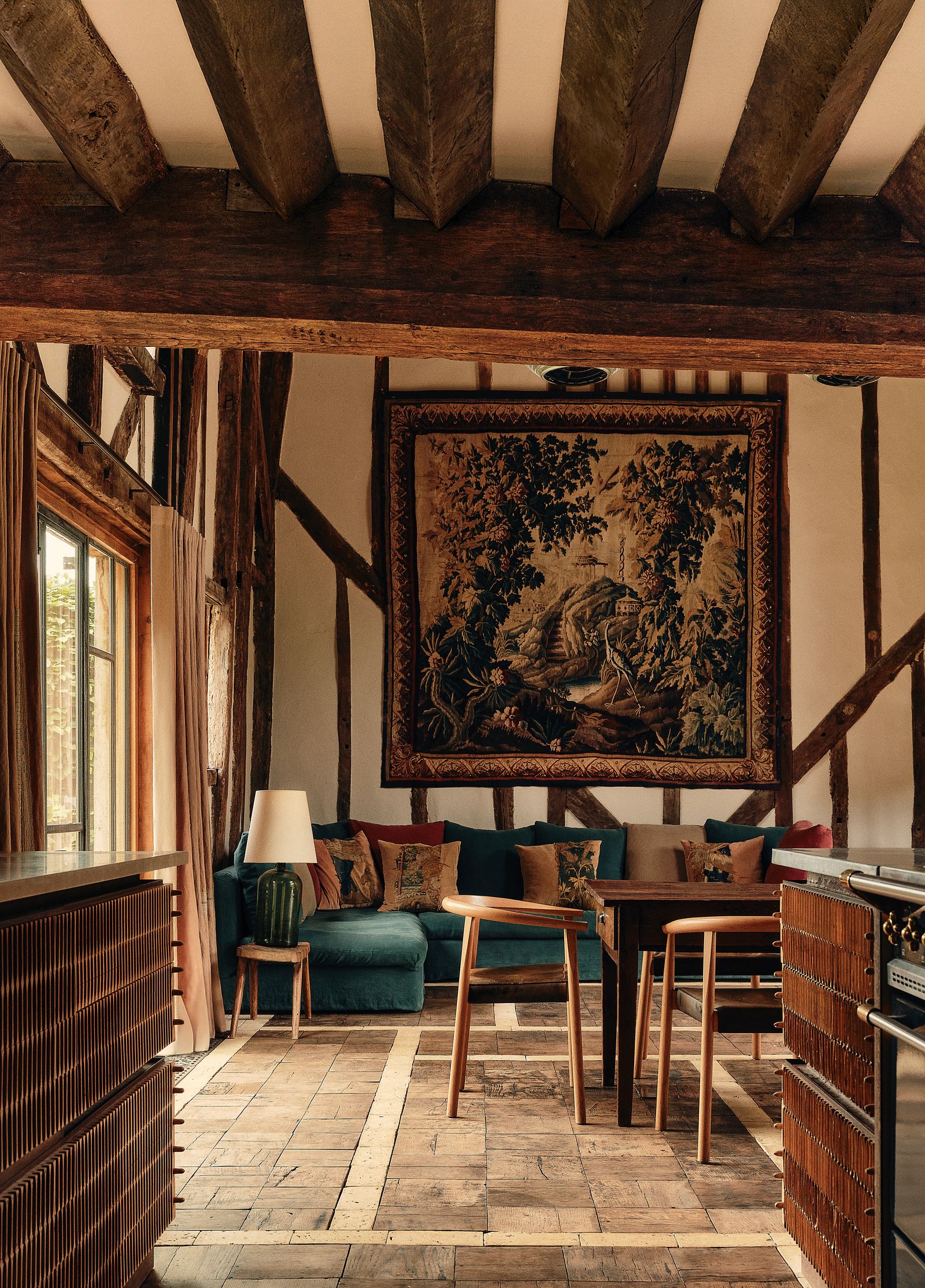
Before all this could be fitted, however, there was the daunting task of removing and replacing the barn’s roof; insulating it from the outside ensured the timber frame of the interior was uncom- promised. Maria’s next challenge was what to lay over the newly installed underfloor heating system. ‘You can’t just put down big, old, wide wooden boards, as the timber can be unpredictable and might move due to temperature or moisture changes,’ she explains. ‘And I did not want more Suffolk brick.’
The answer was found in nearby Framlingham, where the church is known for the 16th-century tombs made for the Howard family. But it was the central aisle’s 19th-century floor of timber squares imitating clay pamments that Maria thought was ‘fantastic’. Following this example, she and the Retrouvius team found a collection of old oak floorboards at a local salvage yard, and had them cut into squares and arranged into sections according to size. A limited number of Suffolk bricks, halved, were used to create elegant borders.

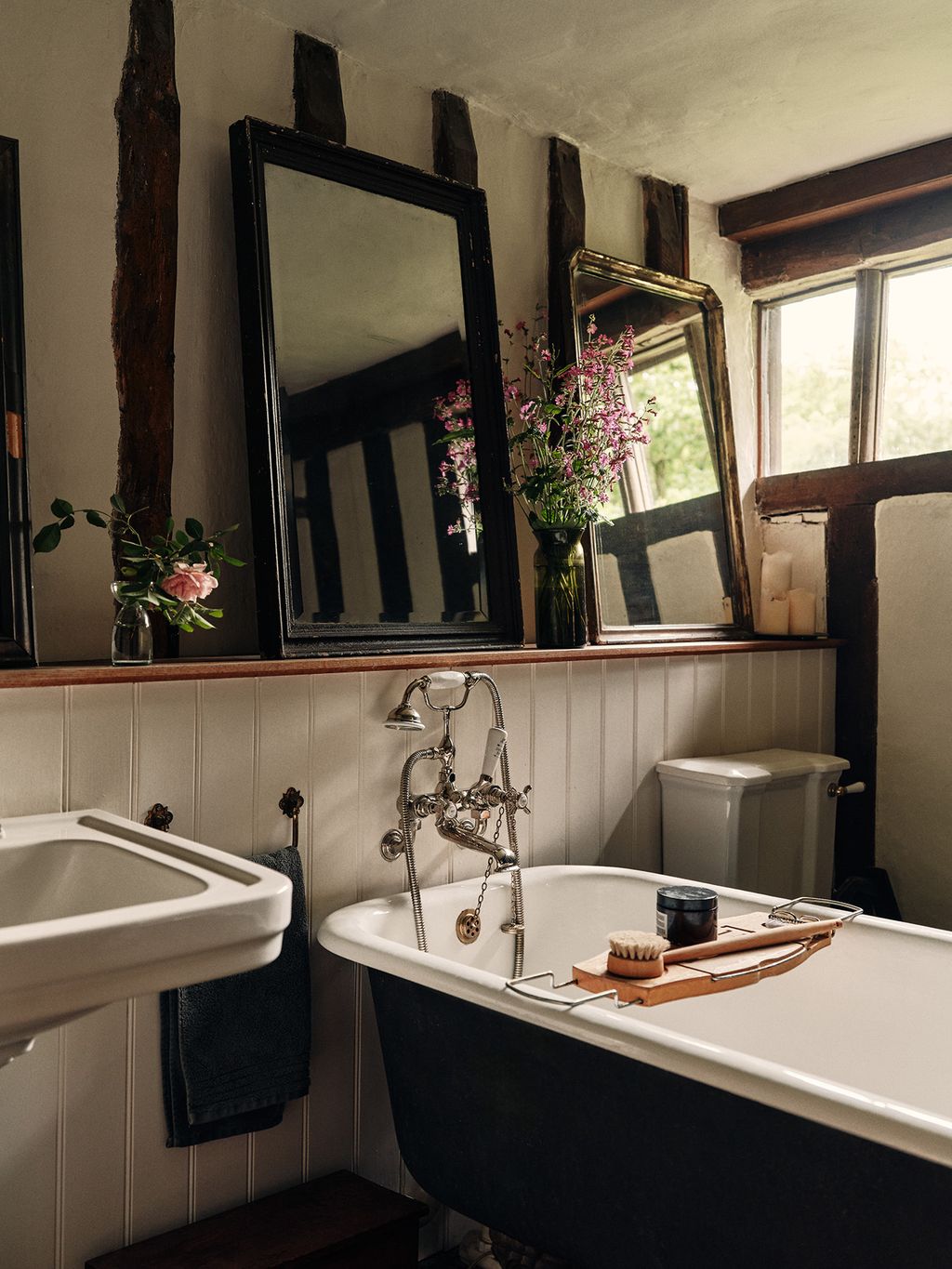
At the room’s edge, reclaimed iron church grilles – a nod to the site’s ecclesiastical past – create a transitional area between the wood floor and Crittall-style french windows opening onto the garden. (The old barn doors were recycled elsewhere in the house, with one now acting as a shower back in a new attic bathroom.)
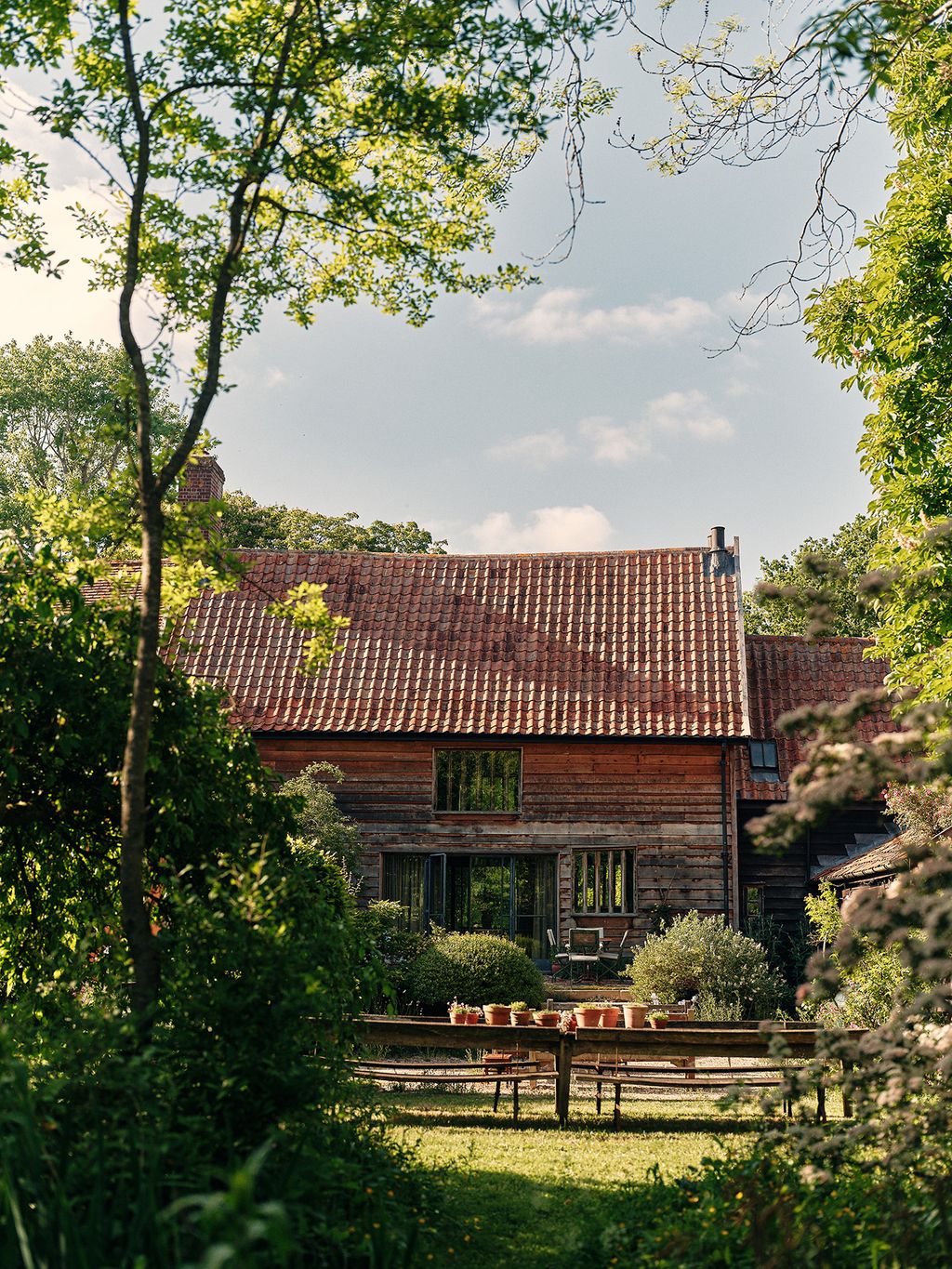
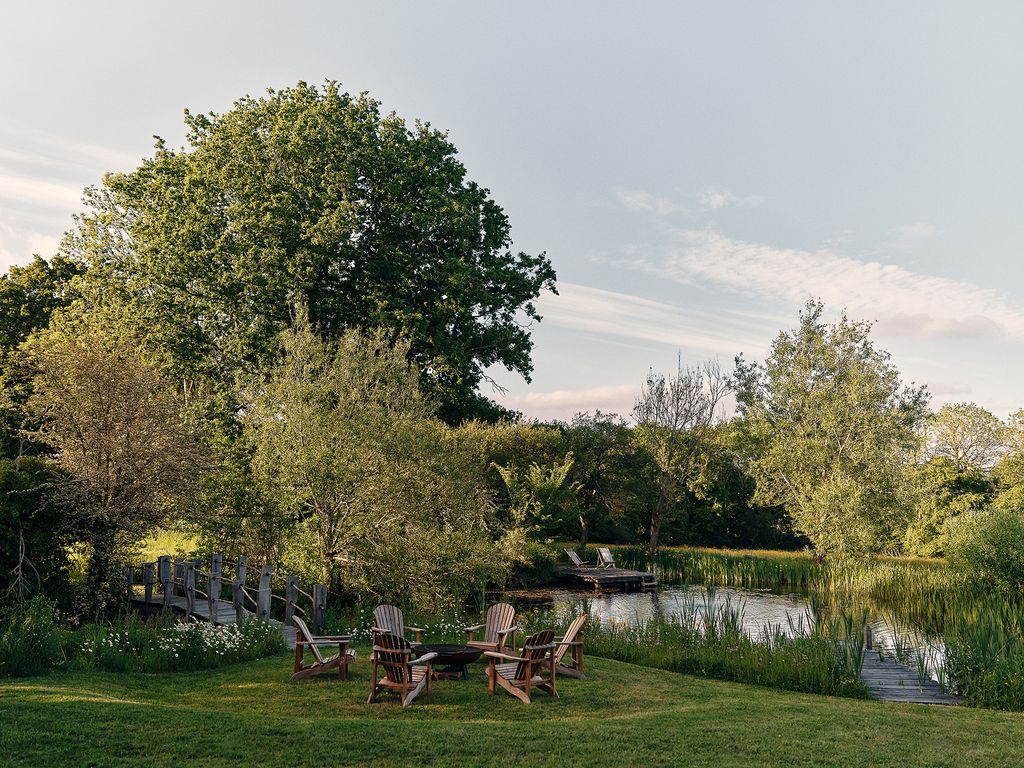
In the garden, topiary, pleached crab apples and borders of iris and lupins look like they grew up with the house, but they are the recent work of designer Arne Maynard, from whom the owners enlisted help when they brought in Retrouvius. One of the first things he did was to reroute the driveway away from the house, so that the building now sits properly in its bucolic setting. What the owners did not know when they contacted Arne was that he, too, had been here before: he and his partner had once tried to buy the house and lost it. He still had the plans he had drawn up for the garden. It is often said that houses choose their owners; this one seems to have chosen its whole design team, too.
retrouvius.com
This is one of the houses featured in ‘Retrouvius: Contemporary Salvage – Designing Homes from a Philosophy of Re-Use’ by Maria Speake (Rizzoli, £50).
 Tom Griffiths1/10
 Tom Griffiths2/10
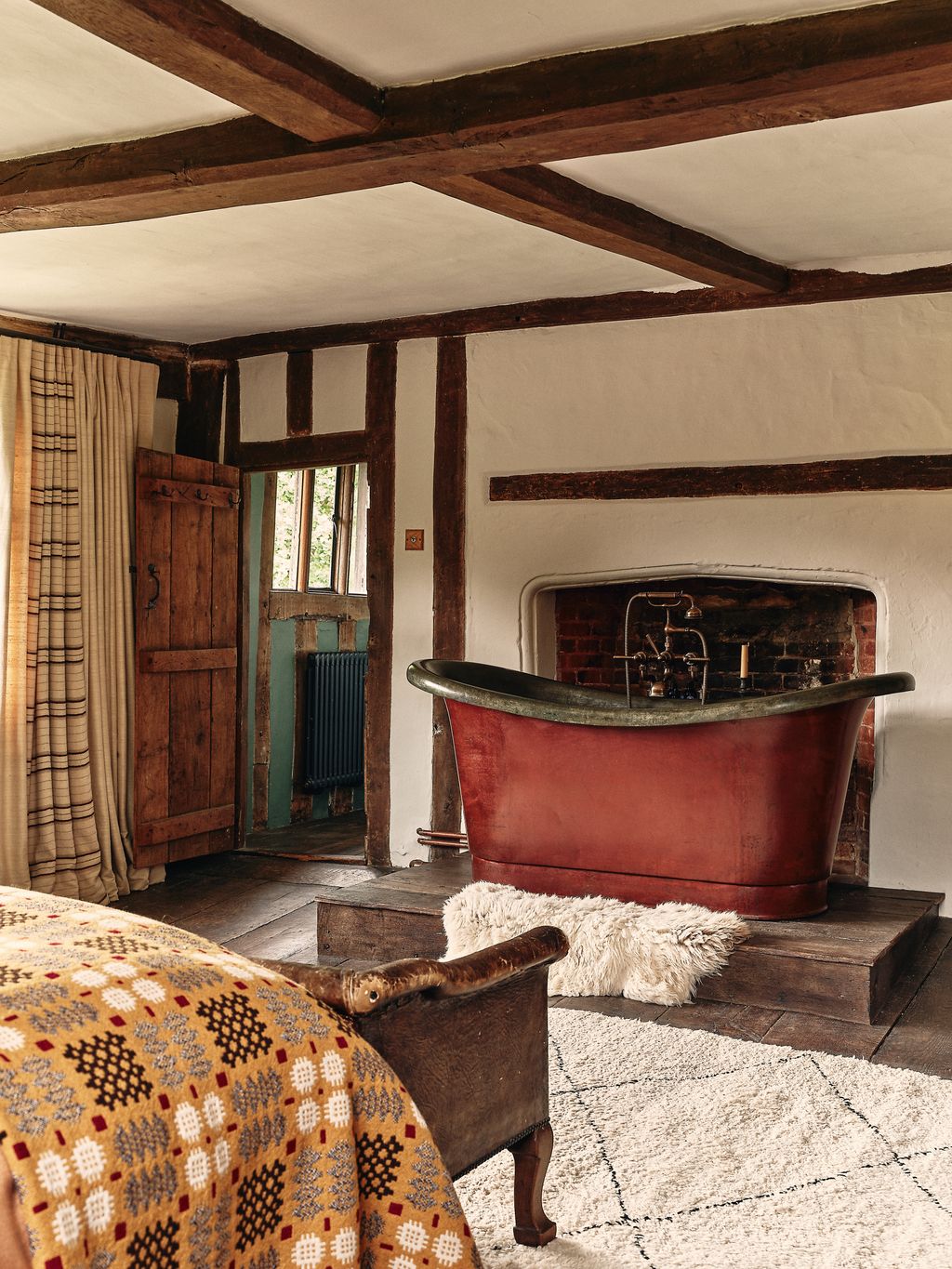
In the spare room, a vintage Welsh blanket on the bed picks up on curtains featuring 1940s striped silk panels on a new silk background.
 Tom Griffiths3/10
A restored antique leather sofa stands on a Berber rug opposite a bathtub from The Water Monopoly
 Tom Griffiths4/10
The original wide oak floorboards are softened by a vintage rug from Larusi


 Tom Griffiths5/10
The bed in the main bedroom is a copy of a medieval design made from reclaimed oak. Above it hangs an antique Greek canvas hanging with wool embroidery. The bedcover is a vintage hemp sheet with a fragment of an 18th-century tapestry stitched onto it. A black Anglepoise lamp stands on an old wooden table from Ardingly Antiques Fair.
 Tom Griffiths6/10
 Tom Griffiths7/10
 Tom Griffiths8/10


 Tom Griffiths9/10
 Tom Griffiths10/10


