A once-in-a-lifetime journey to the incredible landscapes and communities of Peru
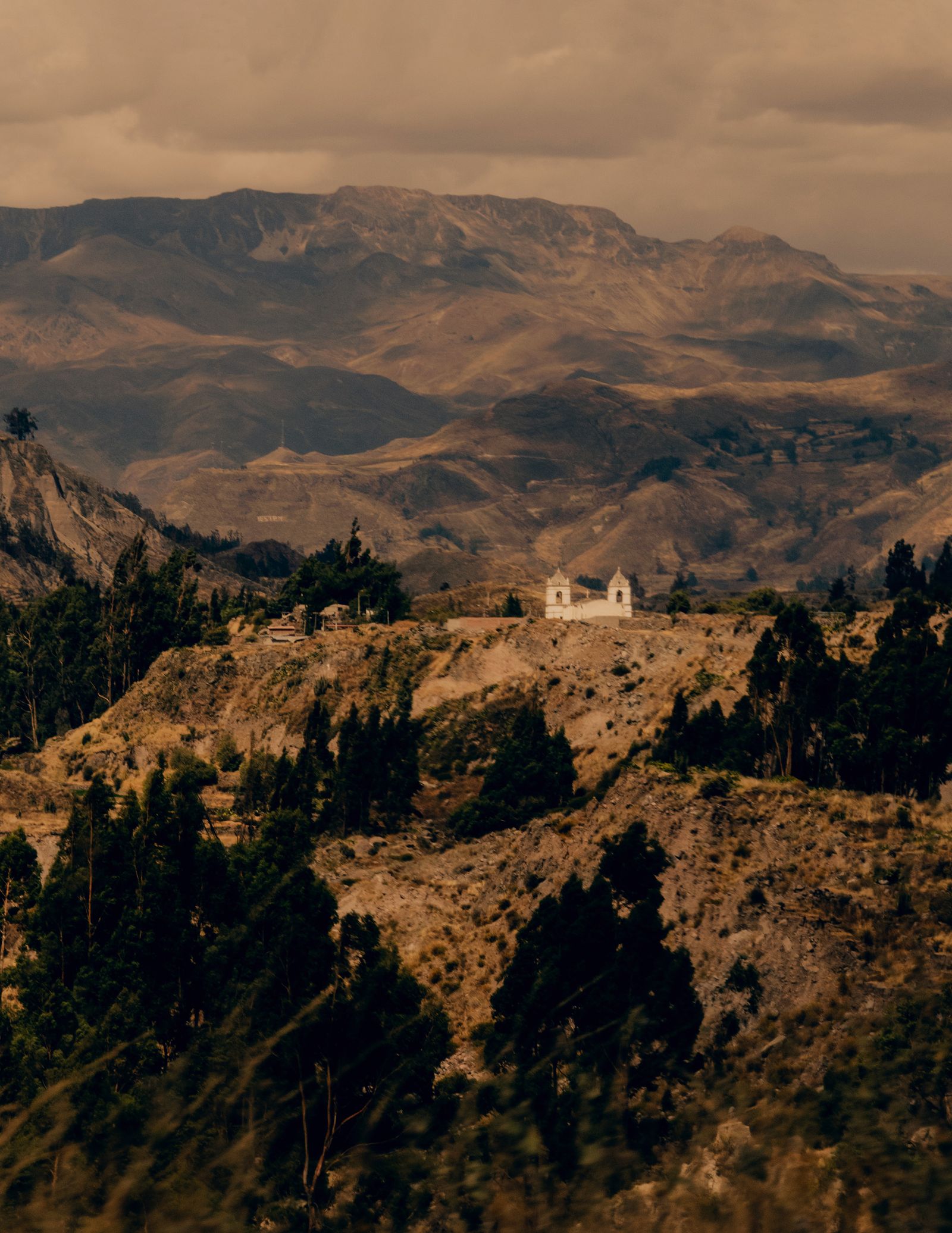
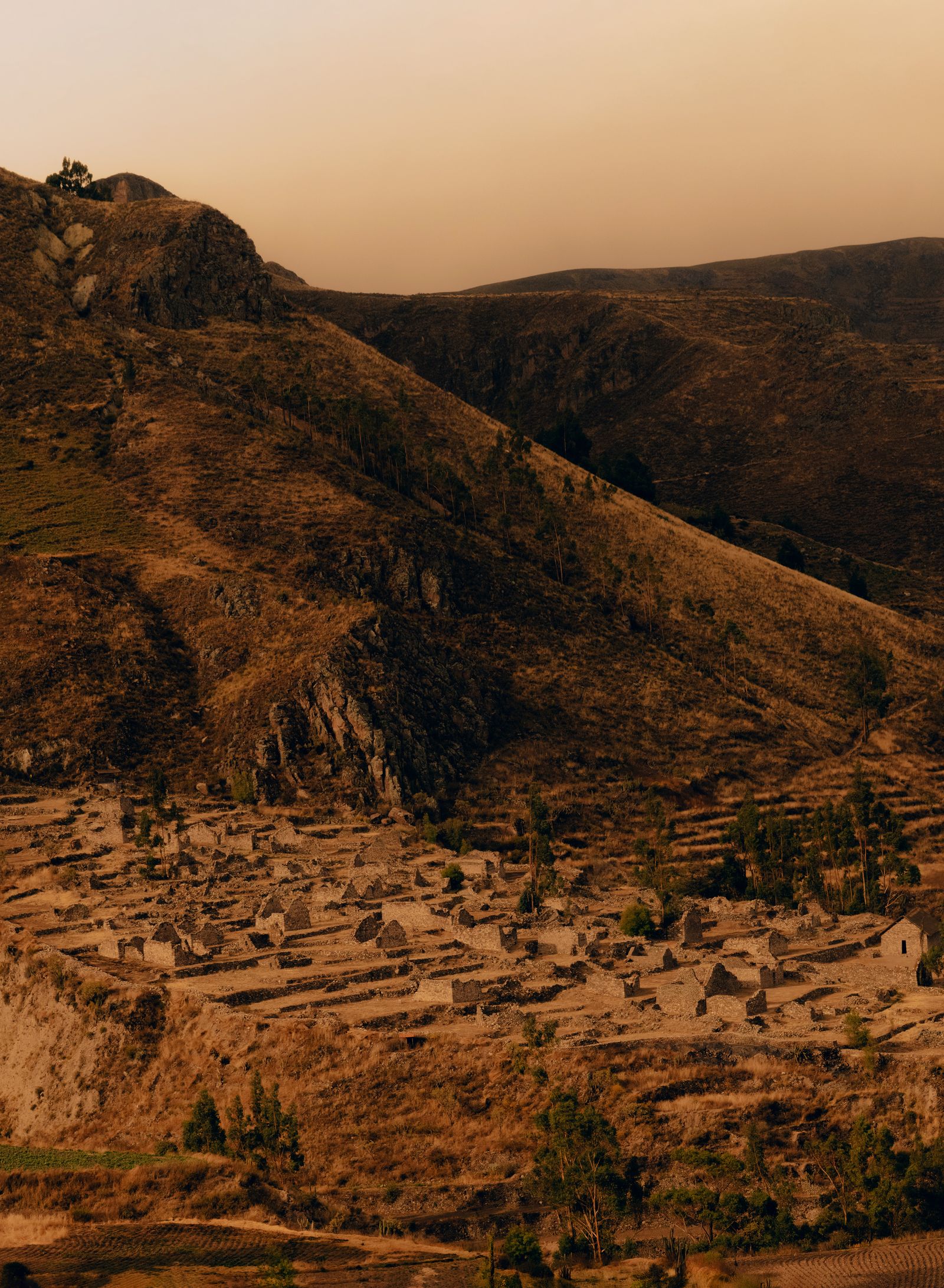
A steep ascent and sharp bend around the valley brought the terraces of Uyo Uyo into view, as the sky softened into dusk. Orange-rimmed clouds hovered over a complex of pre-Inca stone ruins that cascaded towards the Colca River, a settlement that far pre-dates Machu Picchu and was emptied by the arrival of the Spanish some 500 years ago. As we moved closer along the trail, dodging swarms of prickly cacti crowned with their magenta fruit, curious echoes of song and chanting grew louder, breaking over the thin mountain air.
Following the sound, I crossed dried-up fields of potatoes that crunched under my feet and climbed into a deep, empty irrigation pond. Crashing a party was the last encounter I expected while hiking some 4,000 metres into the clouds in the untamed, rural Colca Valley region of southern Peru. But there they were, over 100 locals gathered here in their best dresses, swaying jugs of chicha (homemade corn beer) and shots of pisco straight from leather flasks across their shoulders.

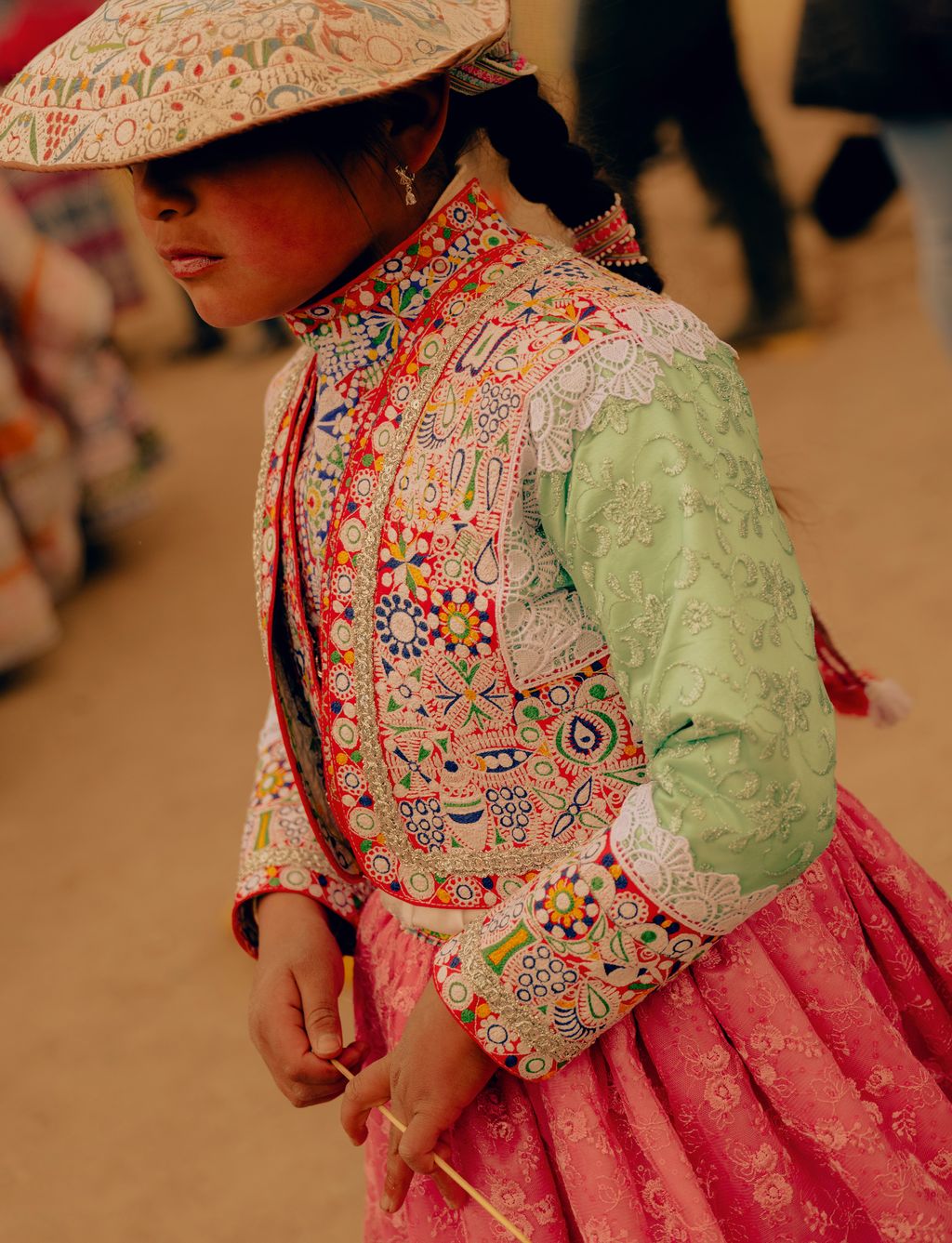
A band of trumpeters and drummers set our rhythm as we joined hands and formed circles, moving in quick steps across the dirt floor. I was painfully underdressed against the pink and green sequined, twirling pollera skirts of my fellow dancers, but was welcomed anyway. It was a symphony of colour and scent, of union and life, as familiar faces grinned at each other, arms over shoulders, and passed around drinks.
Celebrations like these are the glue of communities in the south, as I was to discover on my passage through this lesser-travelled region of Peru. And this certainly wouldn’t be my last party over the next few days. While many visitors reduce Peru to Machu Picchu and Cusco, creating overtourism and environmental stresses in these areas, our journey dug deeper into Incan history and sacred traditions like these across empty landscapes we had to ourselves. Such was the vision of Ignacio Masias, who hails from the Andes, when he set up the travel company Andean in 2006, plotting boutique hotels and luxury tented camps right onto the landscape across the remote south – from Arequipa to Lake Titicaca.
Later that evening, lying in my tent at Puqio – Peru’s first tented camp, which Masias established in 2023 – I could hear the roars of trumpets and singing across the valley into the early morning. Peruvians may take their celebrations seriously, but even more so their Pachamama (Mother Earth). This goddess presides over all elements of life in the Andes – from the mountains to the river, to planting and harvesting and the frequent earthquakes that rumble the ground when she’s triggered. When the nearest volcano, Sabancaya, stops spewing smoke for a few days, locals clock that an uproar is near.

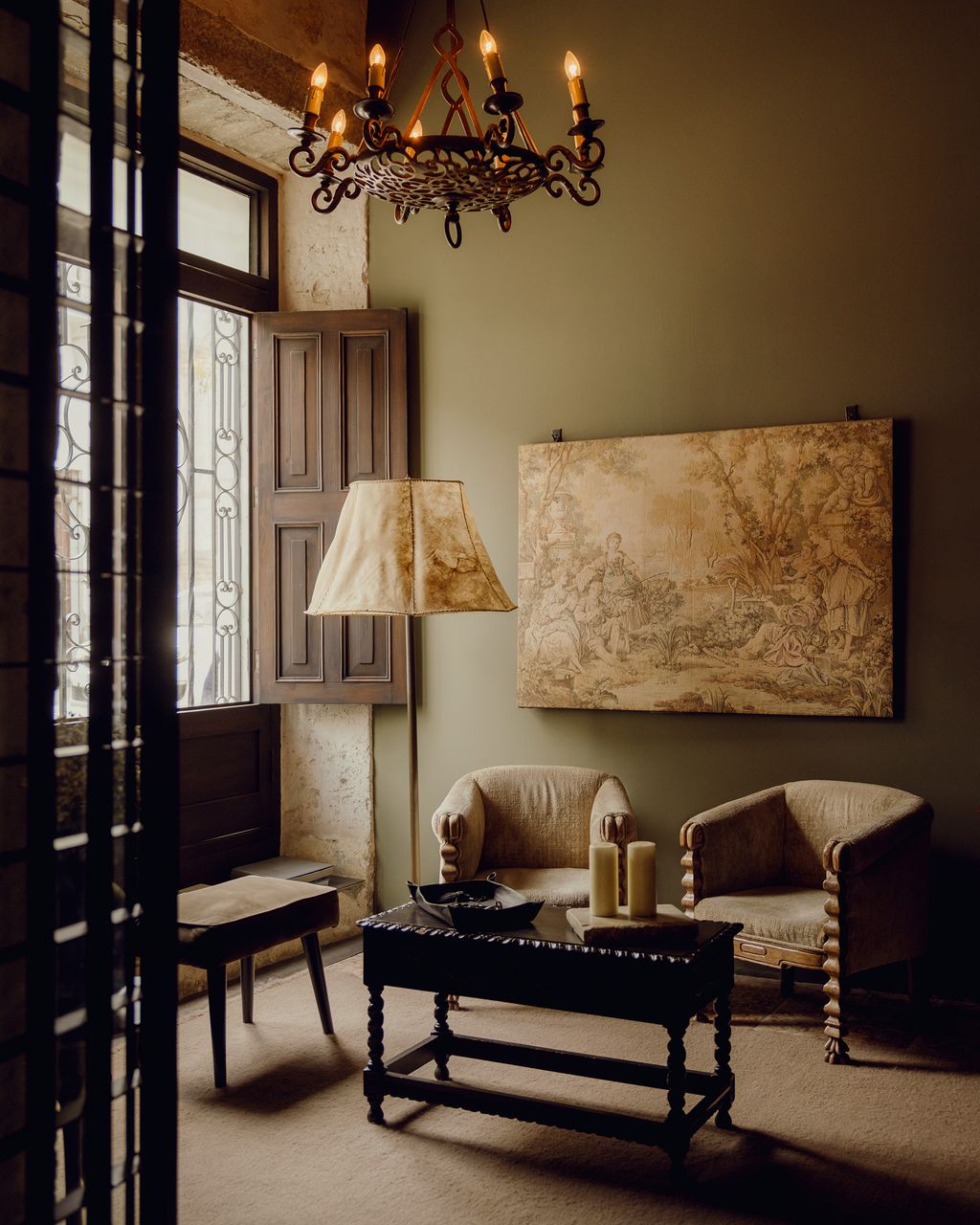
We kicked off our 10-day journey in Arequipa, staying at Andean’s Cirqa hotel, which is carved out of a restored 16th-century monastery and scented by neat piles of palo santo (holy wood). Having acclimatised to the altitude, we set off for the Colca Valley to see the 90-kilometre-long canyon that drops more than 4,000 metres, making it the second deepest in the world. Puqio has front row views over this mesmerising landscape – in parts golden, with its sweep of long Inca grasses, and in others gripping, with immense boulders barely hanging onto the cliff’s edge.
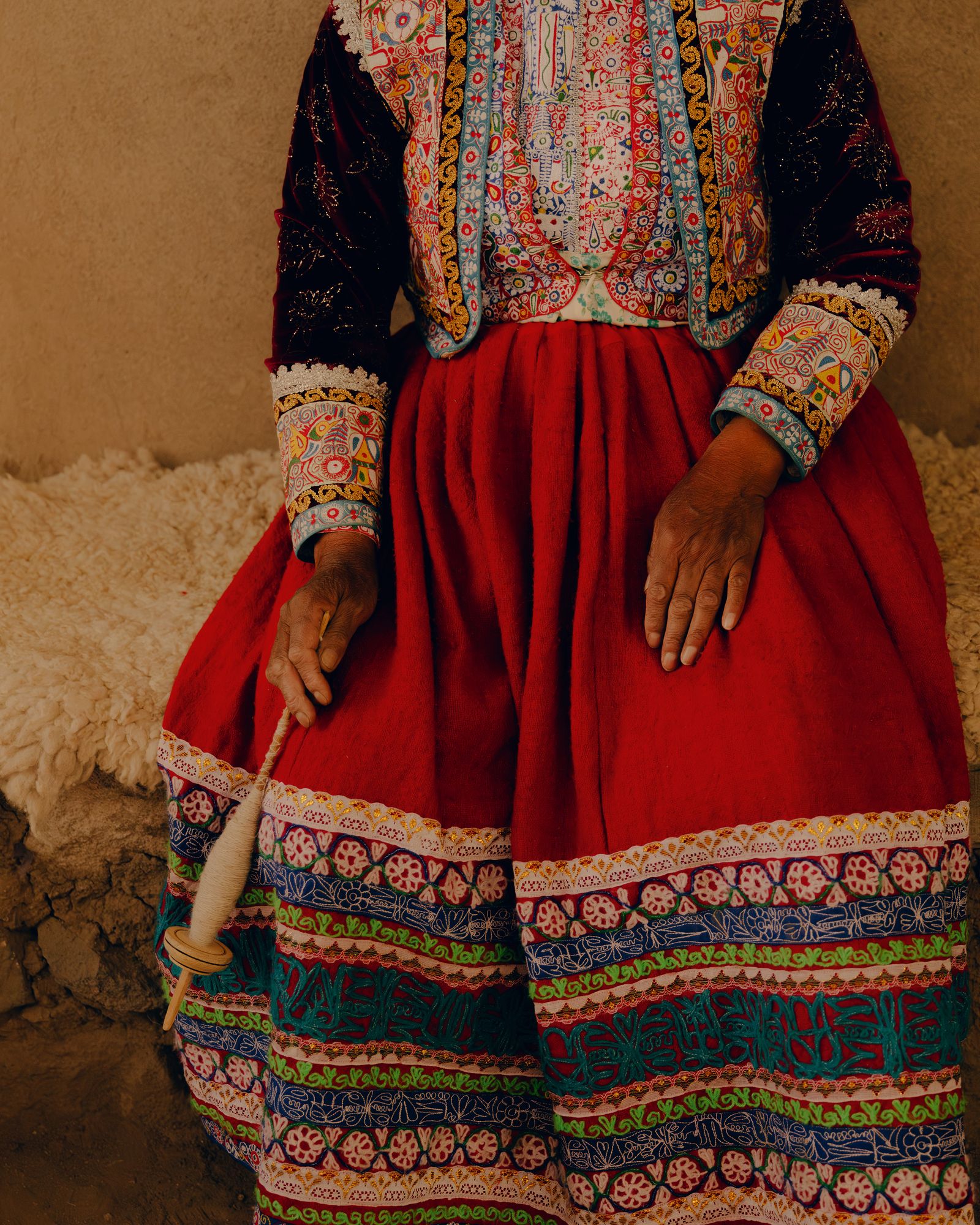
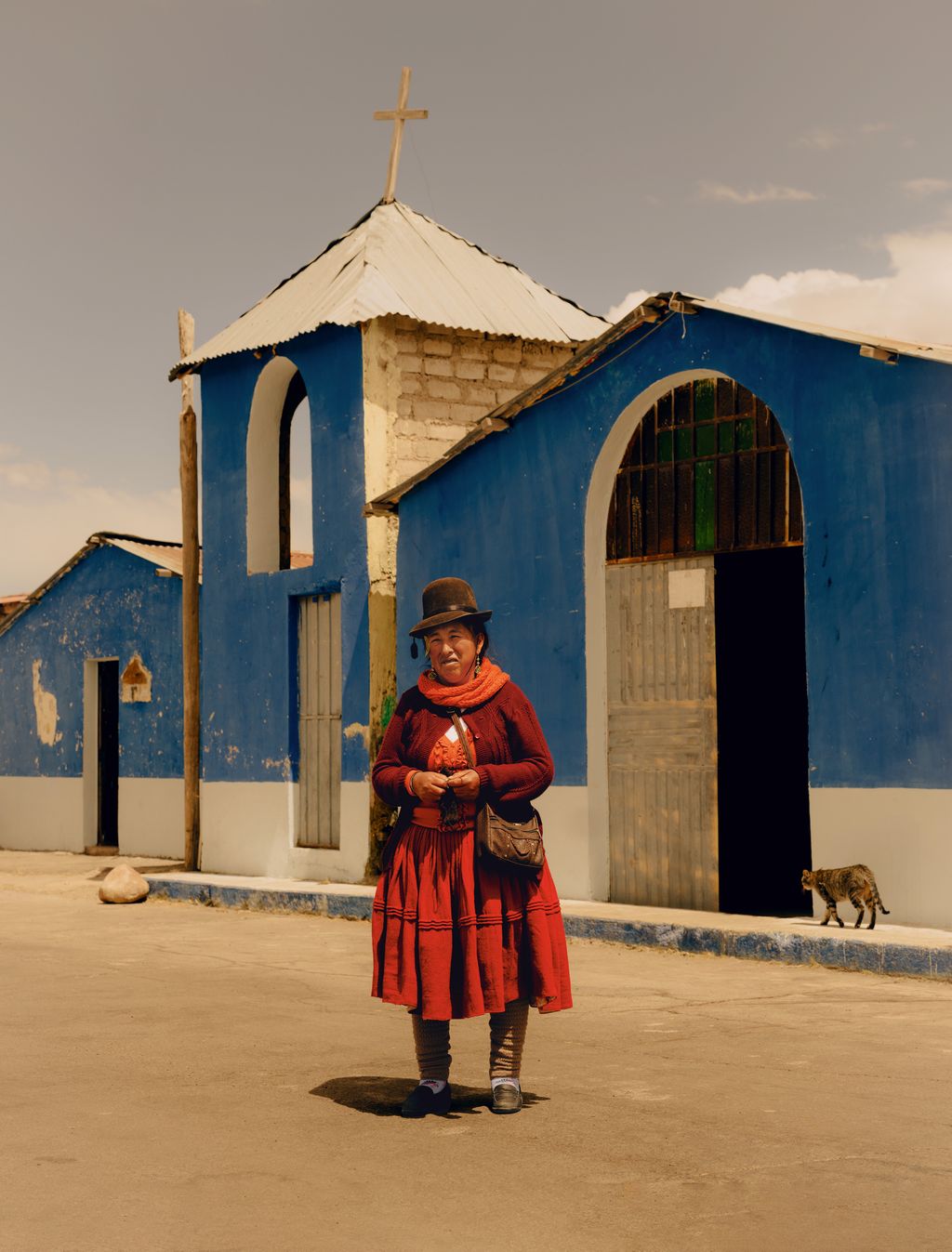
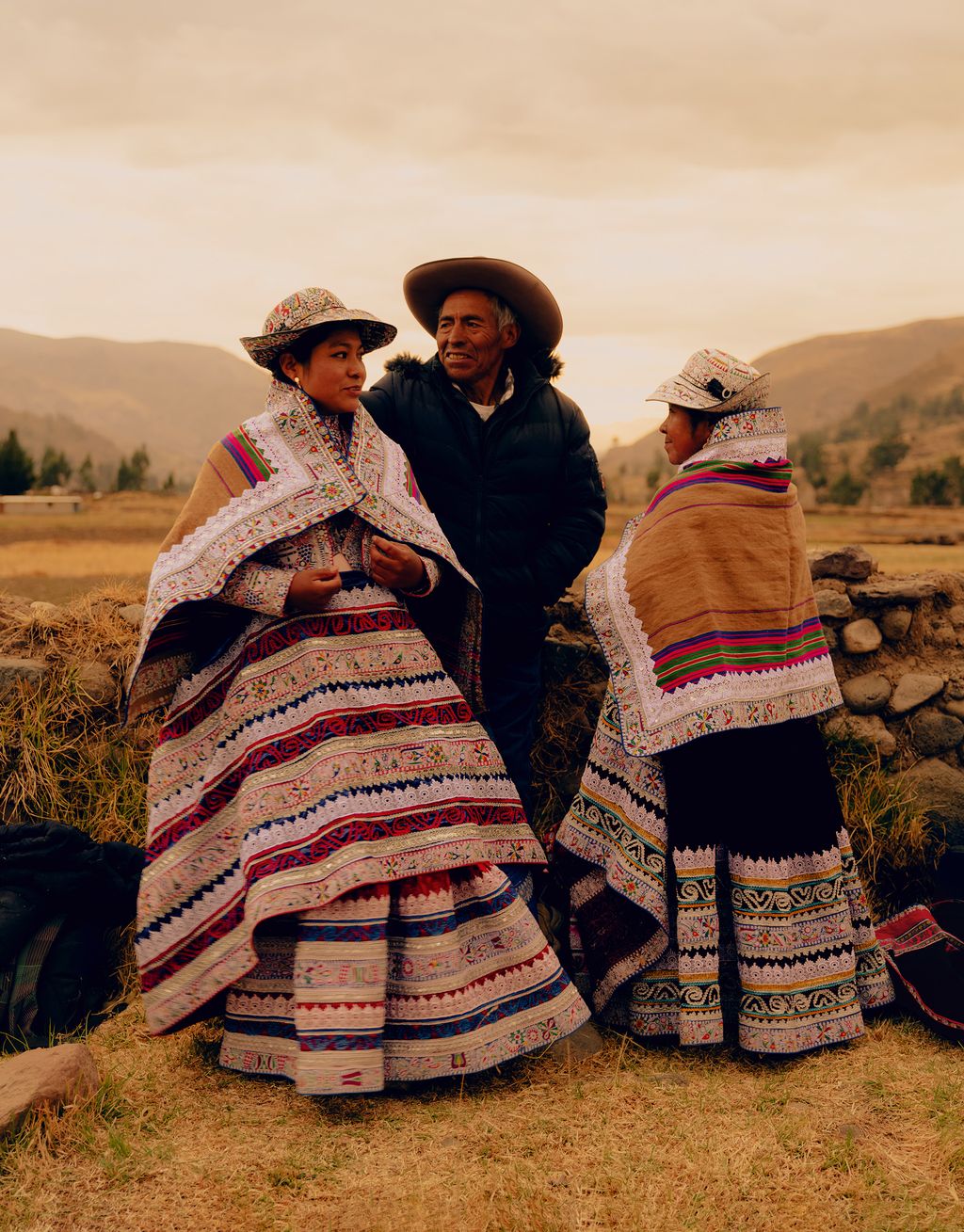
However spectacular a plan one sets out for these kinds of journeys, it’s always the spontaneous, in-between moments that colour our memories. Countless times we jumped out of the car to meet squads of knitting ladies on the side of the road, layered in alpaca cardigans and wide crimson skirts that brushed the concrete, with healing coca leaves stuck on their faces. (This shrub is Pachamama’s answer to all ailments.)
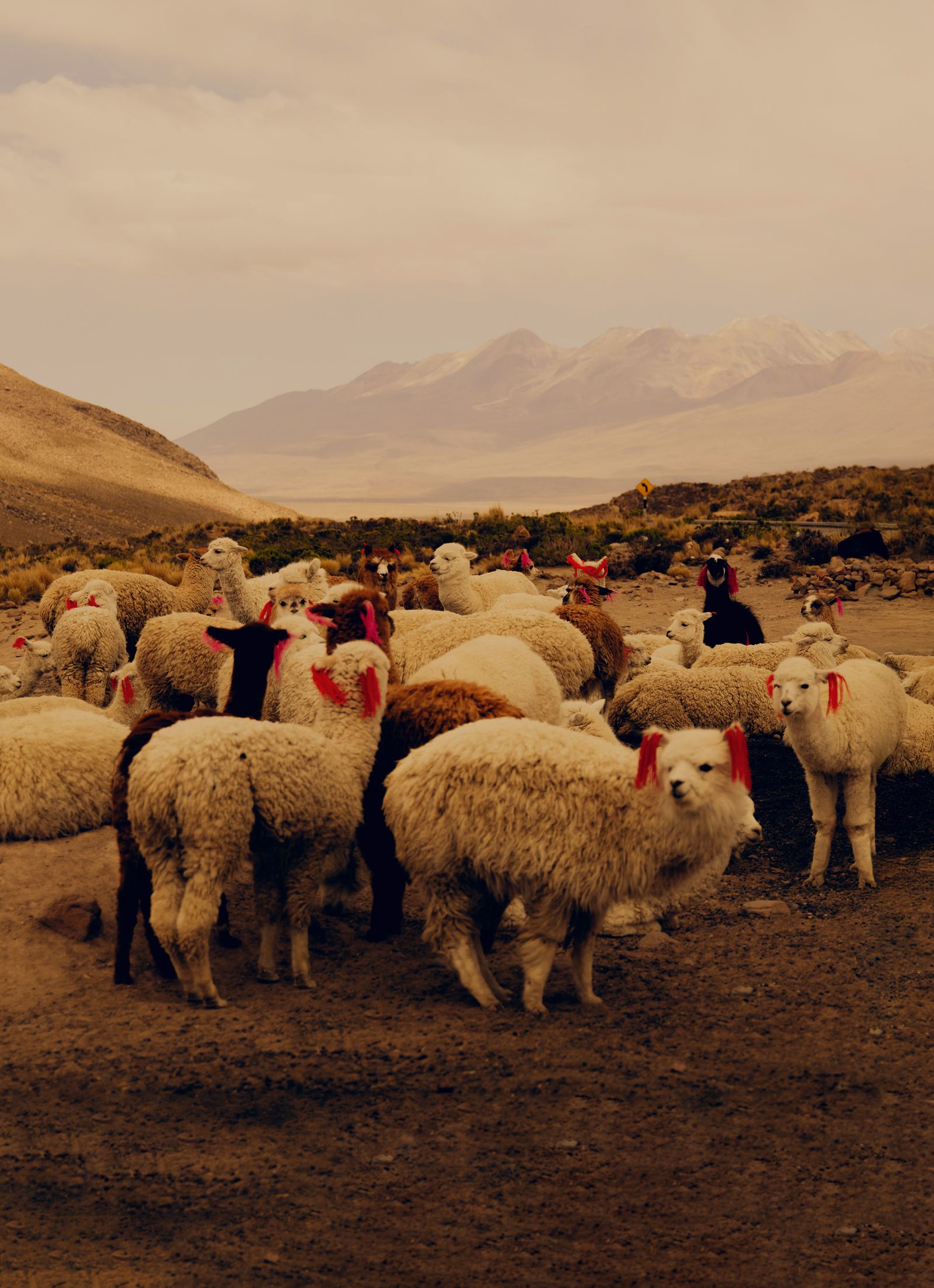
Mossy, hunchbacked hills gave way to salt flats dotted with wild vicuñas, kicking up puffs of dust as clouds rushed across the sky, casting stripes of light on the landscape. Once the vicuñas had vanished and the terrain changed to desert pink higher up the mountain, hundreds of alpacas appeared on their afternoon walk, their ears braided with red and pink wool tassels. Their owner tells me that they are dressed for a party taking place the next day.
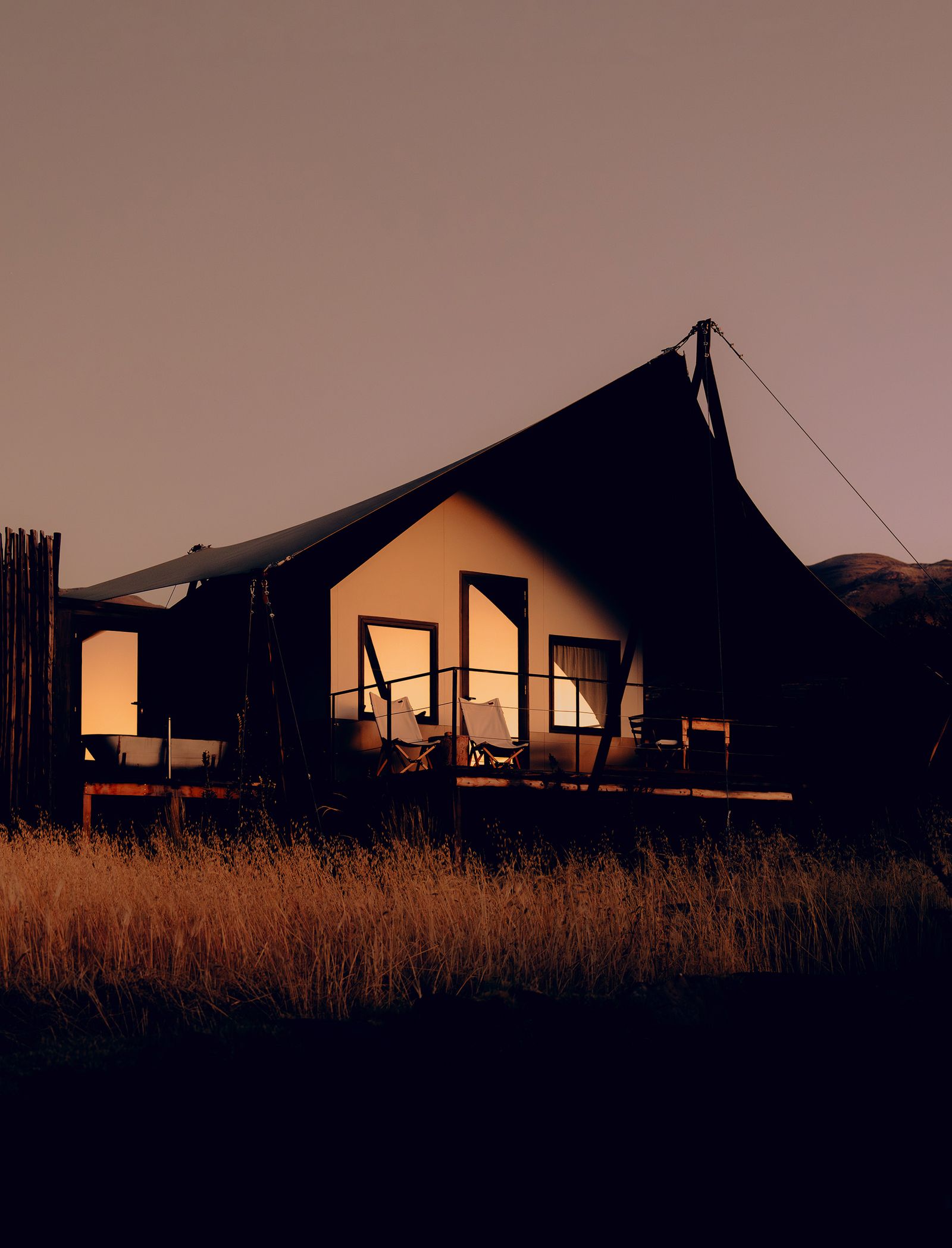
Andean’s new tented camp, Tinajani, would soon bring me to another party. The canyons around our tents changed from spiky black rock to red sandstone towers, rising human-like out of the earth and drawing to mind the figures of Easter Island. Gulls flew in a constant stream out of caves in the rock face, soaring so near our heads we could hear the slow clap of their wings. Some 10,000 years ago, this would have all been submerged under water, and today it feels like a mystery we should never have been able to see.
Ayaviri, the nearest village to Tinajani, was geared up for a fiesta celebrating the Virgin de la Natividad (the birth of the Virgin Mary). Christianity has been practised here alongside Pachamama since the Spanish conquest in the 15th century, which enforced these beliefs on the Inca people. Elaborate churches, built of local pinkish-white volcanic stone in a distinct Andean baroque style, dress almost every town square.
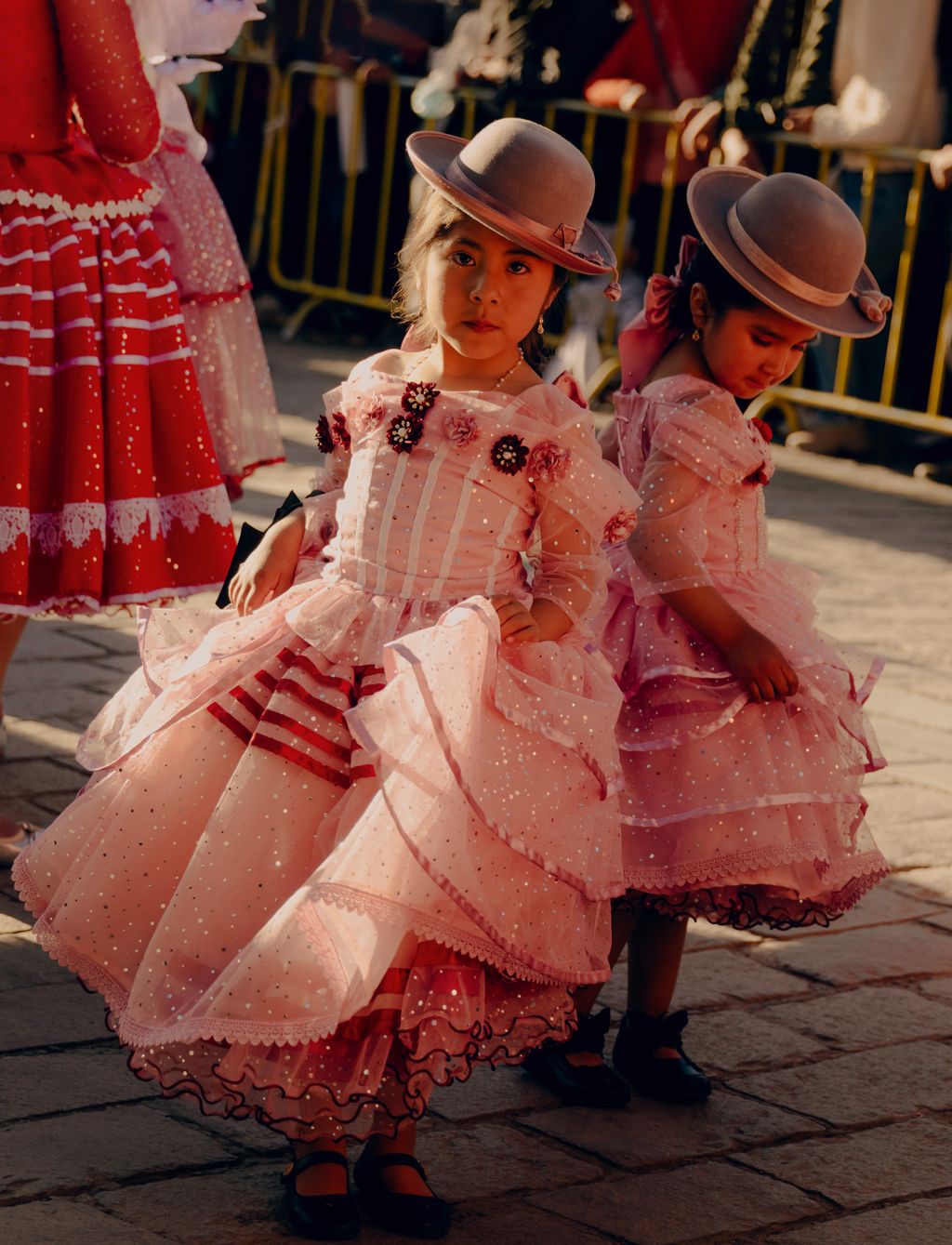
Plastic crates of beer were stacked on every street corner as merry, made-up locals poured onto the streets to watch the parade. A marching band charged down the street – the party was on. The first ensemble broke out into the caporales, a traditional Bolivian dance from La Paz, swinging in a harmony of lime green, sequined satin miniskirts that fanned out like a ballerina’s tutu. Following behind was a group dancing the morenada, another Bolivian folk dance. With shared borders, such dances are popular in the region of Puno, where there is a cultural fusion of the Altiplano.
This visual buffet was symbolic of the Peruvian outlook of life – infused with symbols and holding on tightly to rituals that are deeply rooted in their ancestry and a Peru without intervention. Every dance is of resilience and strength. Every motif on a vest or tilt of the hat is laced with meaning.
In Titicaca, the finale of our journey, montera hats worn by the Quechua people were angled in different ways to signal who is single, married, happy or serious, like a social media status update. On the way there, our driver made the sign of the cross against his chest and kissed his hands. I’ll leave my fate to Pachamama.
Ways and Means
Arta Ghanbari travelled with Scott Dunn, which specialises in tailor-made, off-the-beaten-track travel through southern Peru. It offers a 10-night holiday in Peru with Andean, from £6,180 per person, based on two nights at Atemporal in Lima, B&B, two nights at Cirqa, half board, and two nights each at Puqio, Tinajani and Titilaka on Lake Titicaca, all full board, including flights from the UK and domestic flights.
 1/12
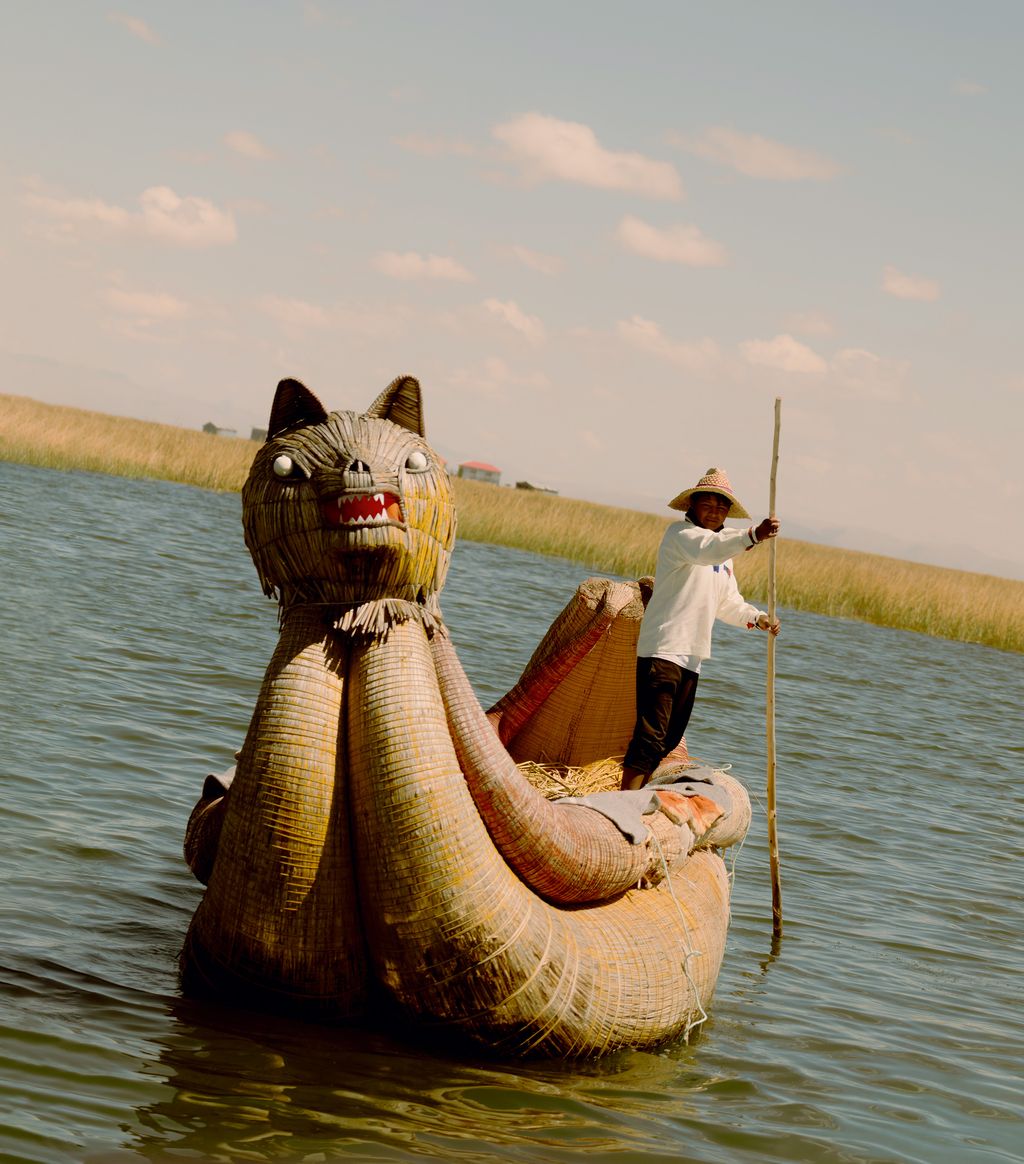
1/12Boats known as balsas, made of woven bundles of totora reeds, are a traditional form of transport used for centuries on Lake Titicaca.
 2/12
2/12Mama Eusebia, a local resident encountered on the drive from Arequipa to Puqio lodge.
 3/12
3/12Antique furnishings enhance the historic rooms at Andean’s Cirqa hotel.
 4/12
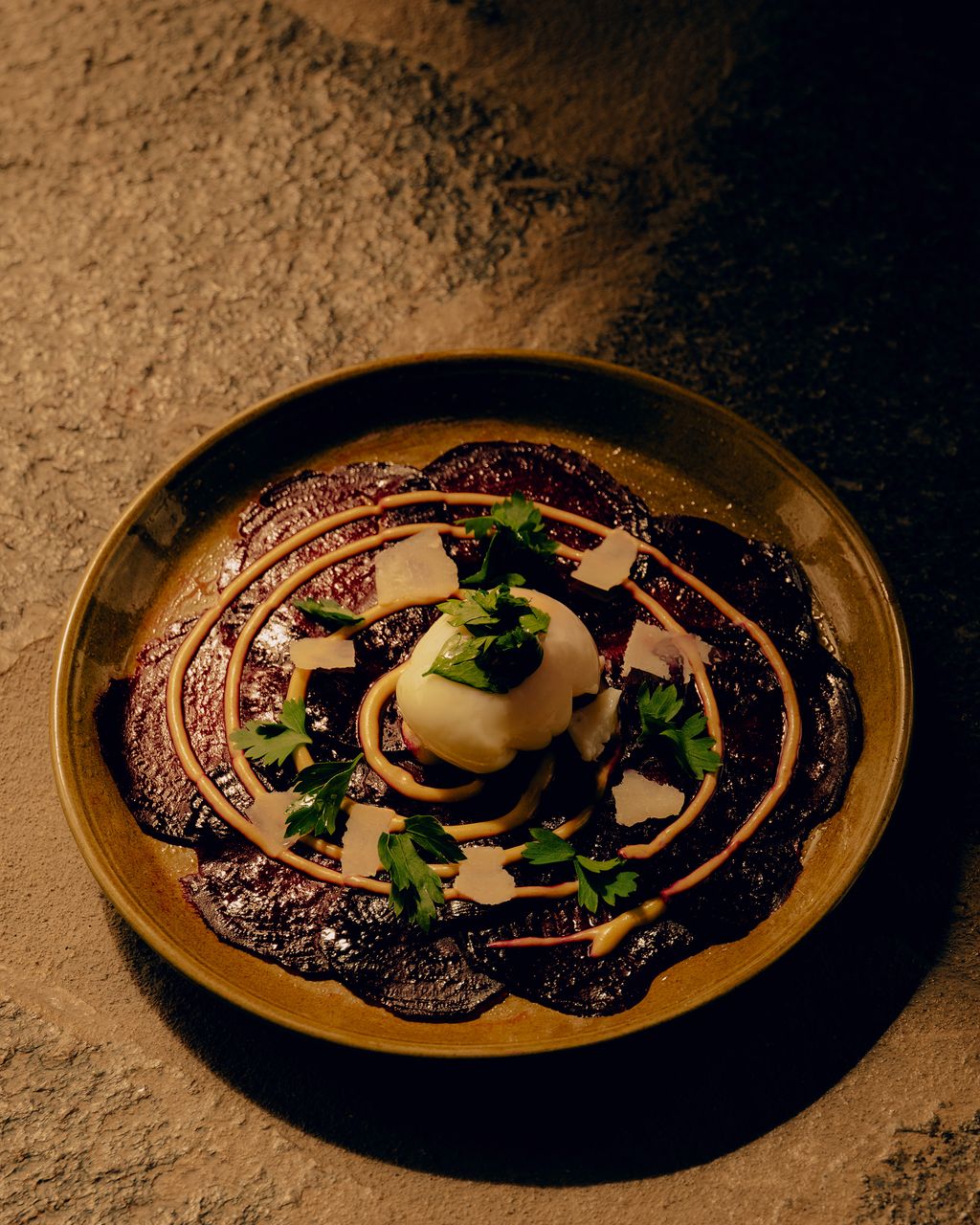
4/12Puqio provides a farm-to-table dining experience.


 5/12
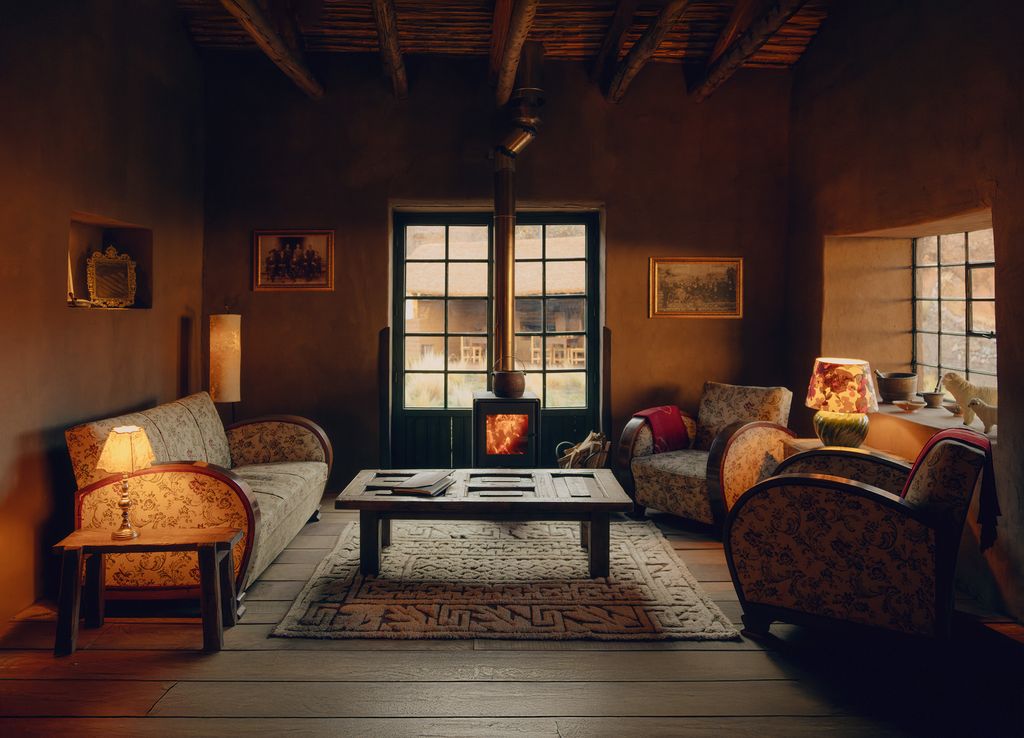
5/12An inviting living area in the main building of Tinajani, the newest lodge by Andean. Walls handmade from earth are topped with a thatched roof of bamboo and woven ichu grass, which grows in the high Andes.
 6/12
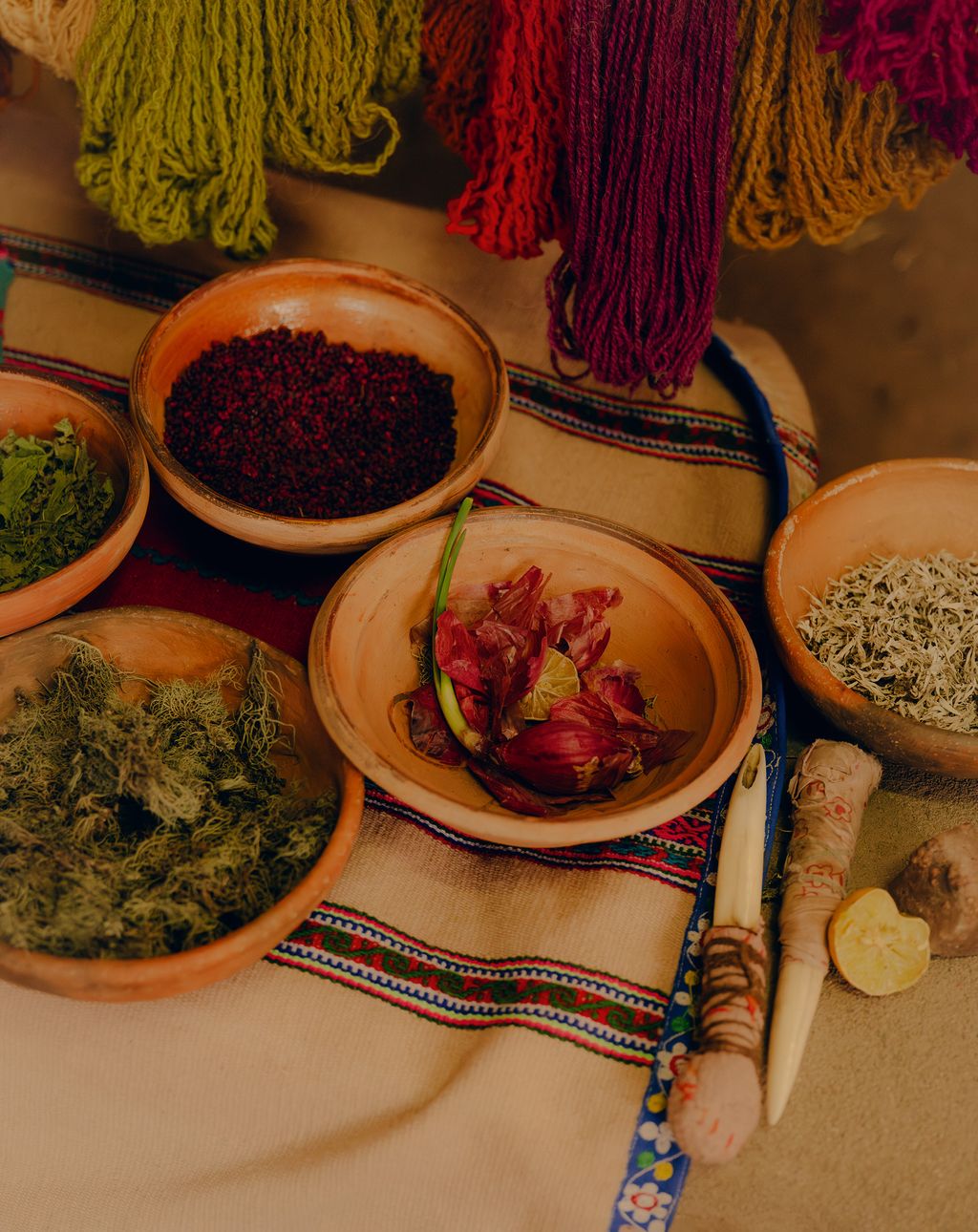
6/12Natural ingredients are used to dye yarn made from llama and sheep wool at Mama Tomasa’s workshop.
 7/12
7/12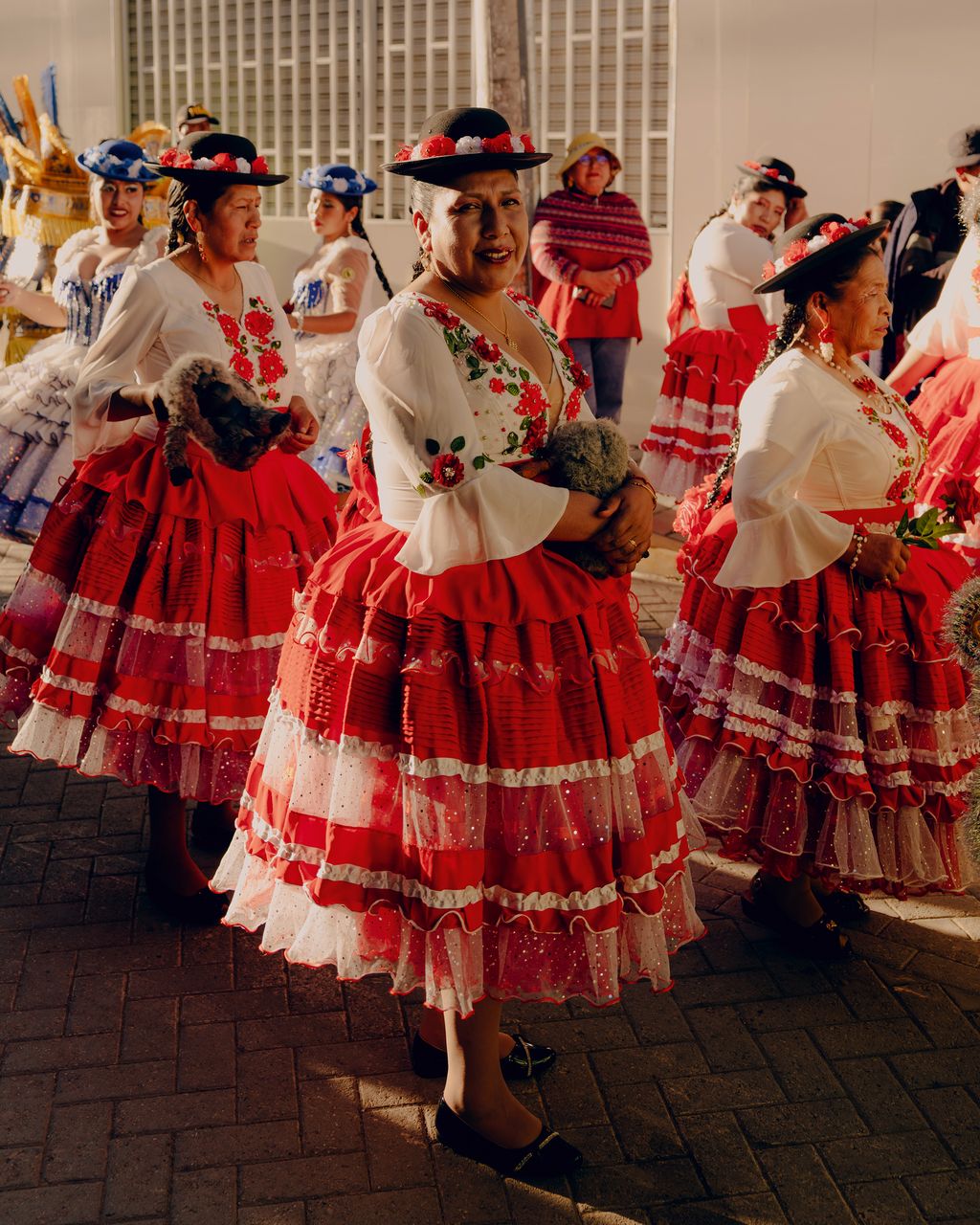 8/12
8/12Dancers at the festival celebrating the Virgin Mary, which is held in Ayaviri each September.


 9/12
9/12 10/12
10/12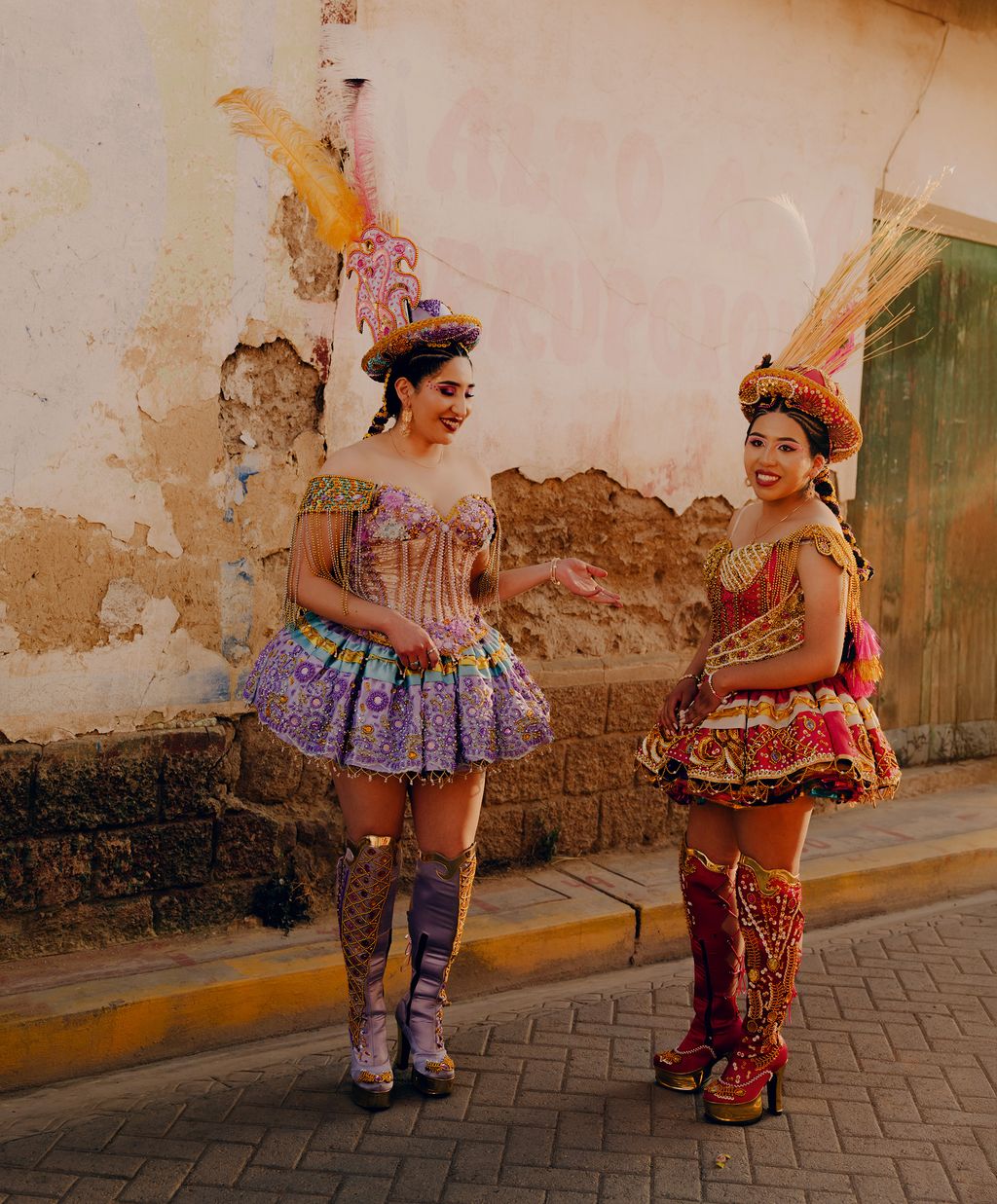 11/12
11/12It includes a parade of dances traditional to the Puno region, showcasing elaborate costumes from the area.
 12/12
12/12