

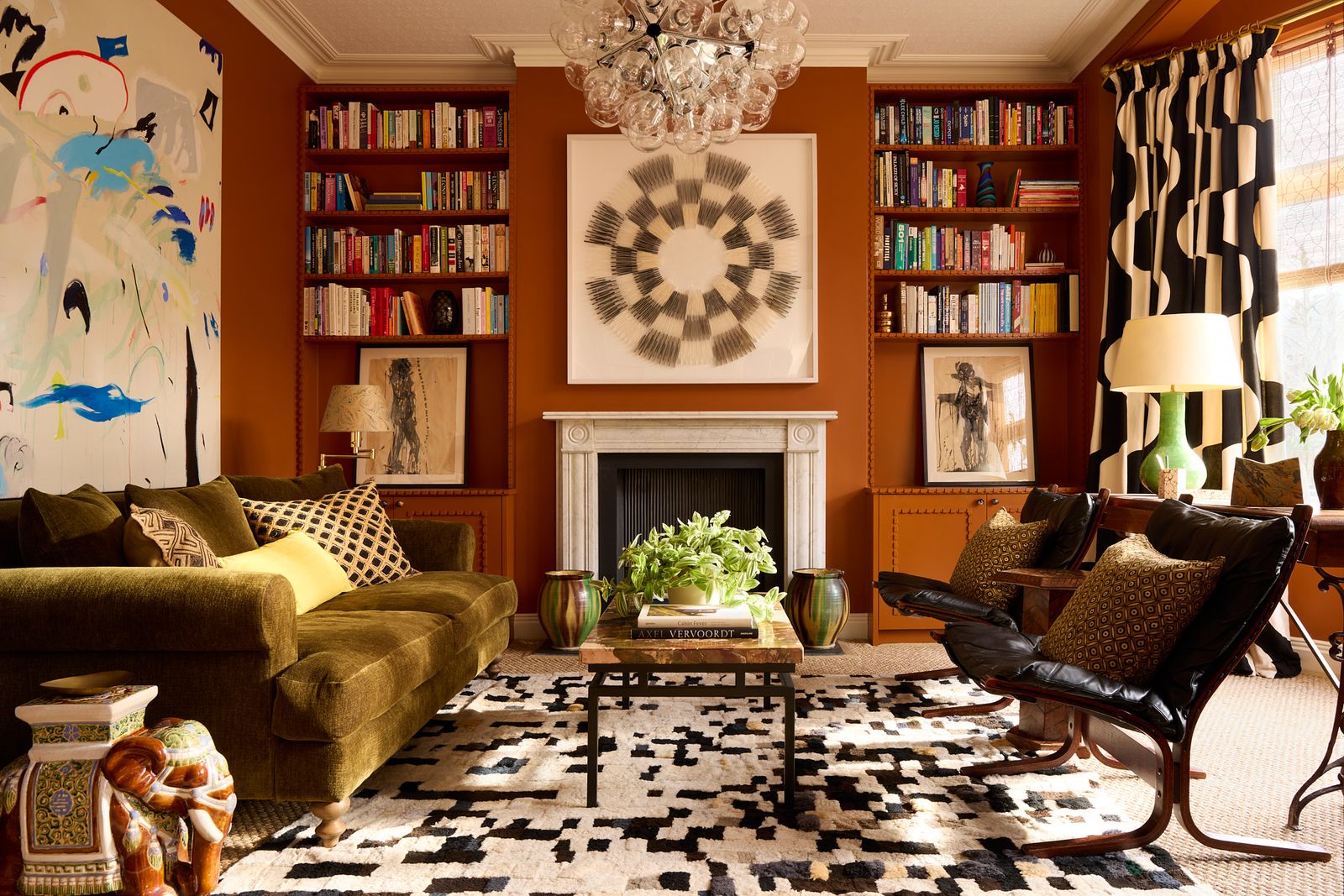
Usually, when trying to sell something – whether it's a delightful Christmas hamper, or a larger investment like a sofa – a vendor will do their best to package it up nicely to best appeal to the consumer. Pillows are fluffed, lights are positioned and the products are captured so well that even the most discerning customer will often find themselves captivated. Why then, when it comes to buying and selling something that will likely cost a thousand times more than the average sofa, are estate agents' photos so awful? Pixelated and blurry, fish-eyed and un-styled, even properties at the higher end of the market often fall prey to poor imagery.
We know all about making a house look appetising at House & Garden. Admittedly, the material we're working with often speaks for itself, a sun-drenched villa in Patmos or a cosy cottage with charming nooks and crannies, and we realise that not every house on the market is going to make a brilliant shoot. But when a bedroom that has the potential to look clean, fresh and appealing instead resembles a cross between a Dame Tracey Emin installation and Harry Potter's bedroom under the stairs, are we really to blame for asking “why”? Crooked angles, dark corners, rogue bin bags, and inexplicably unmade beds — these are the hallmarks of a profession that, until recently, seemed determined to ignore the power of first impressions. For a bit of comic relief, the Instagram account @terriblerealestatephotos curates the most dire.
Instagram content
This is yet more baffling when you consider the statistics, which indicate that listings with professional photographs not sell only faster, but also at a higher price compared to those without. So, why have estate agent photos been so uniformly bad for so long?
Part of the answer lies in the history and legacy of an industry that has remained unchanged and ‘in the family’ for so long. “It's largely a very antiquated business,” says Ellie, Founder and New Business Director at the innovative London-based estate agent Brickworks. Estate agents in the UK have traditionally focused on the art of the sales pitch and the high street name, rather than the visual presentation. “There's this belief that 'it's not the market, it's not the presentation, it's the price,'” explains Ellie, “when the reality is much more nuanced than that.” Matt Carey, a digital marketing specialist with a focus on the property industry, agrees that traditionally there has been much more focus put on “square footage and price” than photographs or staging. The assumption was that buyers would visit the property regardless of its appearance online. The photos, therefore, were often an afterthought, captured by agents themselves on low-resolution cameras or, worse, their phones. On the contrary, Ellie points to the fact that an empty property (with no personal items like furniture or art) will likely sell for 8 - 15% less than a ‘full’ one, and take roughly three to four times as long to sell.
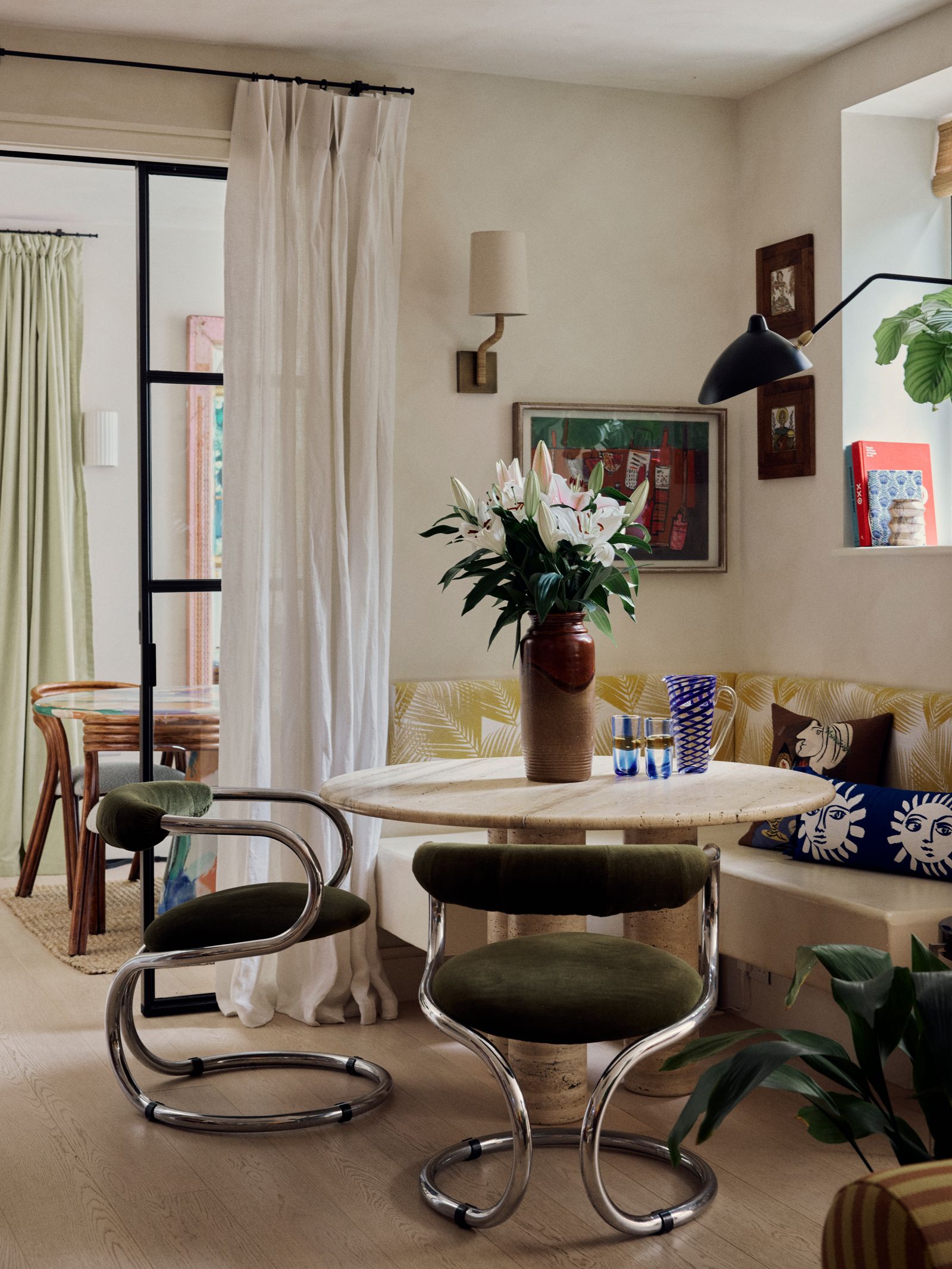
“Part of the reason why estate agents' marketing is so traditional is because it's been a male-dominated industry for so long," explains Ellie, "If there's no diversity at the top, then you're inevitably going to get a monoculture.” And this monoculture, produced as a result of generations of the same type of person in charge, has a reduced estimation of high-quality and beautiful house imagery. “Our team is almost all female, which has brought a different energy, just by virtue of going against inherited norms and established techniques,” she says, “which also makes sense because women are still at the heart of the home – not in an old-fashioned way, but they still tend to spend more time ‘homemaking’ than men, so it only makes sense to include their perspective in the buying and selling process.”
Another reason for poor imagery and staging was the recent relative buoyancy of the British housing market. “It was a seller's market until recently,” explains Matt, “but the market has hardened, and as property sales slow down, there's an increase in pressure on the old guard of estate agents to consider the status quo.” Moreover, it leaves room for those who are doing things differently, like Brickworks, The Modern House or Inigo, to break through. “People flick through housing websites like Rightmove and Zoopla with an increasingly short attention span," says Matt, "It's a bit like a dating app! The aim now is to get people over the threshold, which means booking in for their first in-person viewing, and for that you need great photos.”
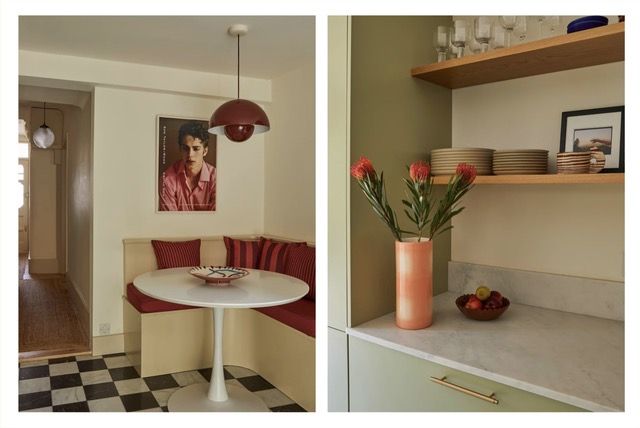
Many companies are looking to America for inspiration when it comes to marketing and semiotics. The American estate agent industry has long since seen the opportunity to maximise sale prices and buyer seriousness through thoughtful branding, whether that's excellent photographs, open houses or even baking cookies to fill a house with a sweet aroma.
Brickworks have taken on a lot of these attributes and have reaped the rewards. “The national average retention rate of houses that go to exchange and completion from an offer being put on is just 55%,” says Ellie, “whereas ours is 90%.” Matt has seen a similar trend: “The ones that make the effort are the ones that do well. Someone doing something different can cut through, which raises the standard of the category generally.” So we could be seeing these smaller boutique agencies increasing market standards across the board.
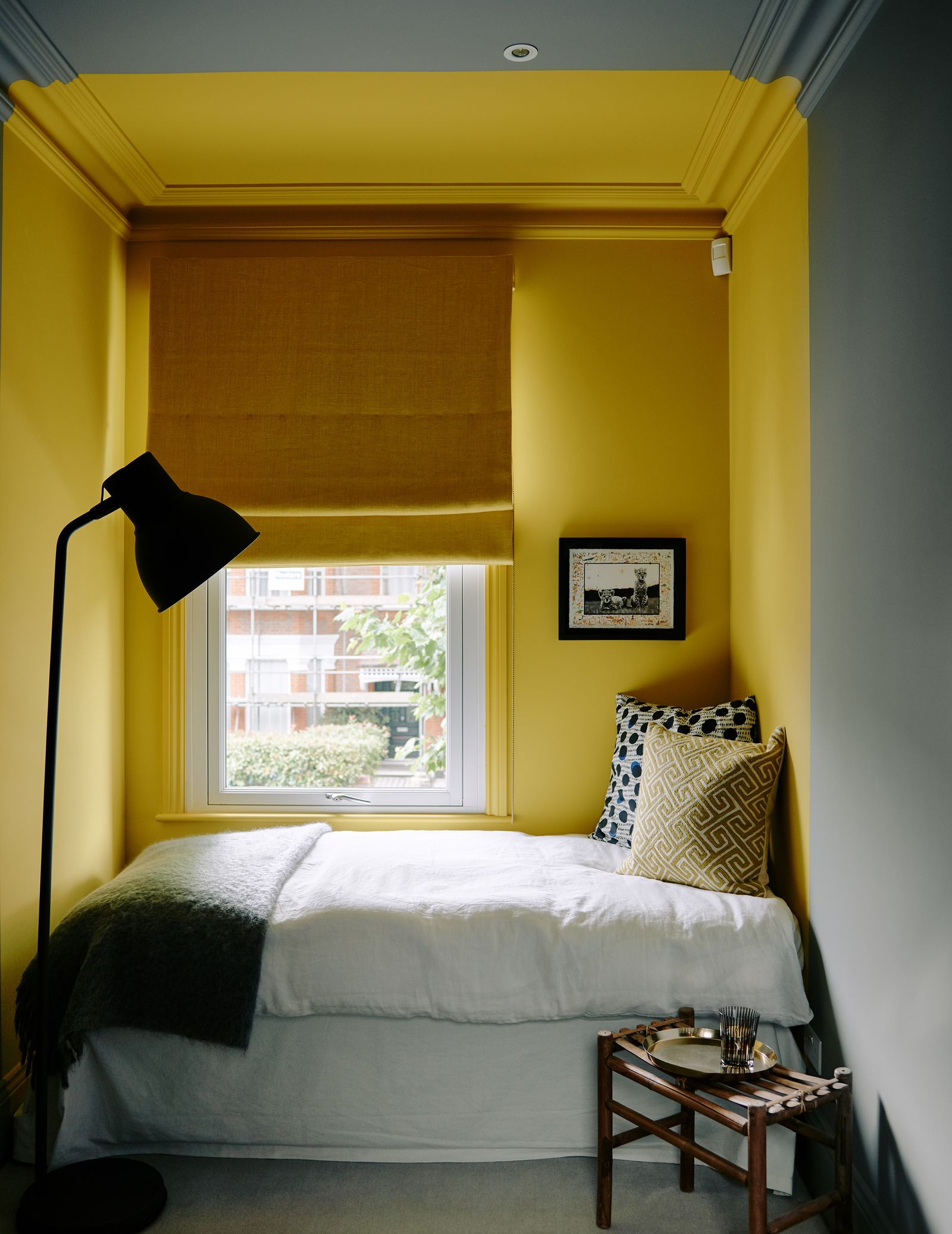
There’s also been an increase in staging services, where homes are decluttered, styled, and lit to create an aspirational aesthetic, something Ellie jokingly refers to as “the Aesop effect.” Subtle messaging, whether through a desirable hand soap, some tasteful books and a scattering of cushions can successfully create a vision that allows a viewer to more easily imagine themselves in a home. Brickworks have ‘Studio Brickworks’, an extended remodelling and staging package, which includes using largely reclaimed and antique material and furniture, meaning the whole process is very sustainable. Sellers may be sceptical about spending the extra money before the sale, but Arden Estate Agents claims that a staged home can fetch up to 10% more. So if your house has been valued at £300k, home staging could get you offers up to £330k, so if you spent £3k on styling, then that's a £27k increase.
Ellie says that far from being “skin deep” or creating a false narrative, Brickworks uses attractive imagery and sales packages, created by a small team of artists, rather than traditional ‘house photographers’ or inexperienced phone-users as a way to draw attention towards genuinely great houses. “It's not just a façade of nice picture,” she says, “it's an attractive exterior that's matched in the integral details. We won't sell a property with a short lease, for example, or with knotweed in the garden.”
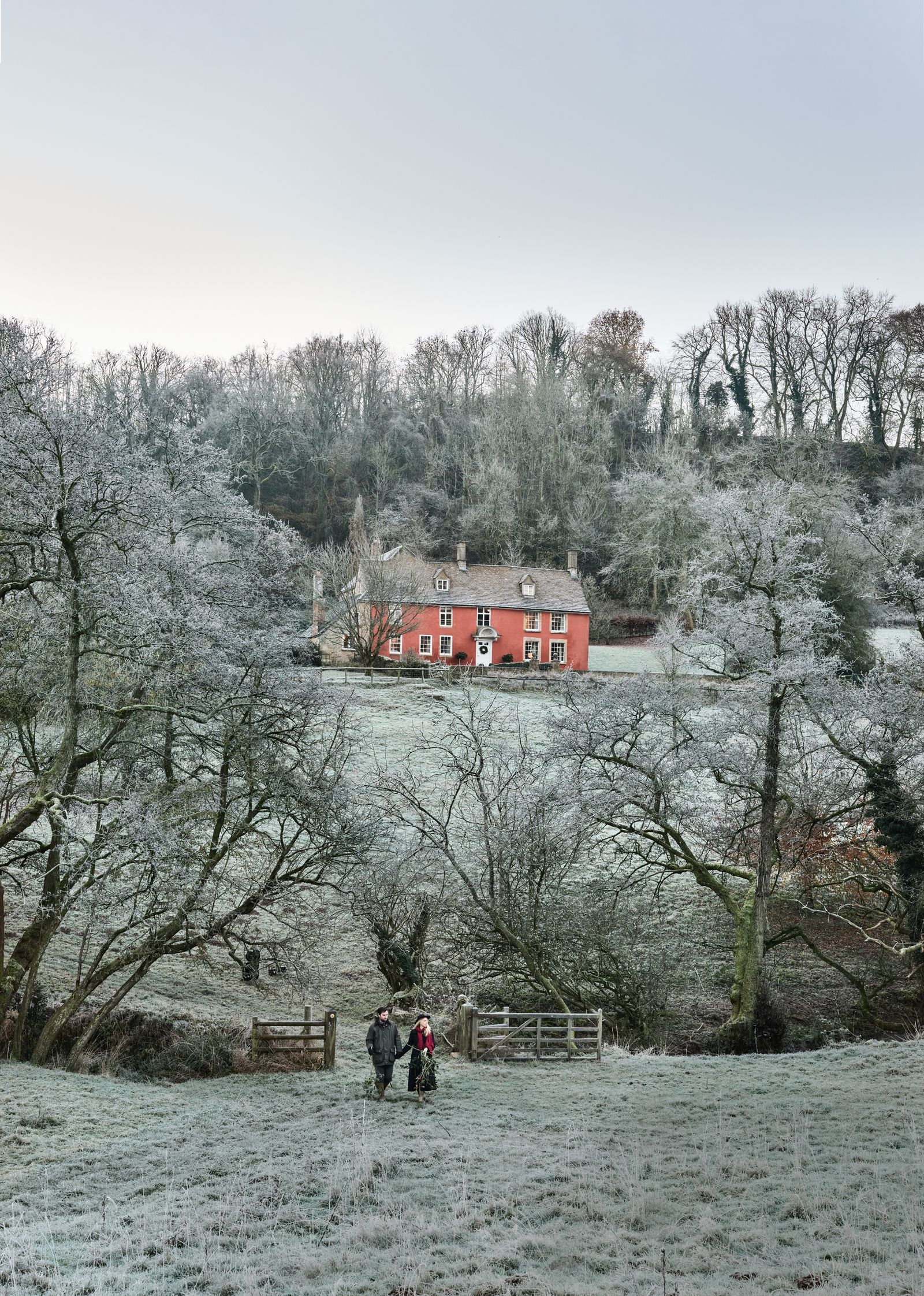
Brickworks use artistically-minded photographers, while other more progressive estate agents use tech to elevate their visuals. Drones now capture sprawling aerial shots of country manors, while virtual tours allow buyers to 'walk through' properties from the comfort of their own sofas. And with tools like Photoshop and CGI, even the gloomiest terrace can be transformed into something more lively.
So, are the days of bad estate agent photos numbered? Perhaps not entirely, but the property market is finally catching up to the reality that a picture is worth far more than a thousand words.


