

Do you wander through the streets of east London longing for the cool, contemporary warehouse life? Or perhaps you always stop to admire the expansive front windows and charming village feel of old shops? You are not alone. Commercial conversions have a unique appeal, offering interesting layouts and architectural details that you rarely find in purpose-built homes. And with attractive houses in good locations at an absolute premium, a commercial space – whether already converted or ripe for development – can offer a more affordable alternative.
However, these spaces also present unique challenges, from the initial planning stage right through to the decoration and furnishing. To find out just how difficult the process is, we have asked those who have been there and done that, both professionally and personally, to shed some light on the situation.

For commercial properties that are yet to be converted, the first step is usually to secure permission for change of use, but we won’t bore you with the bureaucracy of this here. In short, it’s always best to consult your local authority for specific advice. Fortunately, it is not uncommon for properties to be sold with change of use already granted, which was the case for the premises of a property management agency bought by Fee Greening and her music producer partner Dan White. ‘We lived in it for a year in its estate agent form, in all its laminated office blind glory, and then our architect Chris Foley’s plans all went through smoothly,’ Fee recalls.
But this stage is not always plain sailing. ‘We submitted, lost, appealed and submitted more applications,’ explains antiques dealer James Jackson, who converted an ‘uninhabitable’ bakery behind his shop at 279 Lillie Road. Eventually, after various amendments and 28 conditions, permission was granted to extend into the garden. The main challenge was the building’s position at the back of a terrace of shops with flats above, all of which look out over the bakery. Windows had to be carefully positioned and some upstairs glazing had to be opaque. On the plus side, this location gave the house a magical, tucked-away feel, as it is not visible from the street and can only be accessed via the building in front, which never fails to delight visiting friends.
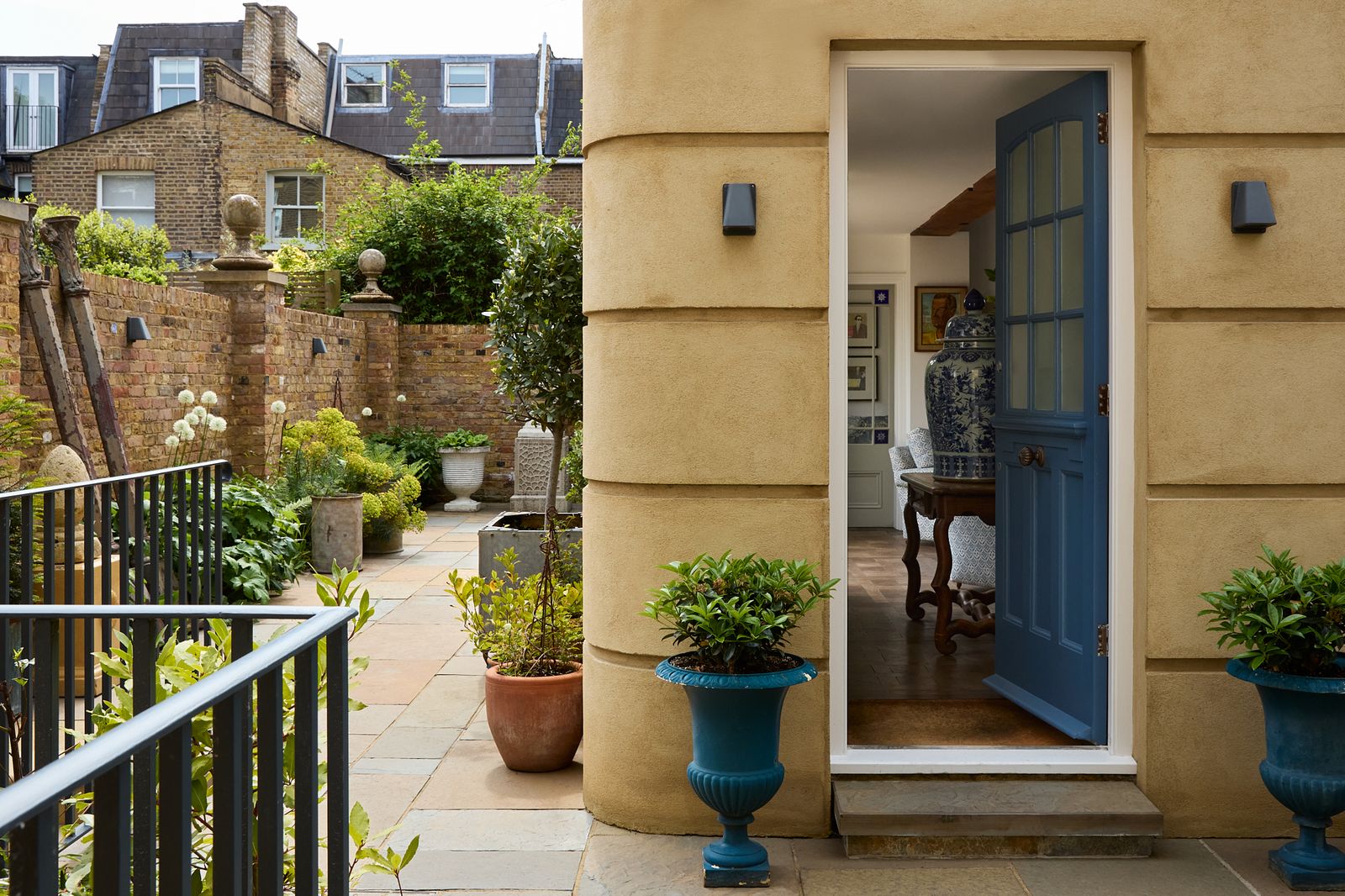
Non-domestic plots can also pose problems when it comes to building work. ‘The biggest stress we had was carrying out construction work on a tiny plot whilst keeping all our neighbours happy,’ remembers Fee. ‘Obviously, the nature of a shop means you are completely surrounded and right on the street, whereas most London houses are set further back. There is no buffer for all the noise and mess – the build was literally on the pavement.’
Internally, it is all about balancing preservation with intervention. ‘These properties were not designed for living, so there are usually hurdles such as energy performance, fire safety, acoustic insulation and daylight standards,’ explains Uwe Schmidt-Hess, founder and partner at Patalab architects. ‘We ask: what makes this building unique, and how can domestic life be introduced without erasing the character of the building?’ Compromises might have to be made in order to meet regulations – which Uwe points out are often stricter than for a conventional house – but through careful reorganisation, use of materials and attention to detail it is possible to create a successful dialogue between old and new.
A similar philosophy underpinned architect and designer Aida Bratovic’s transformation of a London corner shop, dating from 1905, into her family home. ‘Often when people convert shops, they make the frontage look more residential with a bay window, but we wanted to keep the original look,’ she says. ‘We added tiles under the windows to enhance this.’ While the corner plot comes with benefits – double aspect, abundance of light, cross ventilation – it also means the house is wider at the front than at the back, with a roof angle of 45 degrees meeting 70 degrees. ‘There’s a clash between the two in our bathroom so it was difficult to achieve a decent height, but we did manage to fit in a bath with a shower over it. My husband can’t stand up in it, so he just uses the other shower,’ says Aida, laughing. For her and her family, these idiosyncrasies are all part of the joy of living in such an unusual place.

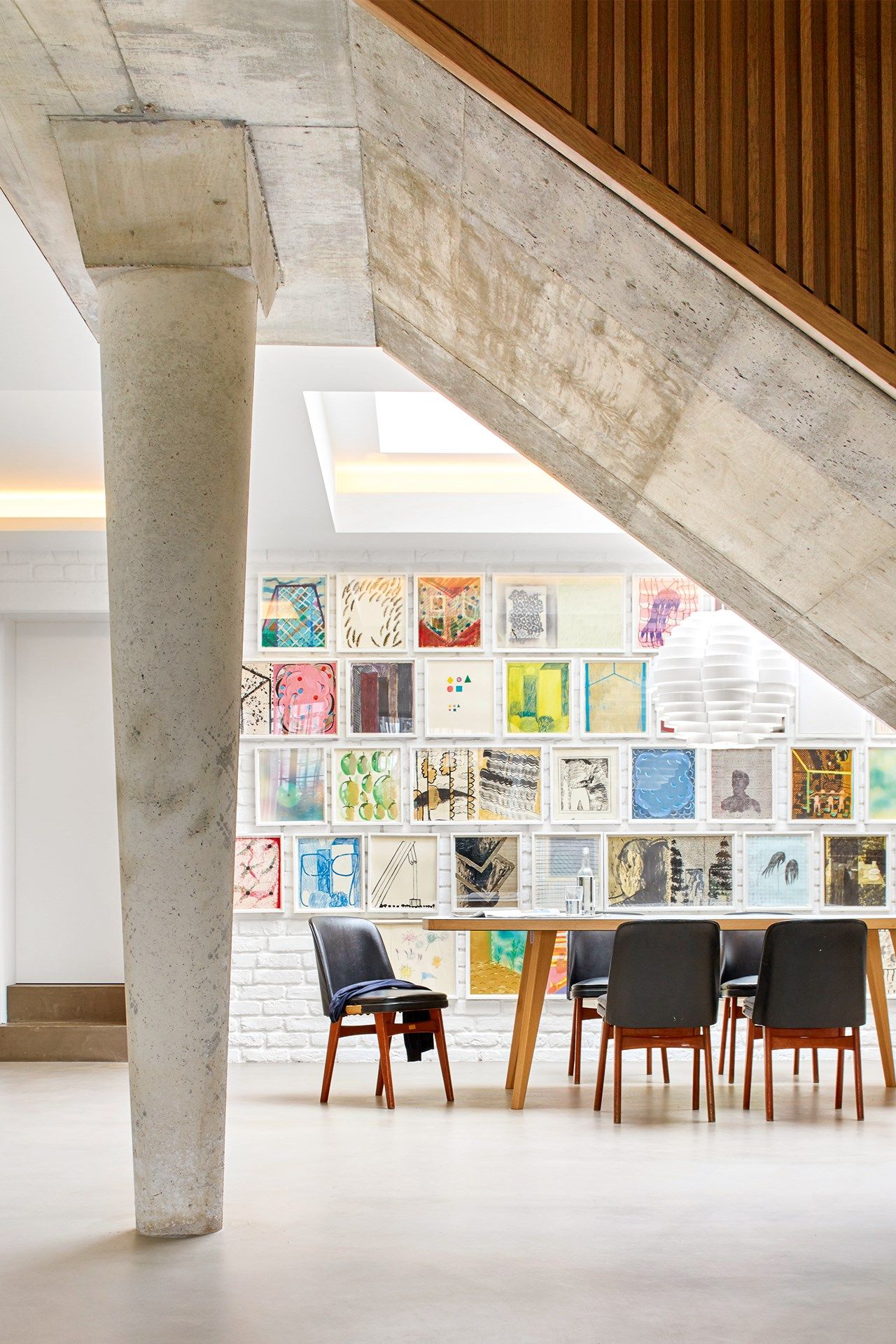
With architectural challenges come decorative opportunities. Aida found that bespoke joinery helped to correct awkward angles in her home while a judicious use of colour made smaller spaces feel warm and inviting. At the other end of the spectrum, custom-made joinery, colour, lighting and soft furnishings can also help to make a larger space feel more manageable, as Uwe explains: ‘We might use pendant lights, art or changes in materiality to introduce a more domestic scale and intimacy without compromising the building’s soul.’
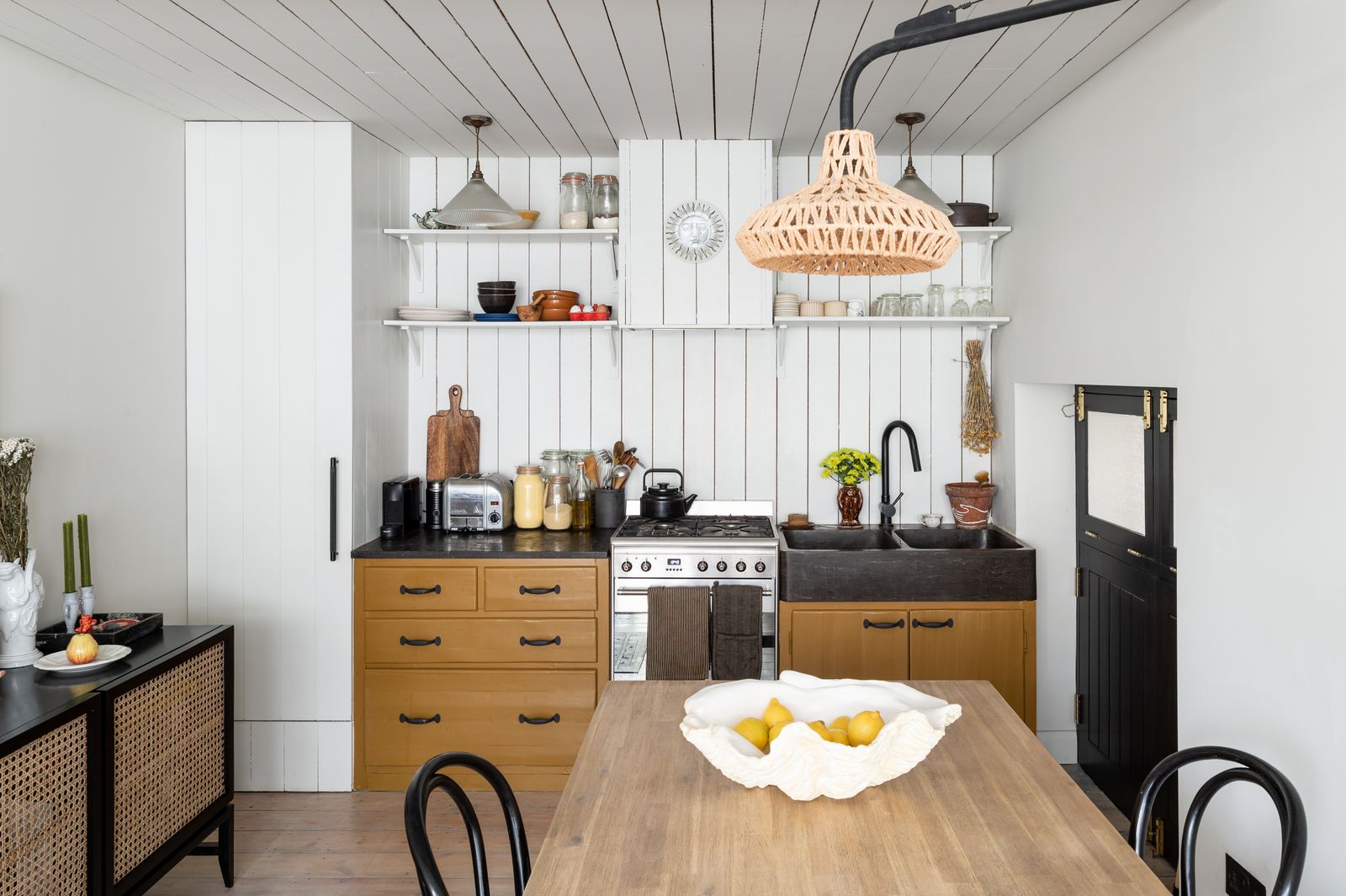
James found that he had to dial down his penchant for the classic country house look and embrace a ‘warehousey vibe’ that better suited the bakery. He kept the walls white and introduced lots of salvaged items, such as parquet flooring, architraves and handrails, which allowed him to indulge his love of sourcing while keeping things ‘as minimal as I could ever be’. Fee’s natural decorating style is ‘pretty scruffy with jolly colours and old chippy paint furniture’ but she went for a ‘calm, airy, organised and slightly architectural feel’ in the old office space.

Needless to say, these sorts of projects never come cheap. You will need to employ a skilled architect – Aida admits that her conversion would have been incredibly daunting without her 30 years’ experience – as well as specialist tradespeople and then there’s the matter of creating bespoke pieces or sourcing the perfect items. However, it is only by making these investments that you can guarantee a finish that is high quality, long lasting and reflective of the distinctive character of the building you have grown to love. As they say, if a thing is worth doing, it’s worth doing well. Is it easy? Definitely not. But few special projects are.


