
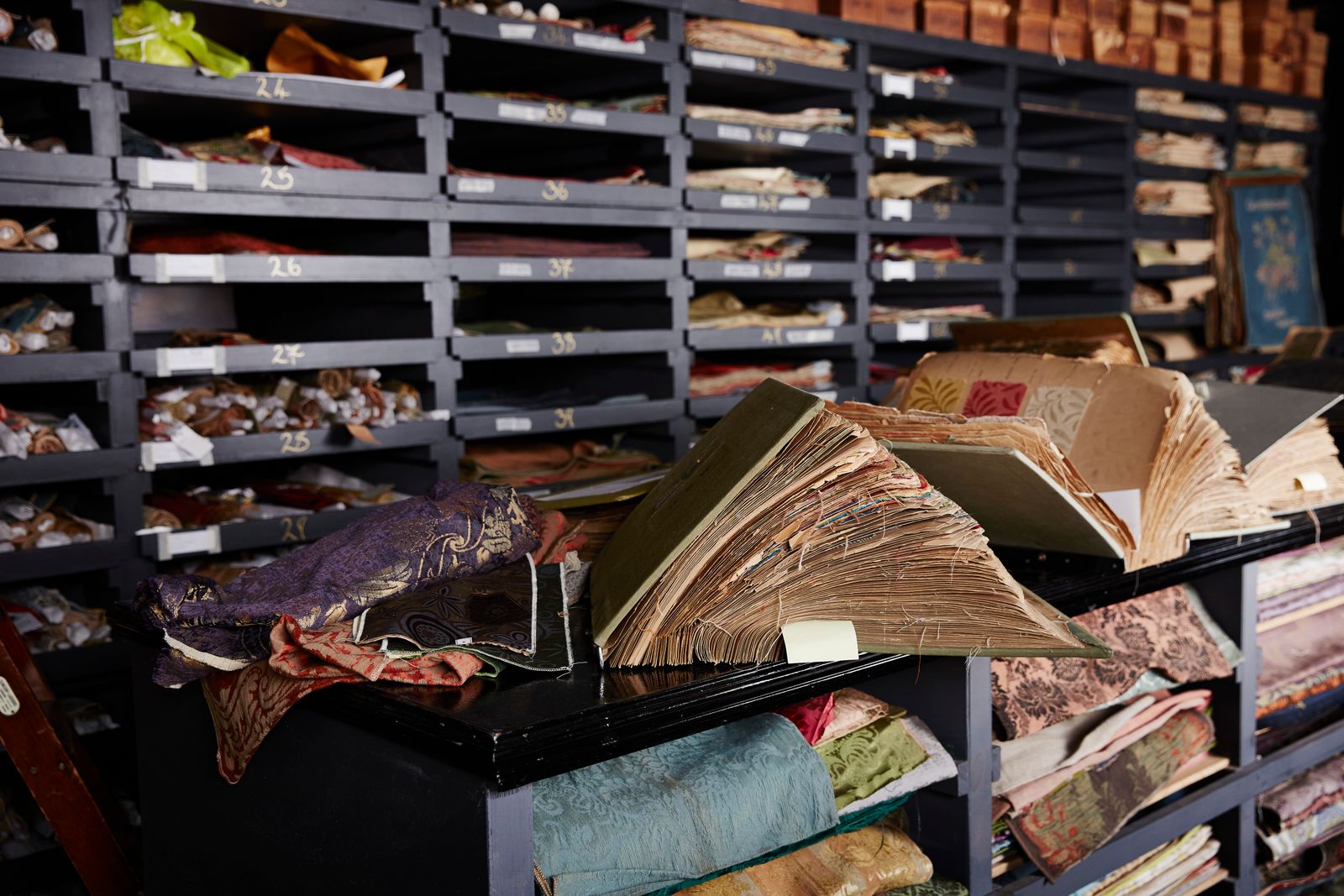
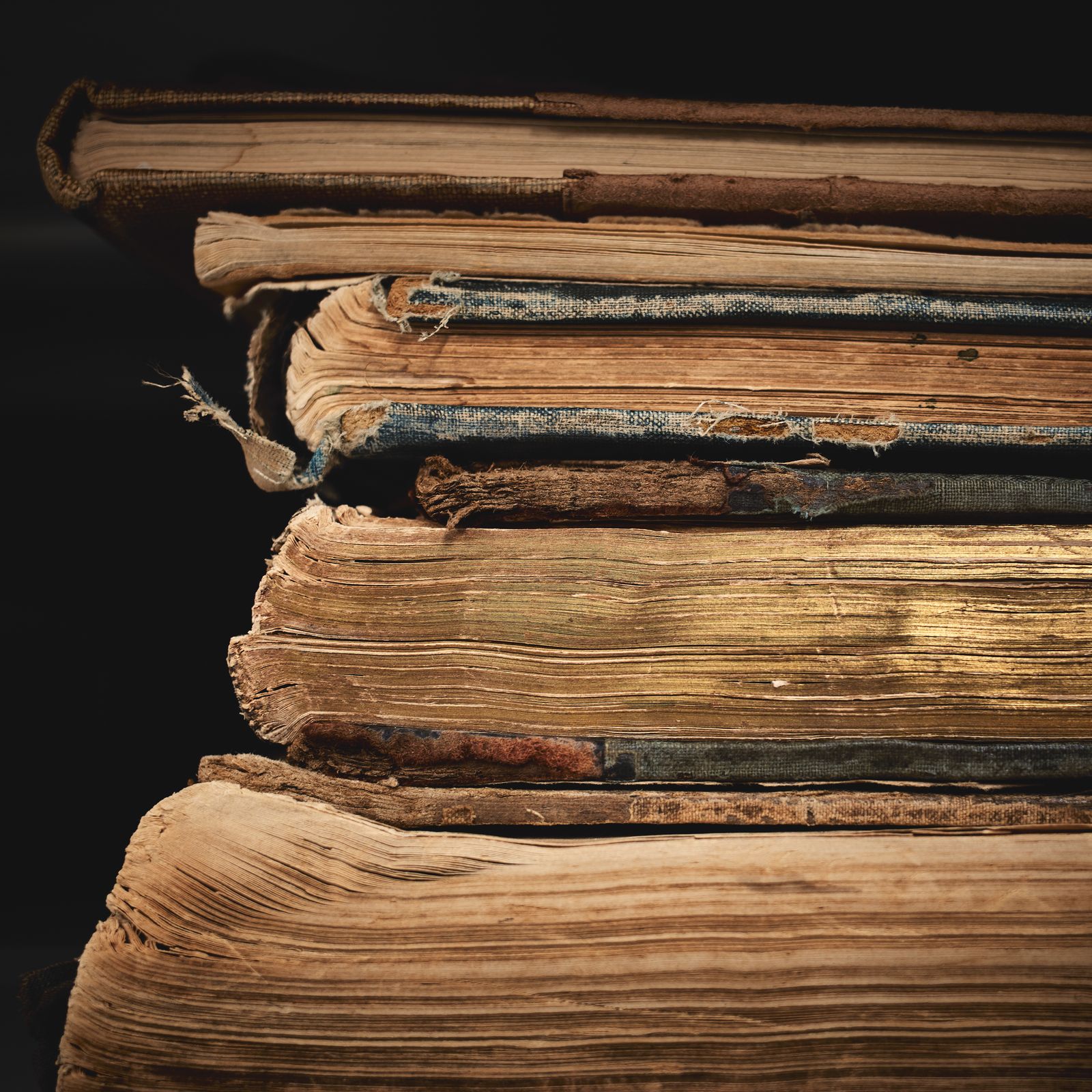
What springs to mind when we hear the word archive? Perhaps a cavernous, windowless room with endless rows of cabinets? Something a little closer to the final scene of Indiana Jones than the beating heart of contemporary design. Yet for some of the most storied names–whether heritage houses like Watts 1874, Sanderson, Gainsborough and Liberty or modern icons like Artek–archives are anything but static. Far from being neglected dusty rooms, they are living resources where patterns are rediscovered and reinterpreted for modern audiences and through which origin stories are preserved and shared. These collections reveal centuries of changing tastes and are essential to understanding where design has come from and where it has the potential to go.
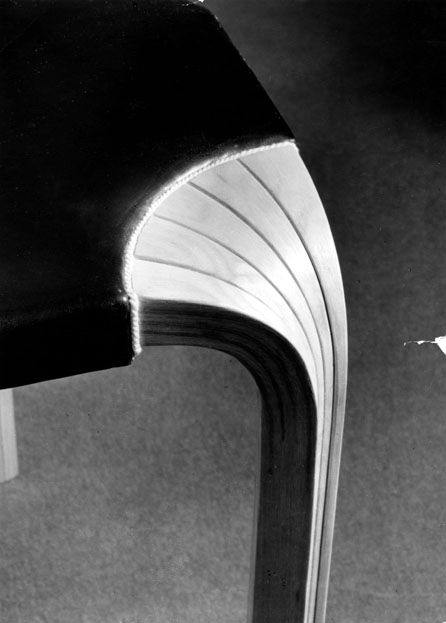
In 2022, the 90th anniversary of Artek provided the Finnish furniture brand with the perfect opportunity to re-introduce designs that would resonate with fans and new audiences alike. Among the reissues was the X602 stool, whose iconic fan-shaped legs have become an exemplar of Artek’s approach to craftsmanship. The archive, held at the Aalvar Alto Museum in Helsinki and Jyväskylä, plays a central role in revivals.

Artek works closely with the Aalto Foundation and the family of the iconic architect and designer to ensure historical accuracy. Any changes are made with restraint: ‘When we reintroduce a product from the archive or reinterpret an existing design, our guiding principle is to remain as close to the original as possible while ensuring that it functions seamlessly in contemporary life,’ says Marianne Goebl, Artek's Managing Director. That careful adaptation for the modern day, whether it's adjusting length to accommodate a taller average height, or working with a research-based design studio to rethink how their Finnish birch is sourced, is what means archival designs aren’t just ‘museum pieces’.
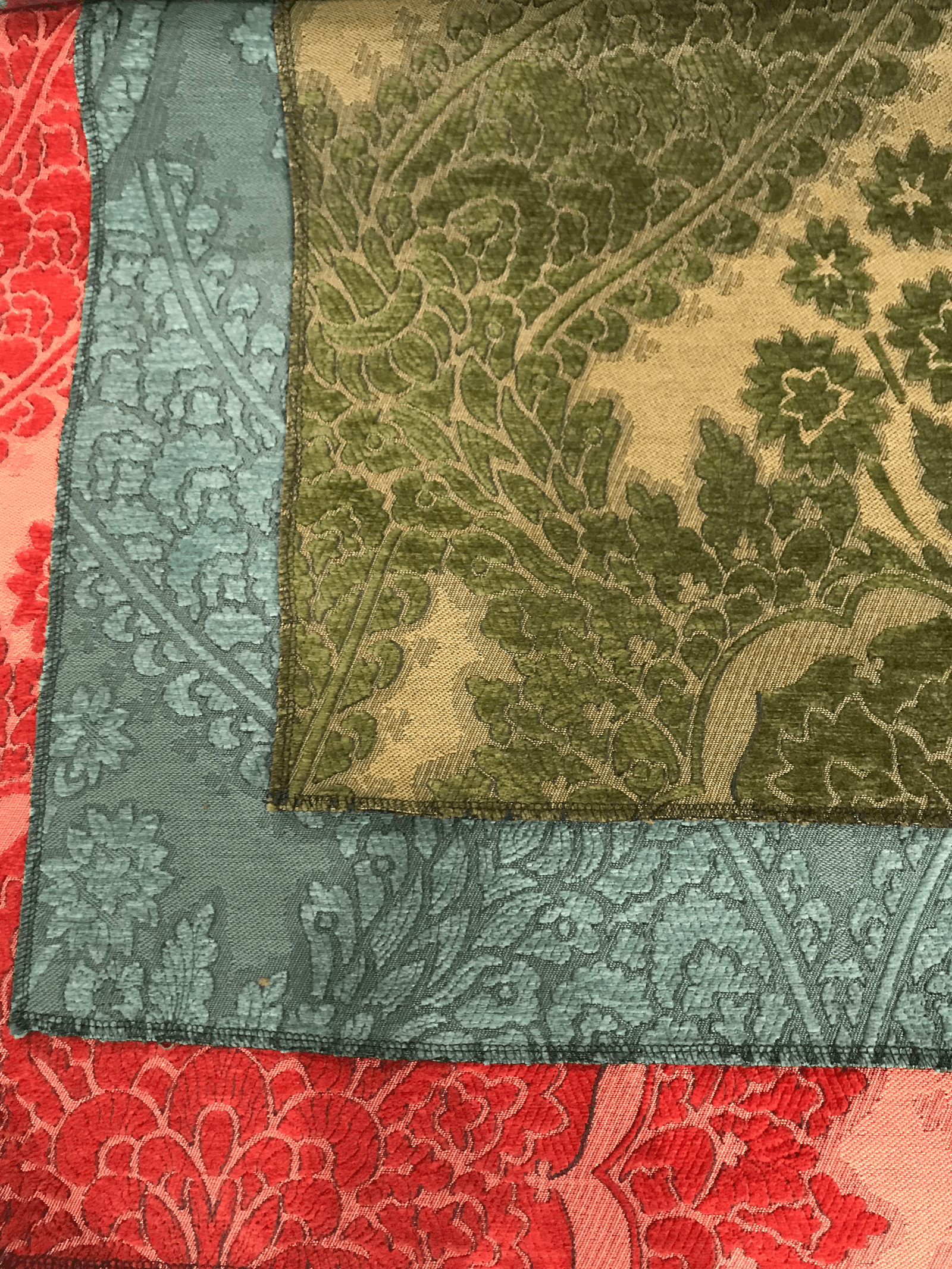
While Artek’s legacy is rooted in form, for other design houses, it is in pattern. Heritage brands Liberty and Watts 1874 keep physical archives in undisclosed locations, cared for by talented archivists and curators. In an era of trend chasing, those collections are powerful counterpoints, offering authenticity in a culture that is hungry for provenance and storytelling. ‘We do not follow trends; our mission is to keep history alive and relevant,’ says Marie-Séverine de Caraman Chimay, director of fabric house Watts 1874 and fifth-generation family member. From the smallest surviving fragments of fabric, designers can reconstruct a repeat, adapt it, and reinterpret the colour palette for modern tastes. ‘Every new design contributes to a living heritage, ensuring that we are not only preserving history but actively creating it.’
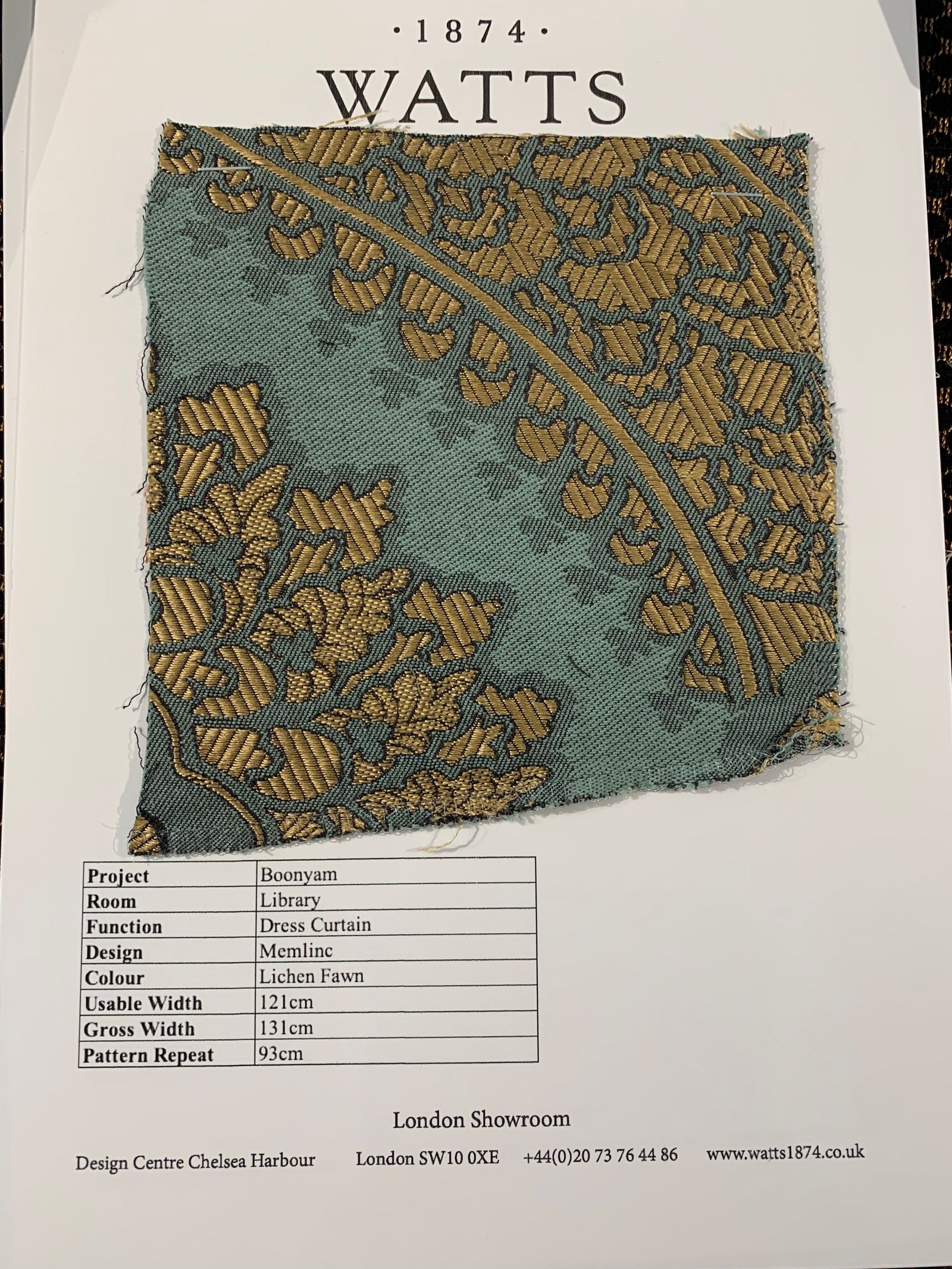
Their collections feature fabrics inspired by 19th century French silks reimagined as weaves for upholstery and damasks inspired by cut velvet found at Belton House in Lincolnshire. What makes certain patterns stand out as ideal for revival? ‘The motifs that survive across generations do so because they possess this intrinsic structural integrity, a cultural and aesthetic backbone that time cannot erode.’ says Marie-Séverine.

If there is one brand whose instantly recognisable designs are testament to this, it is Liberty. Part of their archive is kept in the London head office where designers are able to spend hours delving into nearly two centuries of design history in search of inspiration for new collections. ‘Oftentimes, it's about imagining the potential of the design in the archive,’ says Mary-Ann Dunkley, Liberty’s Design Director. ‘Depending on the project, an existing design from a few decades ago might be redrawn with only small changes, but more often than not, a tiny element is used as an inspiration to create a completely new repeat.’

Their SS20 ‘Modern Archive’ collection came about as they explored how to relaunch the interiors category with a cohesive collection considering the vast number of pattern styles–florals, abstracts, scenics and geometrics, to name a few–that Liberty has. ‘Historical designs exist at the heart of the Liberty DNA,’ Mary-Ann explains. ‘The imaginations of generations of creatives have built the rich archive that appears as we know it today.’ To celebrate their 150th anniversary, the brand released the ‘I am. We Are. Liberty’ collection of archival fabrics which included redrawn designs, crepe de chine interpretations of repeats originally made for wallpaper, or furnishing fabric.
The Sanderson Design Group’s archives are kept at Voysey House in Chiswick and contain about 75,000 items spanning over 160 years of design history. To protect it the company has invested in digitisation. ‘So rather than rifling through drawers which is never good for an archive–you want to keep any kind of touch and movement as limited as possible–we’re now able to flick through our digital design bank to look for things,’ says Claire Vallis, design director.
Their recent collaboration with the Huntington Library in California perfectly depicts how vital a resource archives are. After Morris & Co. went into receivership, the Huntington acquired part of its archive. Years later, they reached out to Sanderson to help them turn fragments into a complete collection. ‘We re-drew them but we did colour them from our own archive so it felt authentic,’ says Claire. ‘It’s about using it for information, to make sure you’re staying true to the brand while moving it forward.’
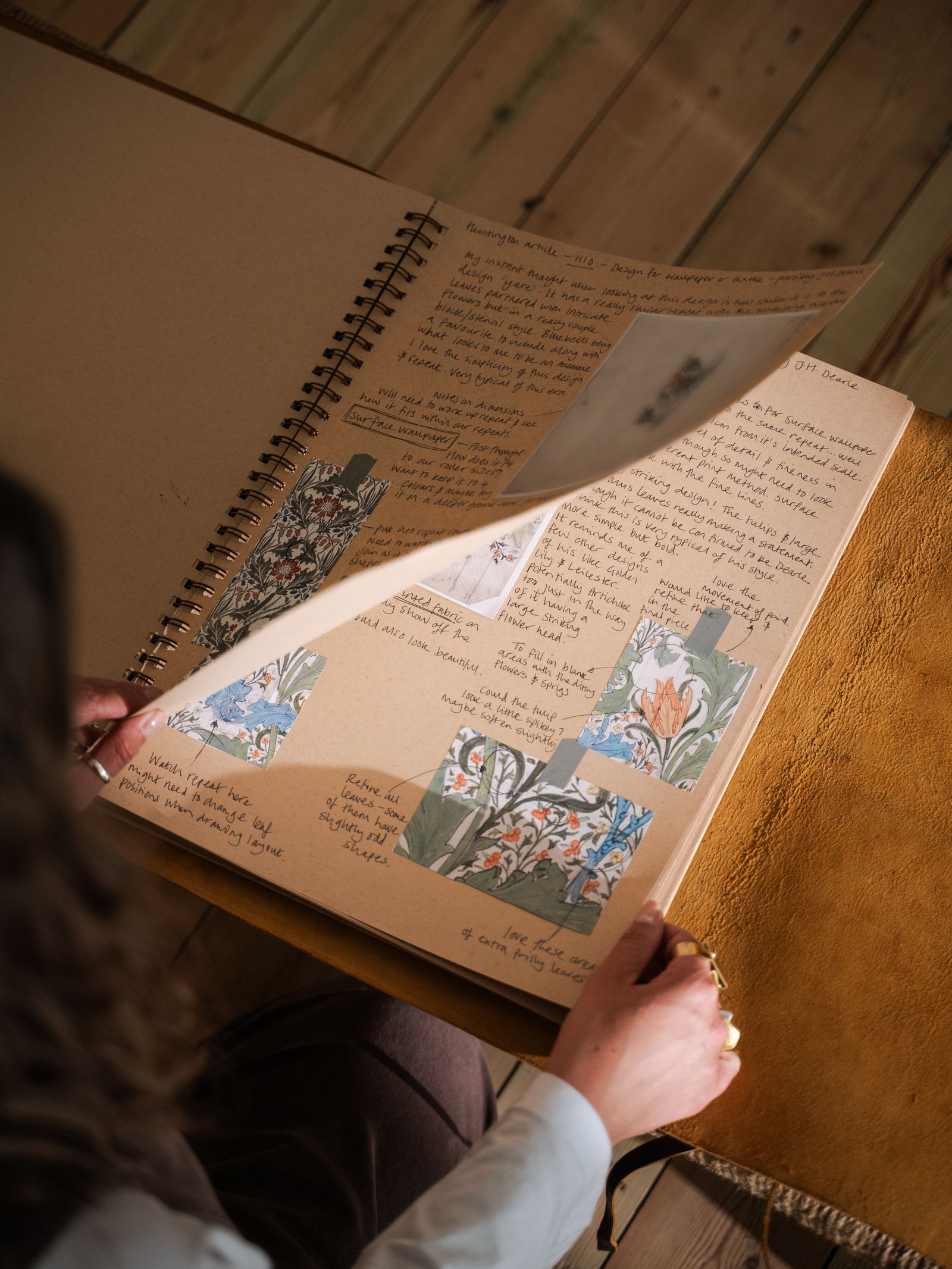
The success of Morris & Co. in particular, tells a broader story about our relationship with historical designs. ‘Everybody feels like they own a bit of Morris, and actually they do,’ says Claire. ‘It's very unusual that the public can name designs, but most people can recognise a ‘Strawberry Thief’ design, a ‘Pimpernel’. That's incredible, that kind of legacy.’
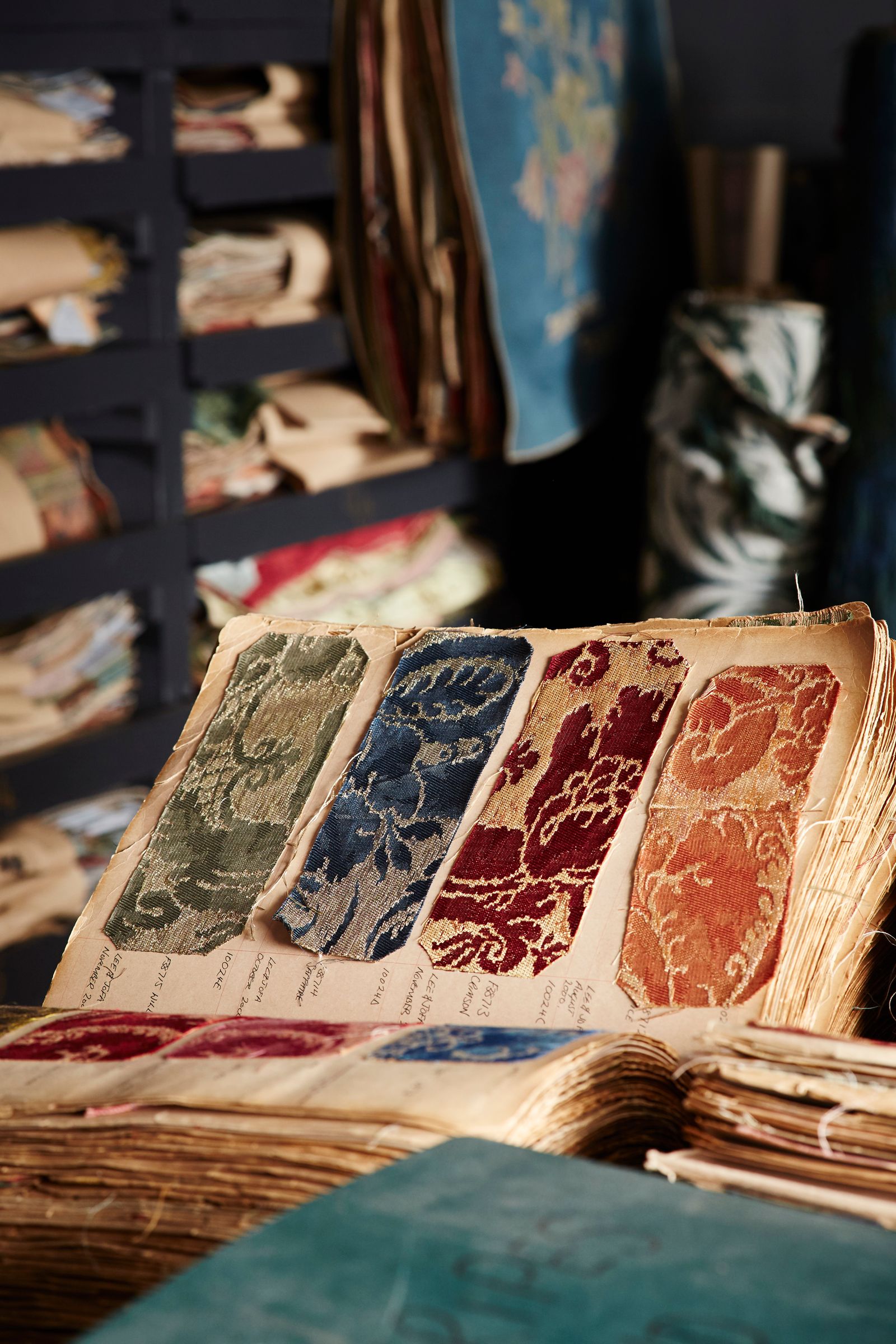
Preserving legacies is, of course, integral to how these archives are kept and used. ‘It feels like a responsibility to preserve these beautiful glimpses into the past,’ says Dominique Caplan, Head of Design at Gainsborough Silk Weaving Company. Their archives began as a collection of exquisite tissues that founder Reginald Warner had collected at the turn of the 20th century while on his Grand Tour. After also acquiring the archives of the defunct English Weaving Company, he set up Gainsborough in 1903. ‘Anyone who is passionate about design finds the archive captivating and our designers and creative director take every opportunity to spend time in the archive,’ says Dominique. ‘If it is an in-house project then our team will already have a backlog of designs they have been itching to reintroduce.’
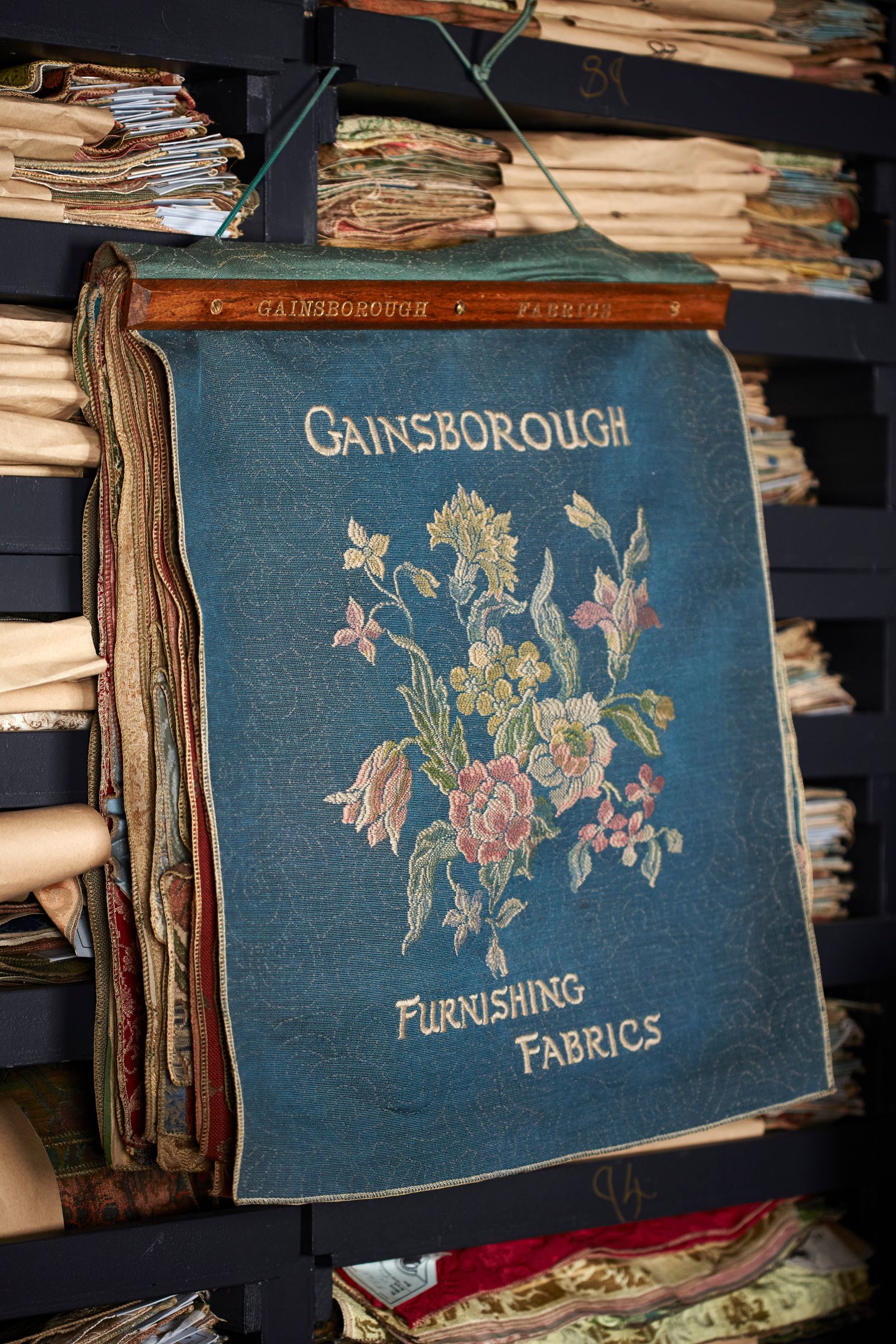
The Sudbury Edits, named for the location of the mill, are collections featuring historical designs specifically selected for their timeless appeal and re-imagined in different colourways for the modern audience. ‘The collections are tailored to what our international clients are seeking for a more modern interior, and it is surprising how often this can be achieved whilst retaining historical palettes,’ says Dominique.
That balance is part of what makes design archives so fascinating. They sit at the intersection of cultural memory and innovation. ‘Designs from another time that have lost none of their appeal can indeed build a tangible bridge to the past’ says Marianne. ‘They help us to connect with the experiences and dreams of former generations. Reviving such pieces also keeps cultural knowledge in active circulation: techniques, materials, and ways of thinking that might otherwise be forgotten, continue to live through contemporary use.’

Whether it is a faithful reproduction, or an entirely new design, interior design archives offer a depth of reference that speaks to our innermost thoughts about subjects like taste. In an age of rapid production and short-lived trends, they ensure that new work remains connected to a lineage, and that historical designs continue to evolve through use rather than stultifying reverence. They remind us that good design, enduring design, is not created in isolation but is instead revised, adapted, continually inspired by what came before and always reflecting what is happening now.


