
The visionary women who changed the face of design
It goes without saying that we should celebrate these pioneering figures from the design, art and decorative worlds all the time, but what better moment to bring them to the fore than International Women’s Day? Many of them established their reputations at a time when their disciplines either restricted access to women, or formally denied them entry at all – women were easily dozens of times more likely to be seen in oil on the walls of the Royal Academy than on its membership rolls until very recently – and all have shaped aesthetic and material culture as we know it.
So, find inspiration in the work of these women, from legends like Sibyl Colefax and Zaha Hadid to a smattering of names you may not have heard of.
 Michael Wickham1/23
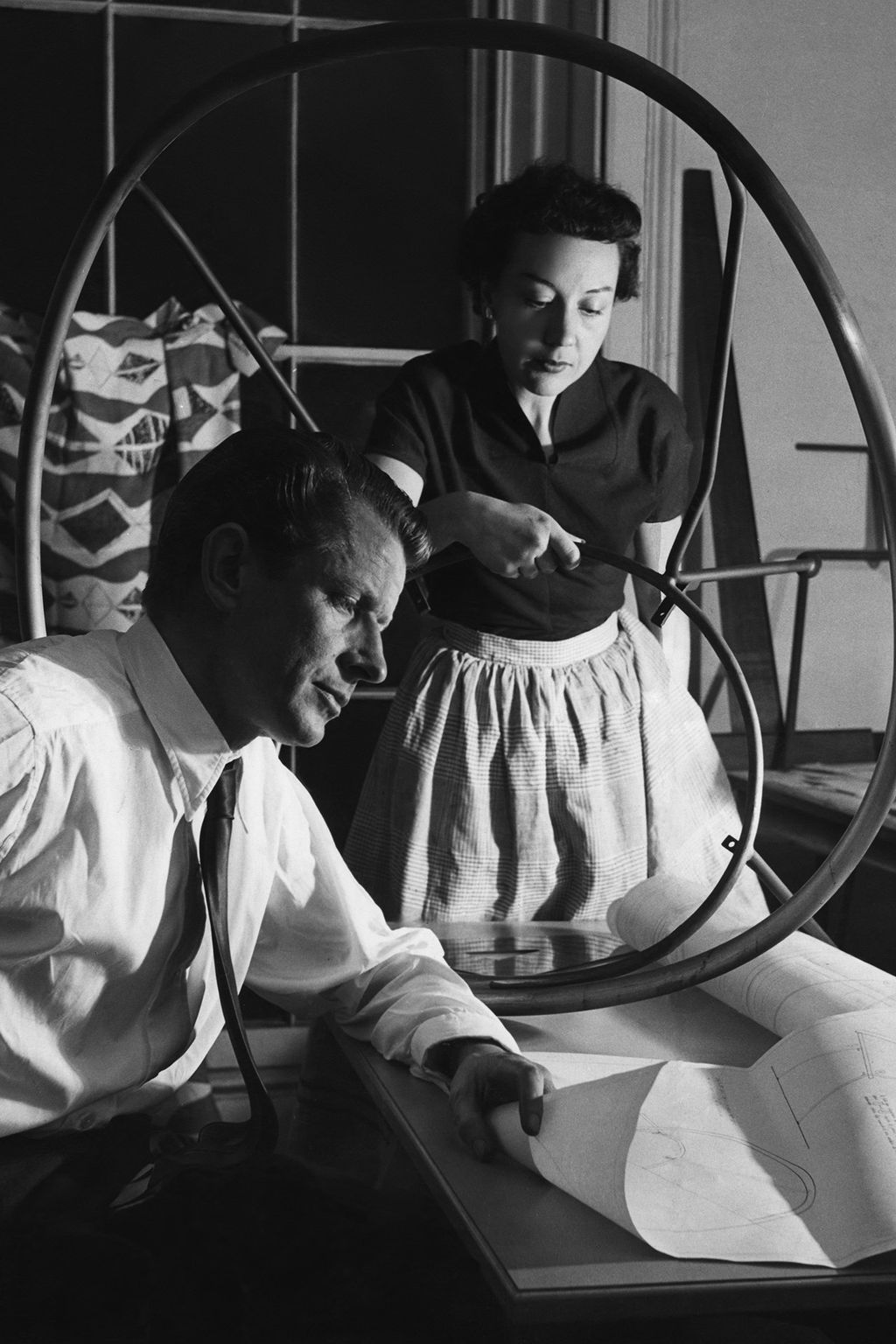
Lucienne Day (1917-2010)
Lucienne Day’s love of modern art was what inspired her to create a new style of fabric. She brought abstract patterns to post-war British textiles and in doing so created what we now know as “contemporary” fabric prints. At the landmark Festival of Britain held in London in 1951, Day chose to exhibit her boldest – and what would become her most famous – abstract fabric design, Calyx. The design, featuring cup motifs connected by thin lines, was hand-printed on brown linen, conjuring the aesthetic of modern painters. Overcoming their scepticism, Heal’s decided to carry the design. It sold incredibly well and launched not only Day’s career, but also the trend for contemporary fabrics.
 2/23
2/23India Mahdavi (b. 1962)
Known for her use of colour, India Mahdavi is a prolific Iranian-French architect and designer who has made quite the mark in her career to date. Alongside her work for clients including the Connaught and Sketch, India also has a furniture line of eye-catching pieces. What sets India apart is that while she uses colour on a large scale in her work, she manages to do it in a minimalist way that doesn’t overwhelm the senses, tending to focus on a single colour or tone.
 Getty Images3/23
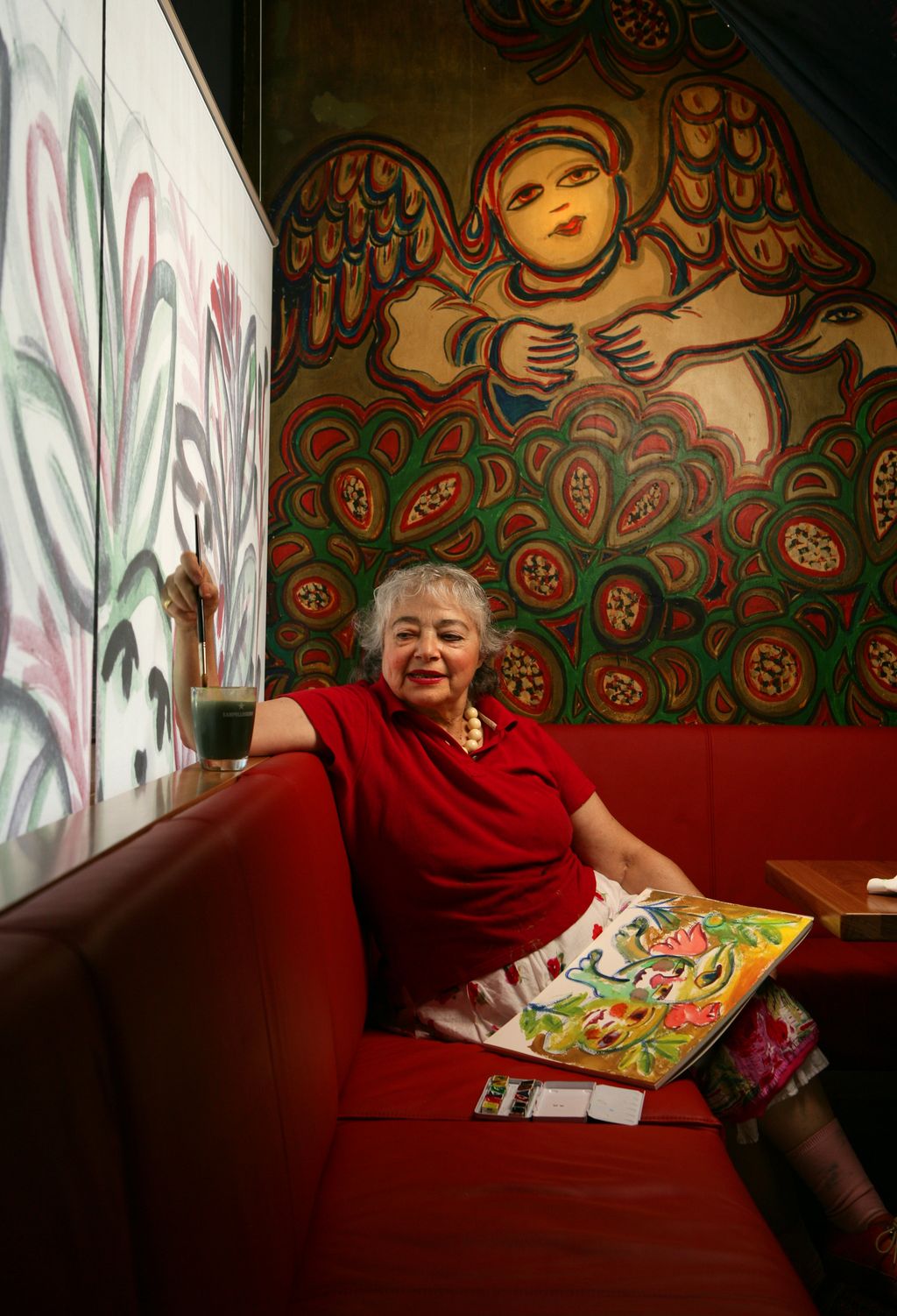
Mirka Mora (1928-2018)
Better known in Australia and France, the artist and restaurateur Mirka Mora had an eventful life. Born in Paris, she evaded arrest and deportation to Auschwitz, and emigrated to Australia in 1951. Amongst many other things, she helped develop contemporary art in her adopted country: in her obituary for Arts Hub Australia, Kelly Gellatly, Director of the Ian Potter Museum of Art at The University of Melbourne said, “I’ve always thought that part of the reason that Mirka is so loved by so many, particularly women, is that she has shown us, through her own life, how to love bravely, and how to live life fearlessly, in your own way.”
 Alamy4/23
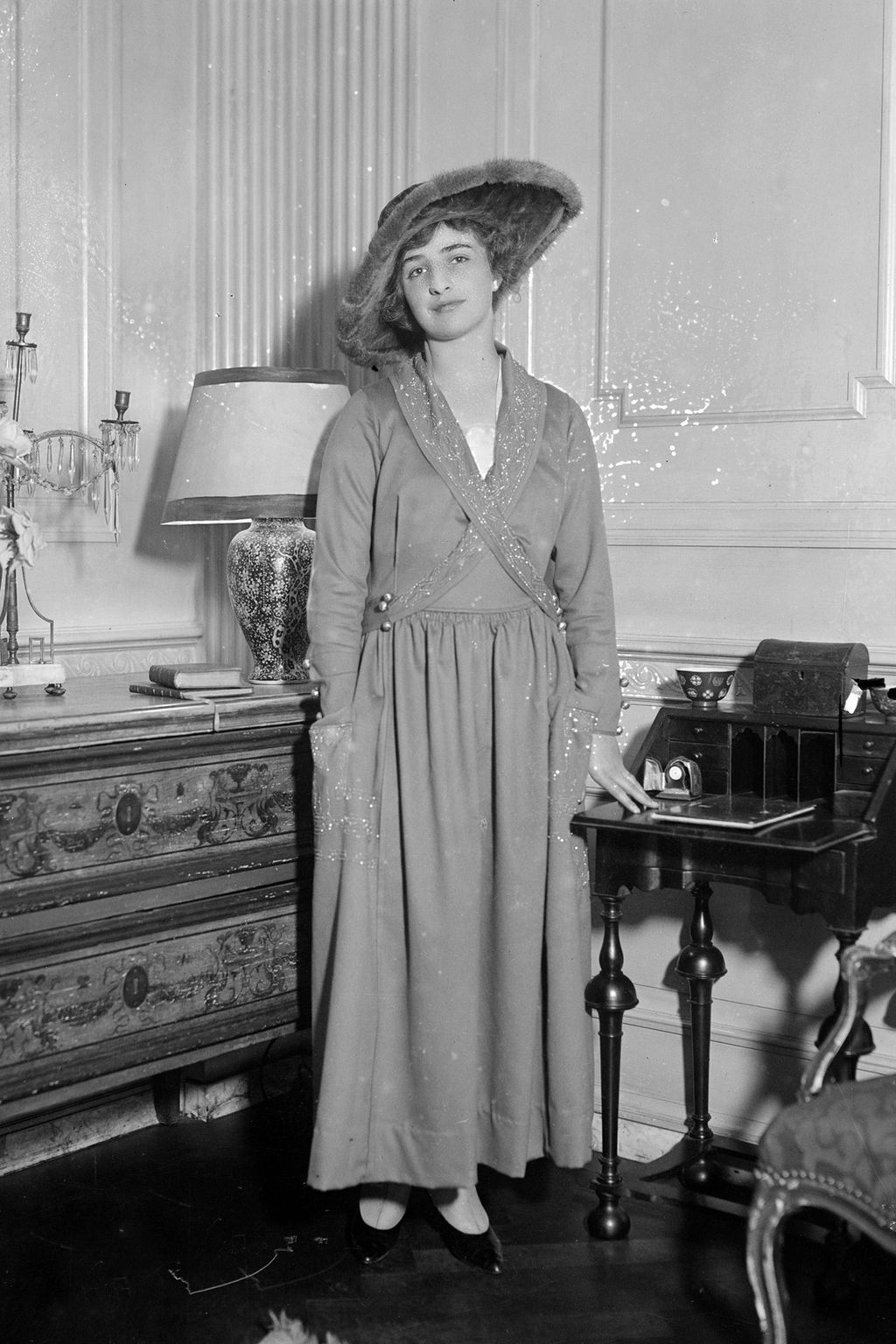
Nancy Lancaster (1897-1994)
Twentieth-century tastemaker Nancy Lancaster was an interior and garden designer, and her lasting influence cannot be overstated. “Nancy Lancaster,” wrote the author Ros Byam Shaw for this magazine, “the American credited with crystalising, if not exactly inventing, the English country house look after buying Colefax and Fowler in the Forties, and teaming up with John Fowler, introduced American luxury to the small stately homes she decorated for herself – heating, carpeted bathrooms – ensuring that comfort became another characteristic.
“She famously advocated having ‘something a little bit ugly’ in every room, and described decorating as ‘a bit like mixing a salad’, recognising that a degree of informality promotes relaxation – no one enjoys feeling that their presence is a blot on the immaculate landscape.”


 Shutterstock5/23
Iris Apfel (b. 1921)
There are few pairs of glasses so iconic as those of legendary American interior designer Iris Apfel. In her later years, Iris has become a fashion icon for her distinctive joyful, colourful style, which is a reflection of her vibrant personality and design ideas. From 1950 until 1992, she founded and ran a textile firm, Old World Weavers, with her husband Carl, but her most notable contribution to the design world is through her work at the White House. Apfel worked with nine presidents in total on intricate restoration projects, from Harry Truman through to Bill Clinton.
 6/23
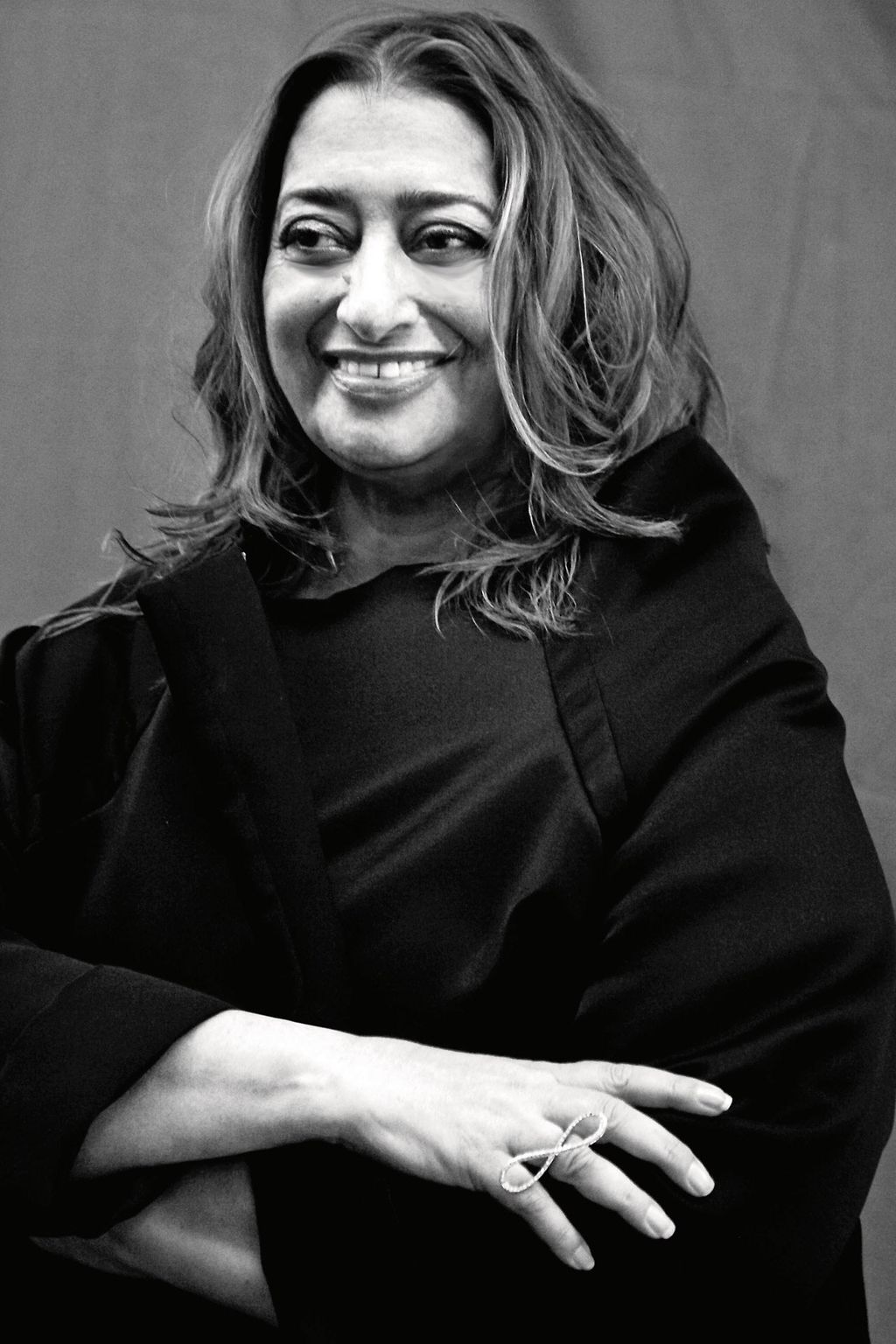
6/23Zaha Hadid (1950-2016)
Known for her ambitious designs that challenged the notion of geometry in architecture, instead opting for dramatic curves and bold facades, world-renowned architect Dame Zaha Hadid died in 2016 at the age of 65. The first woman to win the Pritzker Architecture Prize, the Iraqi-British innovator was best known for avant-garde designs such as the London Olympic Aquatics Centre, the Serpentine Gallery Pavilion in 2000, and the Heydar Aliyev Center in Baku, Azerbaijan.
After her death, Michael Kimmelman of the New York Times wrote: “Her soaring structures left a mark on skylines and imaginations and in the process reshaped architecture for the modern age... Her buildings elevated uncertainty to an art, conveyed in the odd way of one entered and moved through these buildings and in the questions that her structures raised about how they were supported... Hadid embodied, in its profligacy and promise, the era of so-called starchitects who roamed the planet in pursuit of their own creative genius, offering miracles, occasionally delivering.”
 7/23
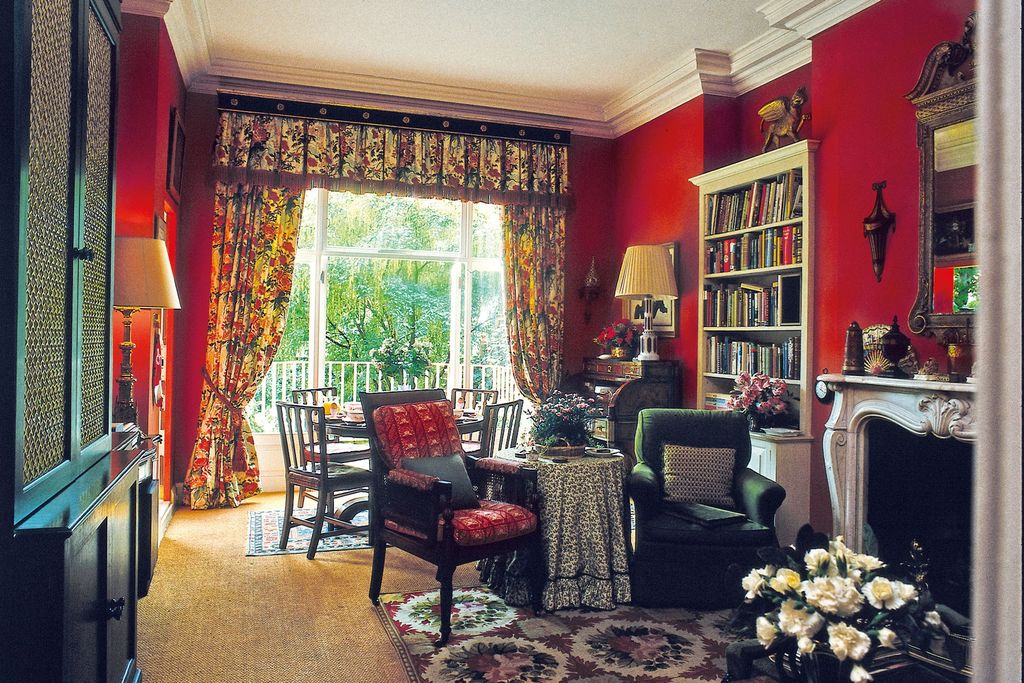
7/23Sibyl Colefax (1874-1950)
After losing most of her fortune in the Wall Street crash, the resourceful Lady Colefax began to decorate professionally, using her formidable address book for contacts and clients. She purchased the decorating division of an antiques dealer in Mayfair and established Sibyl Colefax Ltd in partnership with Peggy Ward, the Countess Munster. When Peggy decided to retire, John Fowler was taken on as a partner and managed the business, which was moved to 39 Brook Street, Mayfair – where it remains today.
 Getty Images8/23
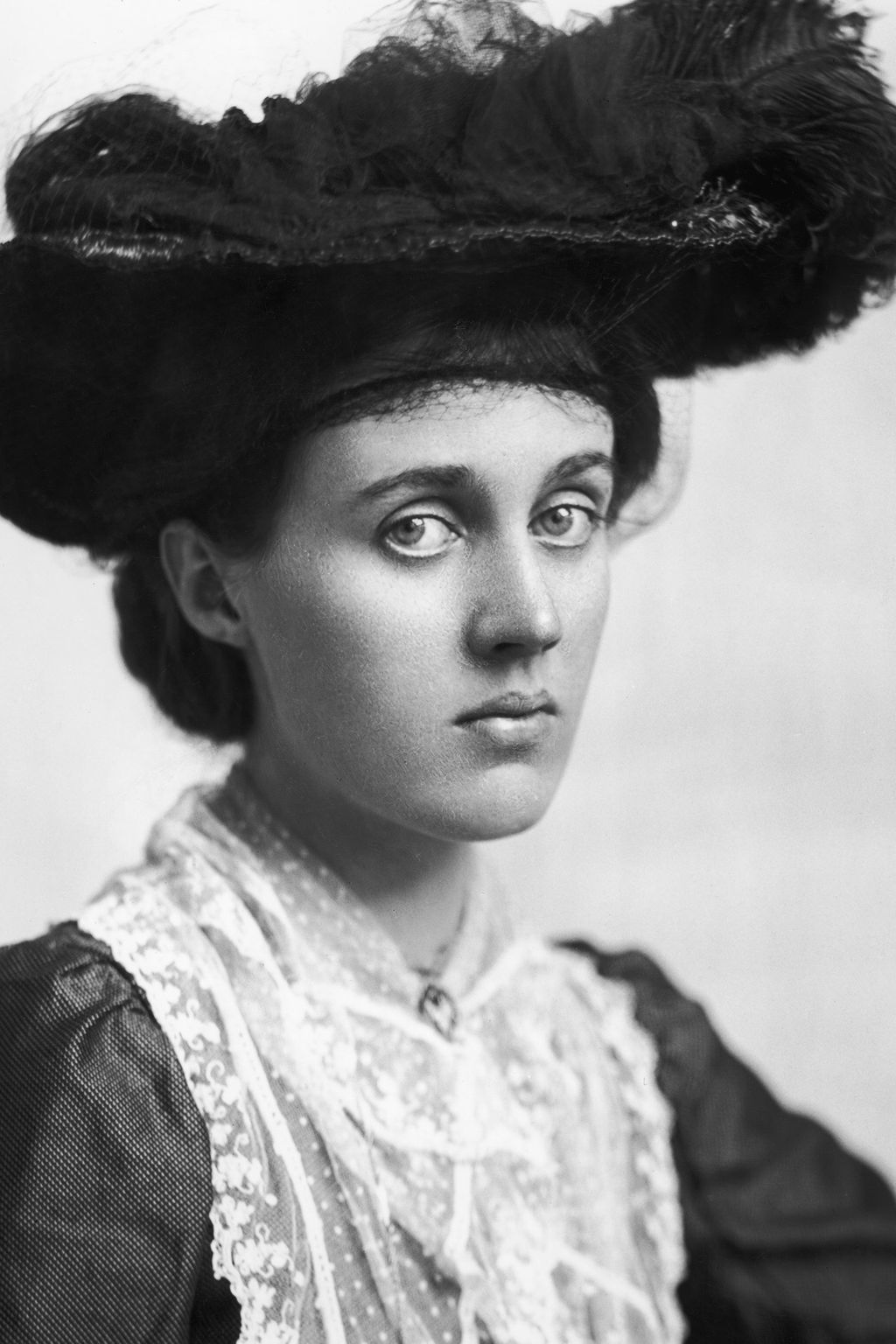
Vanessa Bell (1879-1961)
Who’s Vanessa Bell? This question may still trouble a few, but in the wake of fictional portraits of her in two recent novels and in the television series Life in Squares, she is now more widely known as one of the Bloomsbury Group. The older sister of novelist Virginia Woolf, Vanessa herself turned to art, and like Virginia, she, too, found a husband from among their brother Thoby’s Cambridge friends: Clive Bell. But after some three years and the birth of two sons, the couple moved out of a marital relationship into one of lasting friendship, affection and respect.
Bell was noticeably reticent in public and somewhat enigmatic, but in the studio, she could be extremely daring, employing the boldness and simplicity of Matisse. One of the most radical painters of her day, she was also the first in this country to experiment with abstraction, both in her pictures and in her fabric designs.
As her art matured, Bell grew ever more assured in her orchestration of colours, using echoes or repetitions of tone or hue to strengthen the pictorial architecture of each scene. Much of her working life was spent in a creative partnership with the painter Duncan Grant, with whom she had a daughter. He and Virginia were the two people who drew Vanessa back into life after she had a breakdown following the death of her elder son in the Spanish Civil War. After some months, she once again took sustenance from the peace and beauty of Charleston, the Sussex house and garden that she had found in 1916 and where she died in 1961, aged 82.


 Getty Images9/23
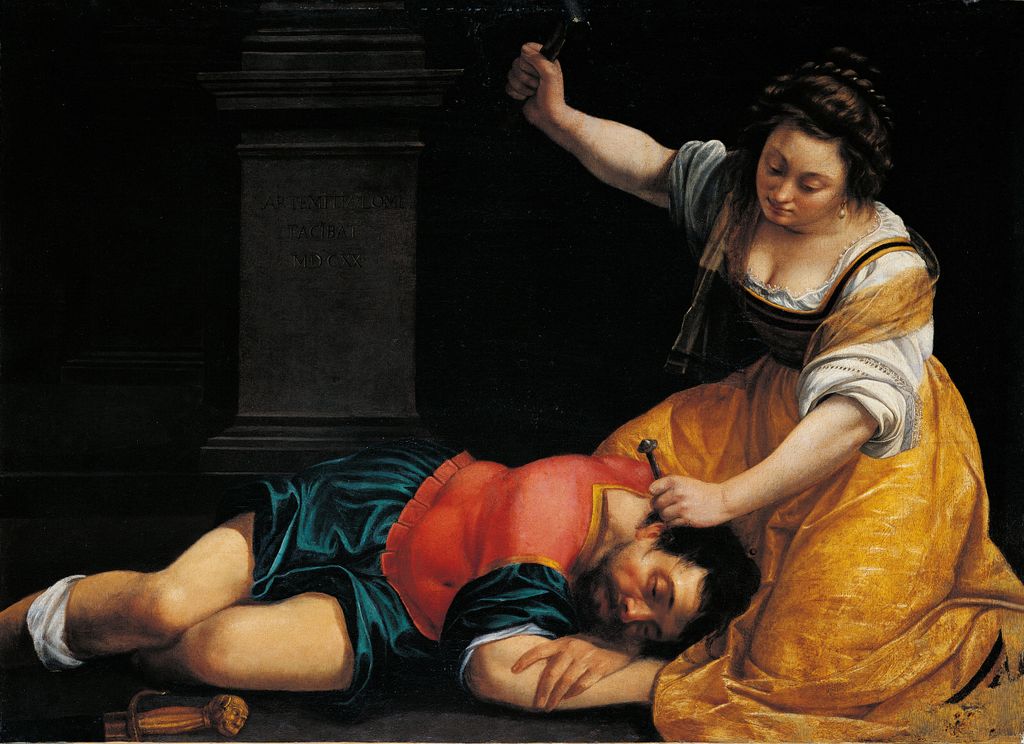
Artemisia Gentileschi (1593-1653)
There are plenty of women in art history who have been woefully overlooked – among their number, at least until recently, is Artemisia Gentileschi. She is without doubt, one of the finest painters of the seventeenth century, but her life story somewhat overshadowed her artistic ability and she was all but written out of later art-historical texts. She was raped by an acquaintance of her father called Agostino Tassi; the case went to trial in 1612 and Tassi was found guilty and banished from Rome. In an era where women’s claims were rarely believed over those of their male counterparts, this was a monumental achievement, but it came at a cost: Gentileschi was publicly tortured during the trial. In 2018, the National Gallery acquired one of her works – shockingly, it was only the twentieth artwork by a female artist to join their collection.
 Getty Images10/23
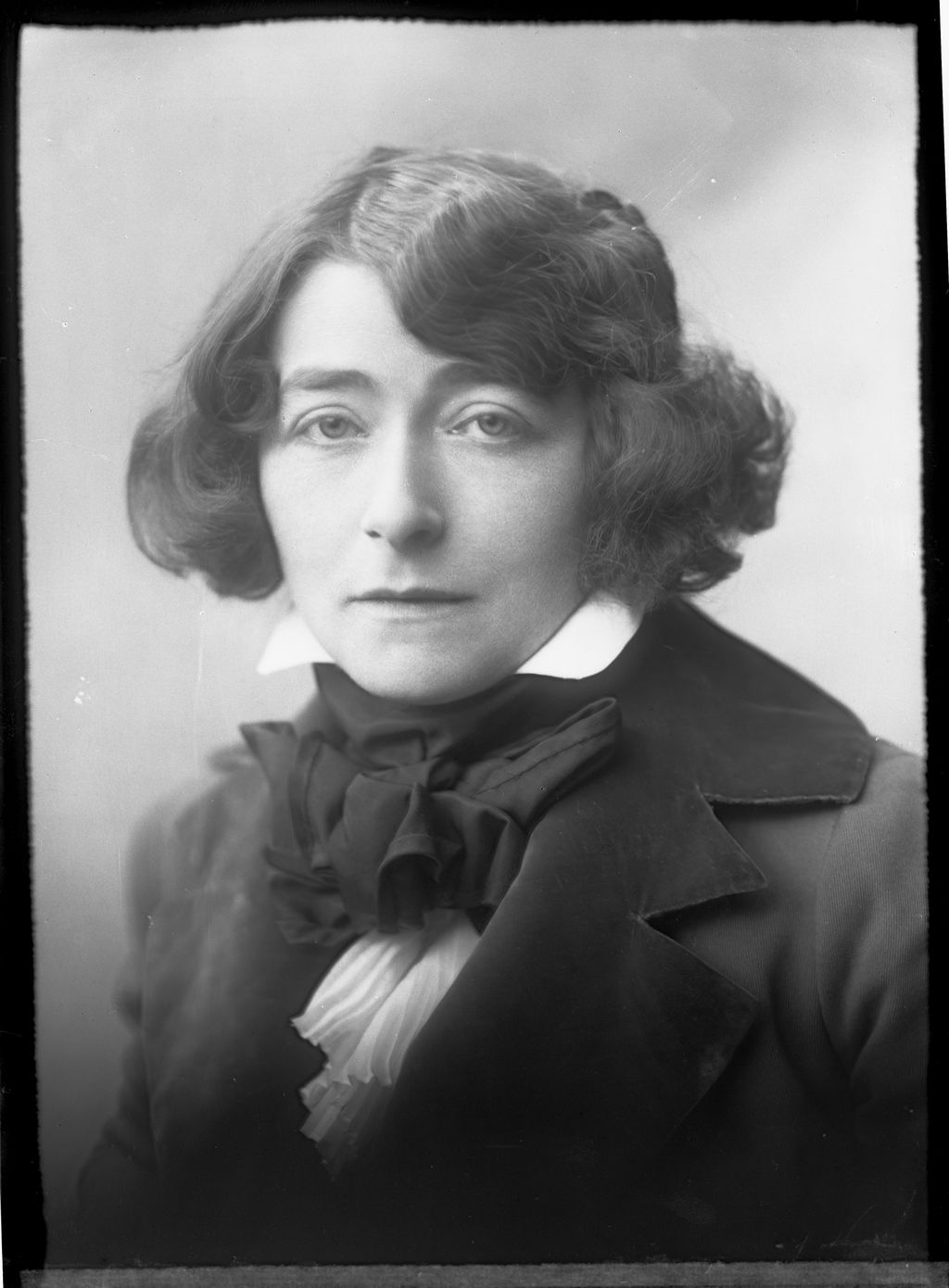
Eileen Gray (1878-1976)
Eileen Gray is always worth mentioning. Her Villa E-1027 at Roquebrune-Cap-Martin is still one of our favourite houses and was the envy of Le Corbusier, who was allegedly so jealous of Gray’s work he built a house just above it on the cliff so he could spy on her! She was a pioneer and could be considered the Amelia Earhart of the design and architecture world at the turn of the century, when women could barely vote, let alone be leaders in their field.
 Getty Images11/23
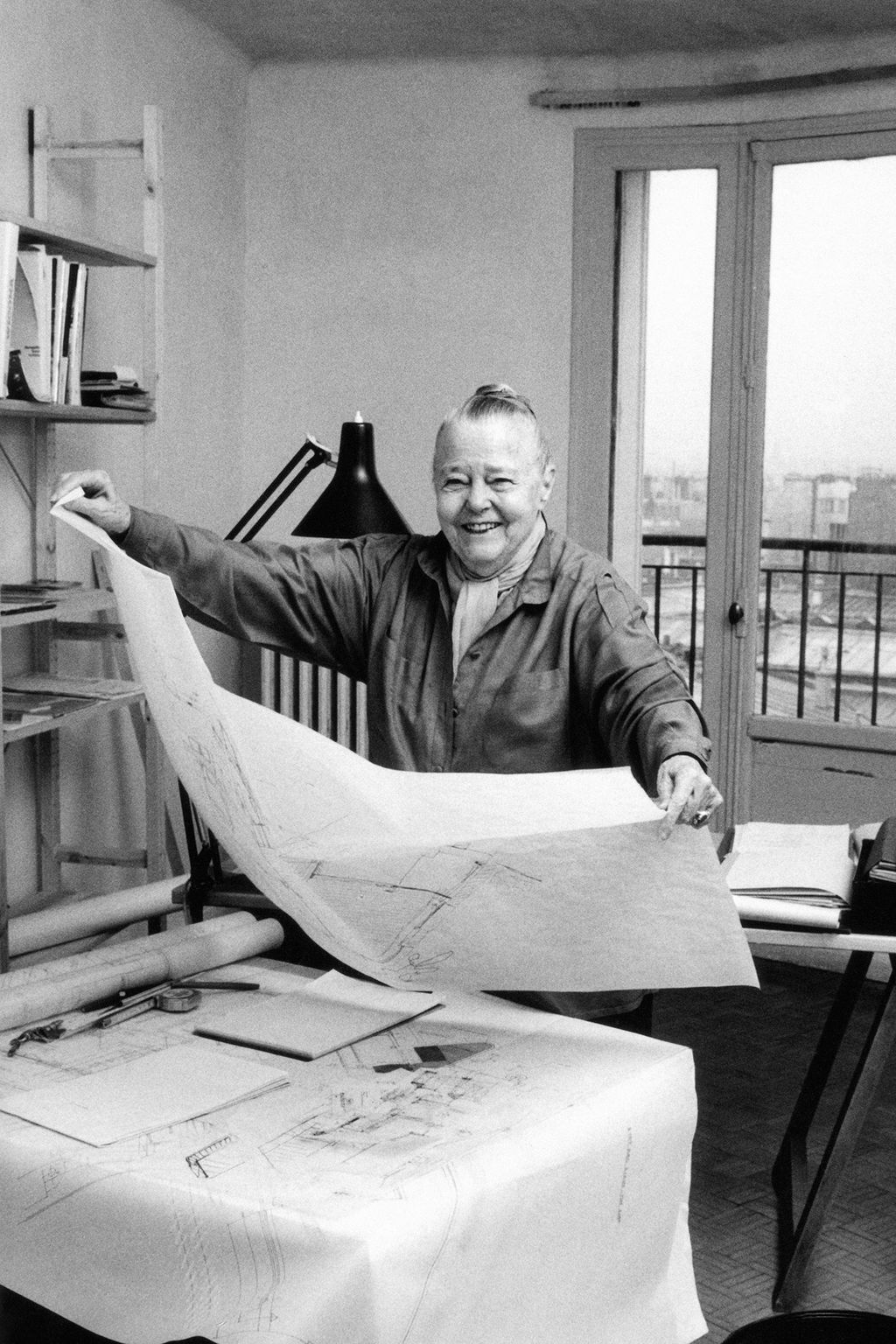
Julia Morgan (1872-1957)
Julia Morgan deserves far more recognition than history has awarded her. Born in 1872, she was the first woman to earn an architect’s license in California. Her blueprints are responsible for hundreds of buildings around the state, including Hearst Castle in San Simeon (probably her best known work). She studied at the École des Beaux-Arts in Paris and after the Great San Francisco Earthquake of 1906, Morgan was called in to rebuild the Fairmont Hotel. The now iconic building was due to open just three days after it was wrecked, and Morgan had it restored, rebuilt and open to the public within a year.
 Getty Images12/23
Charlotte Perriand (1903-1999)
At the start of her career, French designer and architect Charlotte Perriand was famously rejected by Le Corbusier’s studio with the disparaging remark “We don't embroider cushions here.” He later offered her a job. During the 1930s, Perriand was influenced by left-wing politics, which led to a deliberate use of affordable materials. The French designer’s contribution to furniture design emphasised values such as affordability and functionality, and has been characterised as populist.


 Getty Images13/23
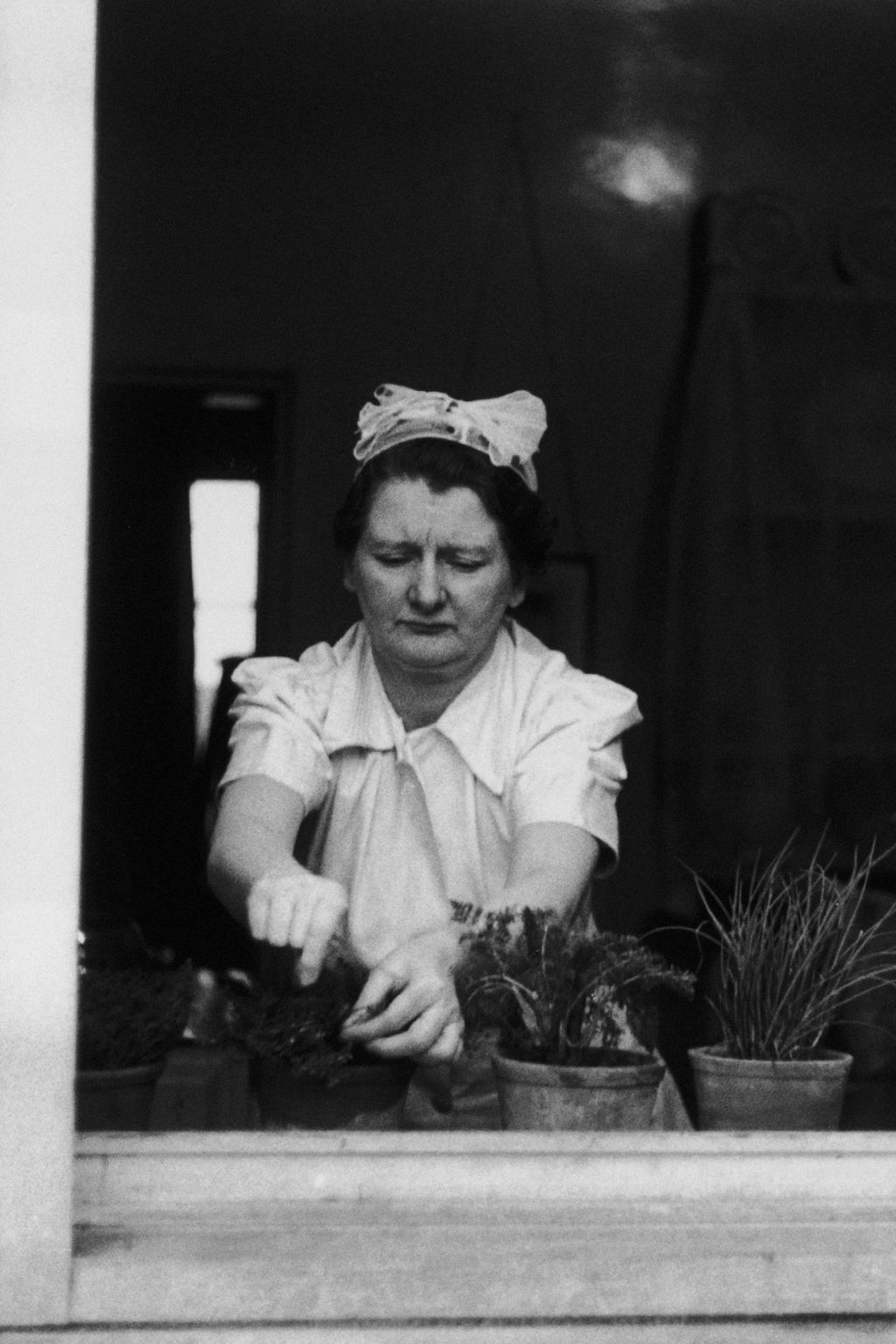
Rosita Missoni (b. 1931)
Rosita Missoni is the matriarch behind the famous Missoni company, which has been creating beautiful textiles since 1953, when Rosita teamed up with her husband Ottavio. Together, they launched and developed a knitwear business in a small workshop in Gallarate, Italy, that has gone on to have worldwide acclaim. At 87, Rosita still plays a key role in developing and growing Missoni’s business.
 Getty Images14/23
Constance Spry (1886-1960)
Constance Spry began her career in floristry teaching flower arranging to teenage factory workers, she gave up teaching to open her first shop, Flower Decoration, in 1929. She gained public attention after creating a spectacular hedgerow display for the window of a perfumery on Old Bond Street. Spry then opened a larger store in Mayfair and continued to grow in popularity publishing her first book, Flower Decoration, and establishing the Constance Spry Flower School. After several royal and aristocratic commissions, Spry’s biggest moment came when she was asked to arrange the flowers at Westminster Abbey and along the processional route for Queen Elizabeth II’s coronation.
 Rex Features15/23
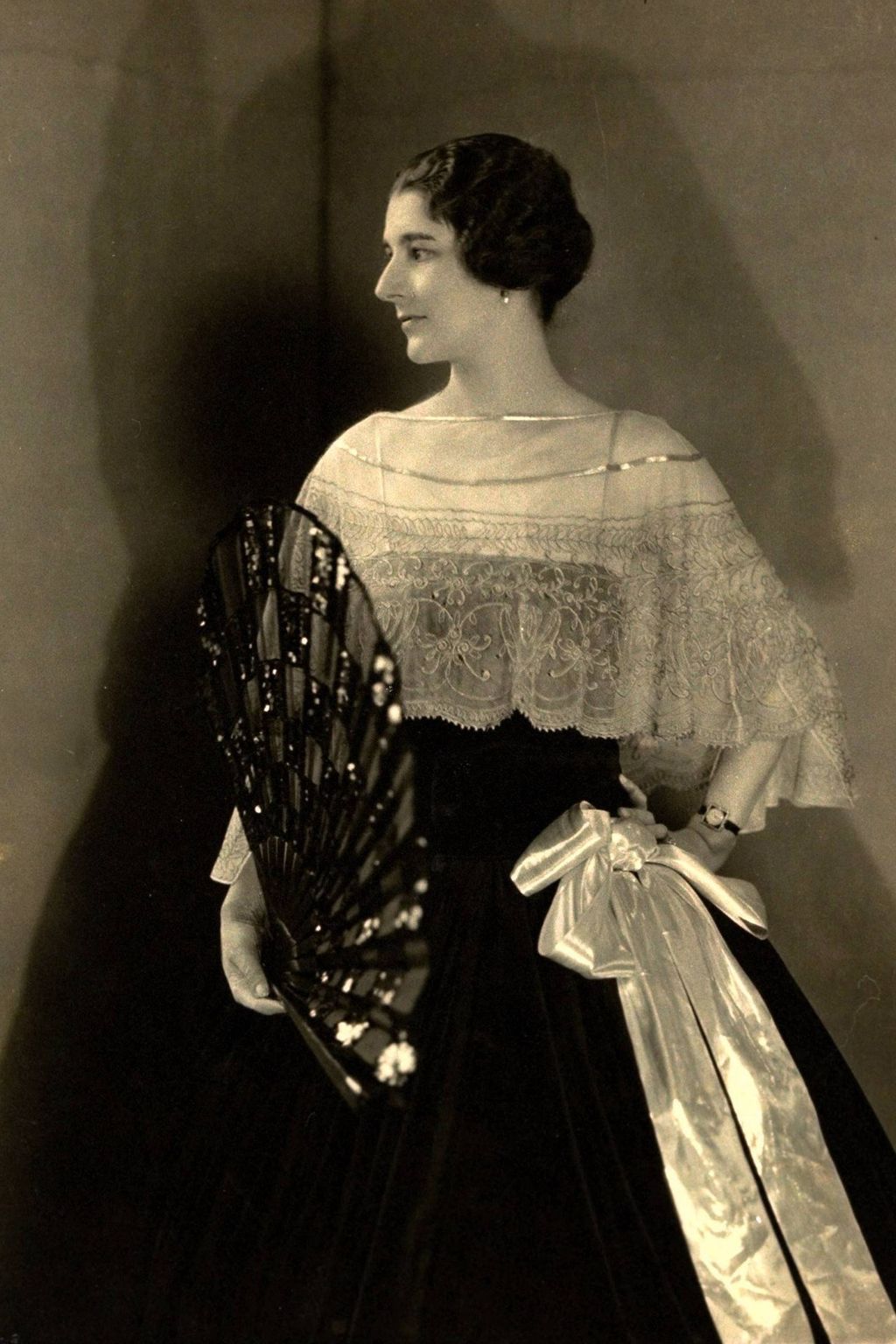
Clarice Cliff (1899-1972)
At a time when most women who worked in factories were paid apprentice wages to take part in one particular aspect of pottery-making, the ambitious Clarice Cliff refused to be satisfied. Cliff began her career as a gilder, adding gold lines to traditional designs, and after mastering the skill she moved on to train in freehand painting, studying art and sculpture in the evenings. Her talent did not go unnoticed, and soon she was set up in a workshop, allowed to paint the imperfect ceramics with her own designs.
Her first design was a pattern of simple triangles in bright colours which she called ‘Bizarre’, and which would later become the name of both her design range and shop. In 1930, Cliff was appointed creative director to Newport Pottery and A. J. Wilkinson, the two adjoining factories that produced her wares. After the war, taste for more traditional pottery reigned, and Cliff began to step back from design, instead supervising production until her retirement.
 Getty Images16/23
Dorothy Draper (1889-1969)
A plethora of fierce female decorators were at work in the USA in the 1930s, leading to something of a golden age for Stateside interior design. Non-conformist and audacious, these women spurred one another on and rewrote the rules of interiors; first amongst these was Dorothy Draper, and she continues to inspire us to this day.
Her punchy use of black, pinks and bright colours, as well as her predilection for stripes, were influences on the Hackney Empire print. And her use of bold scale over floors and walls, best embodied in her foliage-themed carpets, give her work an almost Pop Art feel, decades before the movement began in earnest.


 Getty Images17/23
Ray Eames (1912-1988)
Along with her husband Charles Eames, Ray Eames is responsible for groundbreaking contributions in the field of architecture, furniture and industrial design, manufacturing and the photographic arts. After 1941, Ray moved with her husband to California to work on their range of moulded wood furniture, the most famous example of this being the Eames chair. She also designed 26 covers for creative journal Arts & Architecture, then in the 1940s, she branched out into textile design. Charles once said of his wife, “Anything I can do, Ray can do better.”
 Andrew Montgomery18/23
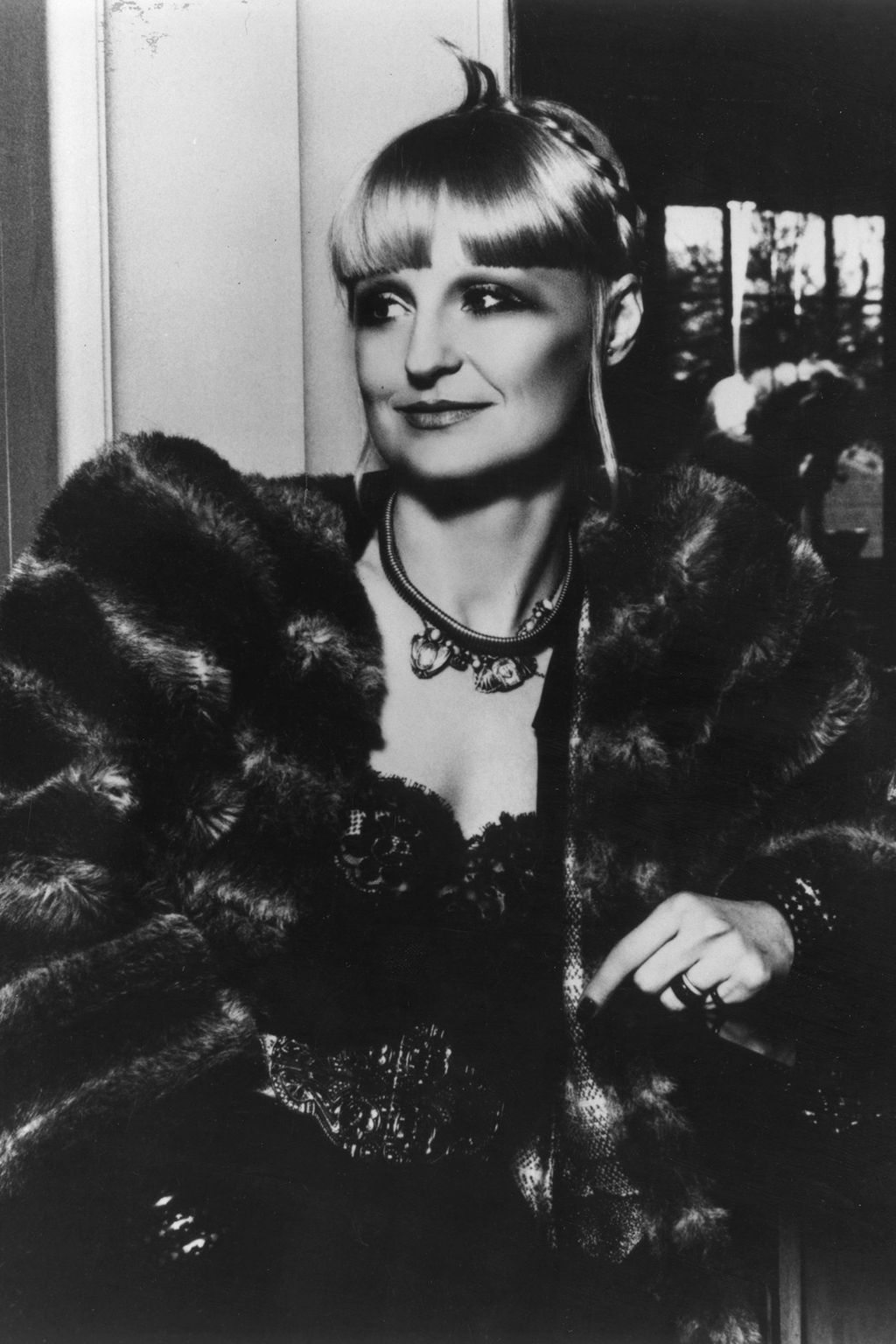
Sarah Price
Sarah Price is a brilliantly original garden designer. She trained in fine art and this shows in her designs, which have a wonderful painterly quality to them. Her work first arrived on the gardening scene in a major way in the form of a small, simple but mesmerising garden she created for the Hampton Court Flower Show in 2006, which won Gold at the show. She has since gone on to create several amazing award-winning show gardens for the Chelsea Flower Show – each one evocative and arresting, with an incredibly stylish and original use of plants. She is highly respected by top garden designers (Dan Pearson and Tom Stuart-Smith are among her fans) and is quietly changing the way gardens are designed through her more individualistic, thoughtful approach to landscaping and planting.
 Getty Images19/23
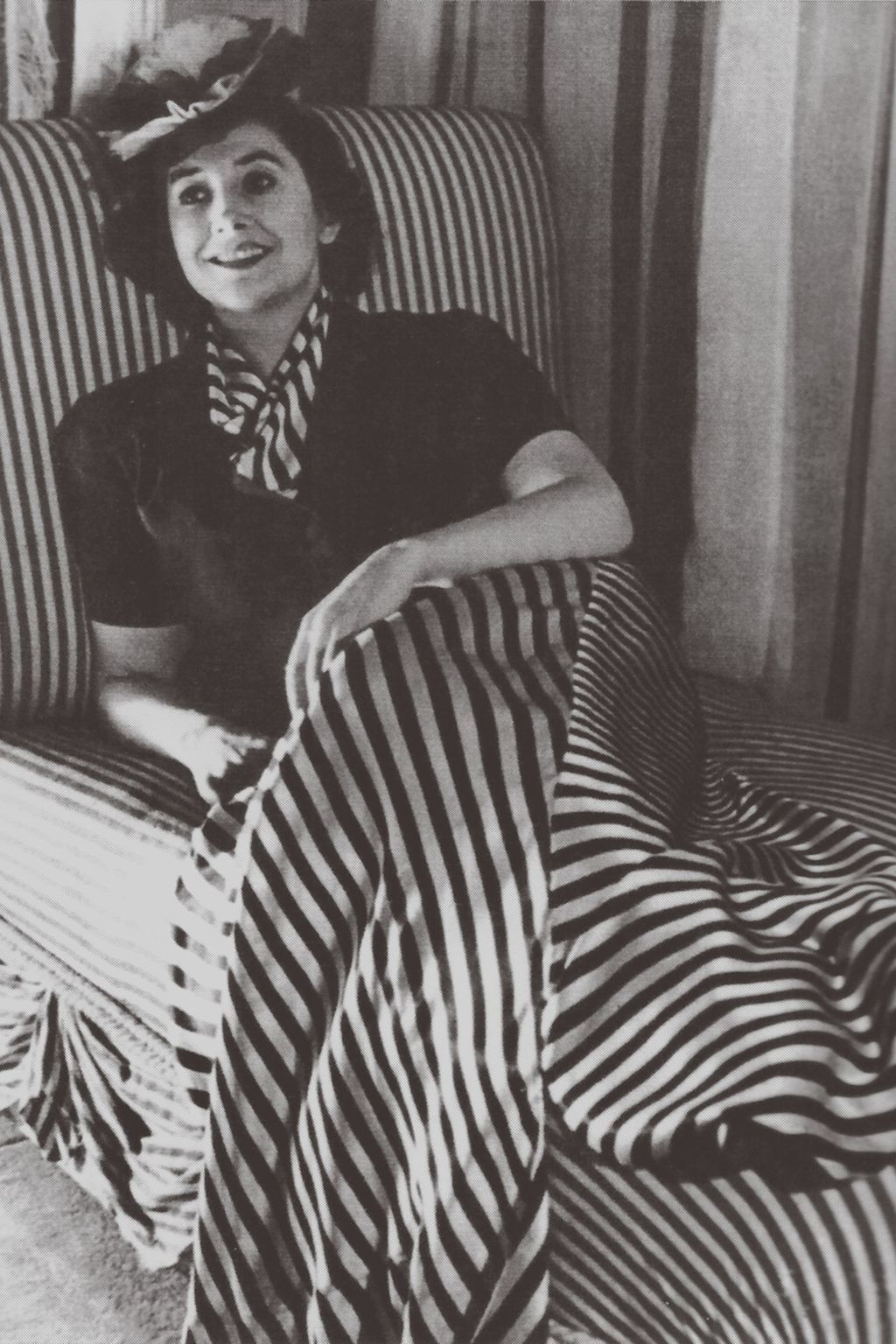
Barbara Hulanicki (b. 1936)
Perhaps known best for her contributions to fashion, Polish-born Hulaniki’s first store Biba became the centre of the 1960s West London youth scene. The Kensington institute was not only a shop, but also a hang out for rock stars, artists and film stars due to its extravant interiors and decadent Art Deco decor – redefining in the process the role of interior decorating in commercial spaces. Hulaniki now designs hotels in Jamaica and the Bahamas, as well as homeware and wallpaper.
 Getty Images20/23
Madeleine Castaing (1894-1992)
Active throughout the 20th century, international interior decorator, antiques dealer and sponsor of artists Madeleine Castaing created a whimsical style of her own that remains iconic today. Castaing’s leopard-print carpet, ‘Tapis’, is among the chicest floor coverings we’ve seen, while her use of colour is bold and inspiring, and she continues to inspire designers like Luke Edward Hall today. Castaing was as wilful as she was visionary; in 1966, she told this magazine that her clients “must let me have my way. If a client wants a boudoir a la Marie Antoinette, I simply say, ‘But, my dear, you are not Marie Antoinette.’”


 Getty Images21/23
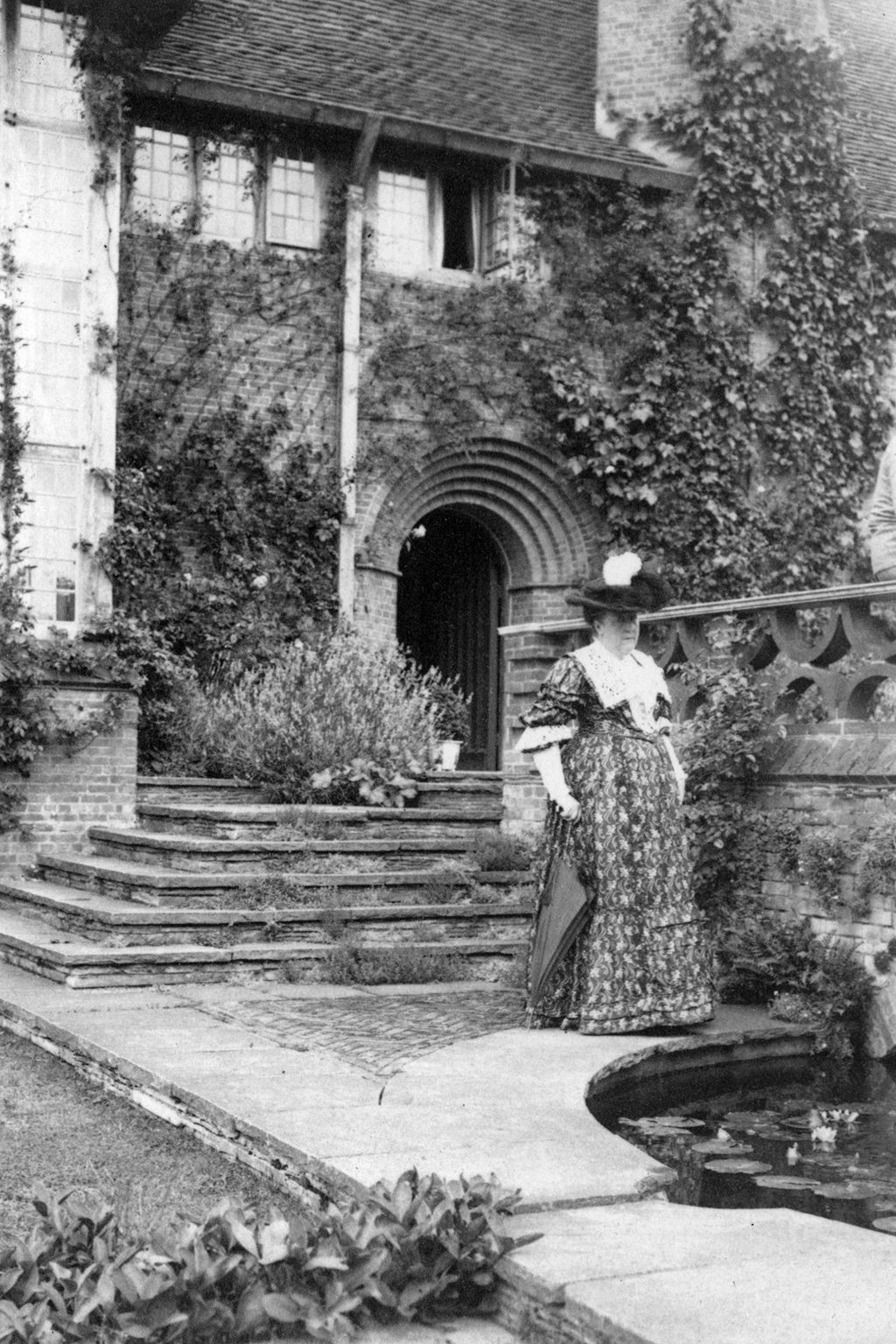
Sister Parish (1910-1994)
Sister Parish found her decorating style when renovating the interiors of her own farmhouse, and in 1933, after the Great Depression, she opened her business, Mrs. Henry Parish II, Interiors. Parish is most famous for her work on Jacqueline Kennedy’s redecoration of the White House, where she redecorated both the private quarters and public rooms, spending the entire $50,000 budget in one week on the private quarters. Under Parish’s influence, a committee was set up to purchase antiques and maintain the historical authenticity of the White House interiors. Hugely influential and distantly associated with design contemporaries Edith Wharton and Dorothy Draper, Sister Parish if often credited with creating the American country style.
 Getty Images22/23
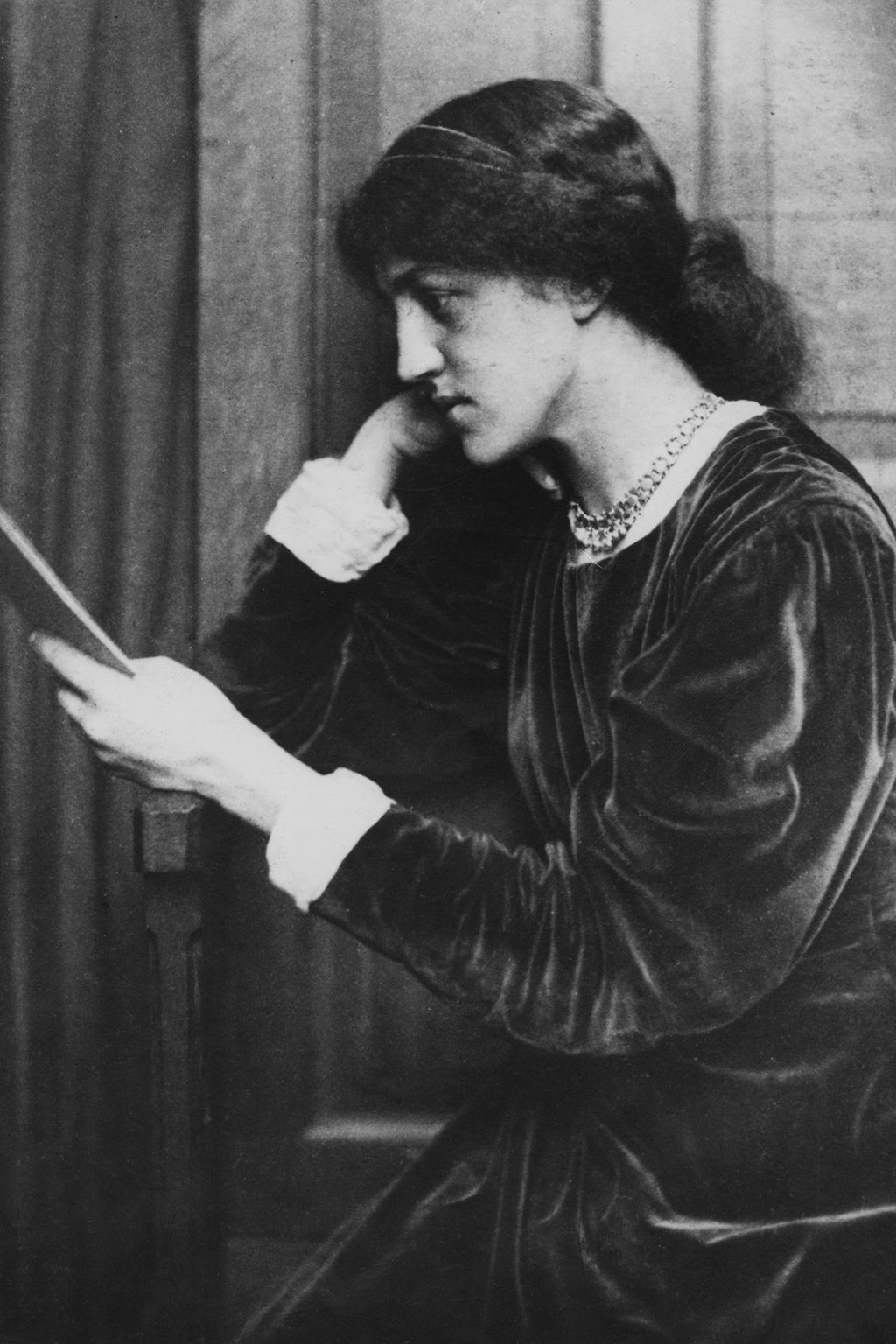
Gertrude Jekyll (1843-1932)
Jekyll was one half of one of the most influential and historical partnerships of the Arts and Crafts movement, thanks to her association with the English architect Edwin Lutyens, for whose projects she created numerous landscapes. Her gardens often featured strokes of colour similar to those in her paintings; her most famous book Colour in the Flower Garden reflected on these designs and instructed readers as to how they might be achieved.
 Getty Images23/23
May Morris (1862-1938)
The daughter of William Morris, May Morris was an influential embroideress and designer. She pioneered free-form embroidery in the style which would be termed “art needlework”, and was involved in the Royal School of Art Needlework, preserving the traditional craft of needlework through apprenticeships.


