
Sliding doors and pocket doors: what's the difference and how do you do them in style?

Sliding doors and their slightly more complex relative pocket doors can be brilliant for when you want a streamlined solution for dividing off rooms, especially in a small space. Since they do not require all the space a hinged opening door would take up, they can work well for, say, a wardrobe in a small room, or the divide between a bedroom or bathroom, or a kitchen and dining room. Even in more generous spaces, they can be desirable when you simply want something less obtrusive than a traditional door.
Sliding doors is a general term covering a lot of different styles, but pocket doors are something quite specific. These doors recede into a cavity or ‘pocket’ built into the walls that surround them, so when they're open, you don't see them at all. A simpler sliding door, on the other hand, is more likely to be mounted on the wall, so you will still see it (at least in one room) when it's open, and it may leave a small slice of the doorway obstructed. Although pocket doors are a much cleaner look, they really need to be considered at the beginning of a renovation, as you will need to carve out space in the middle of the wall for the cavity – they're not something you can easily add in at a later stage. Both kinds of door come in all kinds of styles, from fully glazed options to half-glazed or Crittall styles, wooden panelled doors and characterful reclaimed options. Scroll down to see our favourite design ideas from the House & Garden archive.
 Christopher Horwood1/12
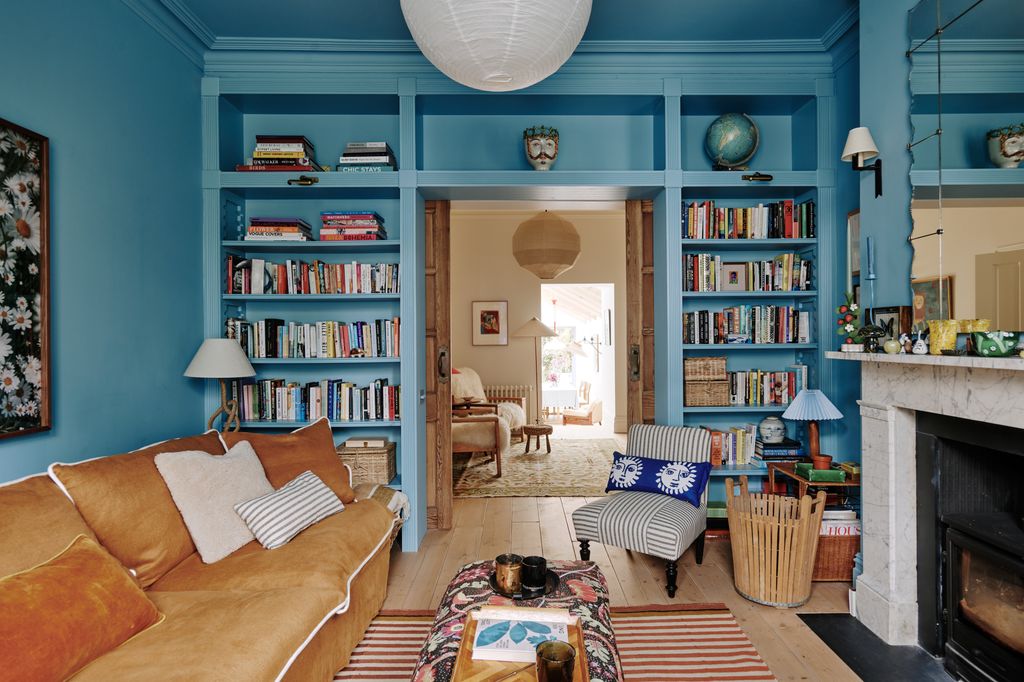
Lucy Williams' west London house is full of clever ideas to steal, including these smart doors that divide the front and middle sitting rooms. Installing bookcases (designed by Buchanan Studio) in this room gives a deep architrave and a dramatic recess for the reclaimed pocket doors which Lucy painstakingly hunted down for the space.
 Christopher Horwood2/12
In this shot you can see how the pocket doors in Lucy Williams' house recede into the gap between the two deep architraves with their smart reeded detail.
 Christopher Horwood3/12
A small room opening off from a hallway is an ideal candidate for a sliding door, as it will take up less space both within the room and outside it. In this west London flat designed by Artichoke, the team reduced the size of a bedroom to add this small study off the dining area, separating it off with an internal window and a half glazed sliding door painted in ‘Studio Green’ by Farrow & Ball.
 Michael Sinclair4/12
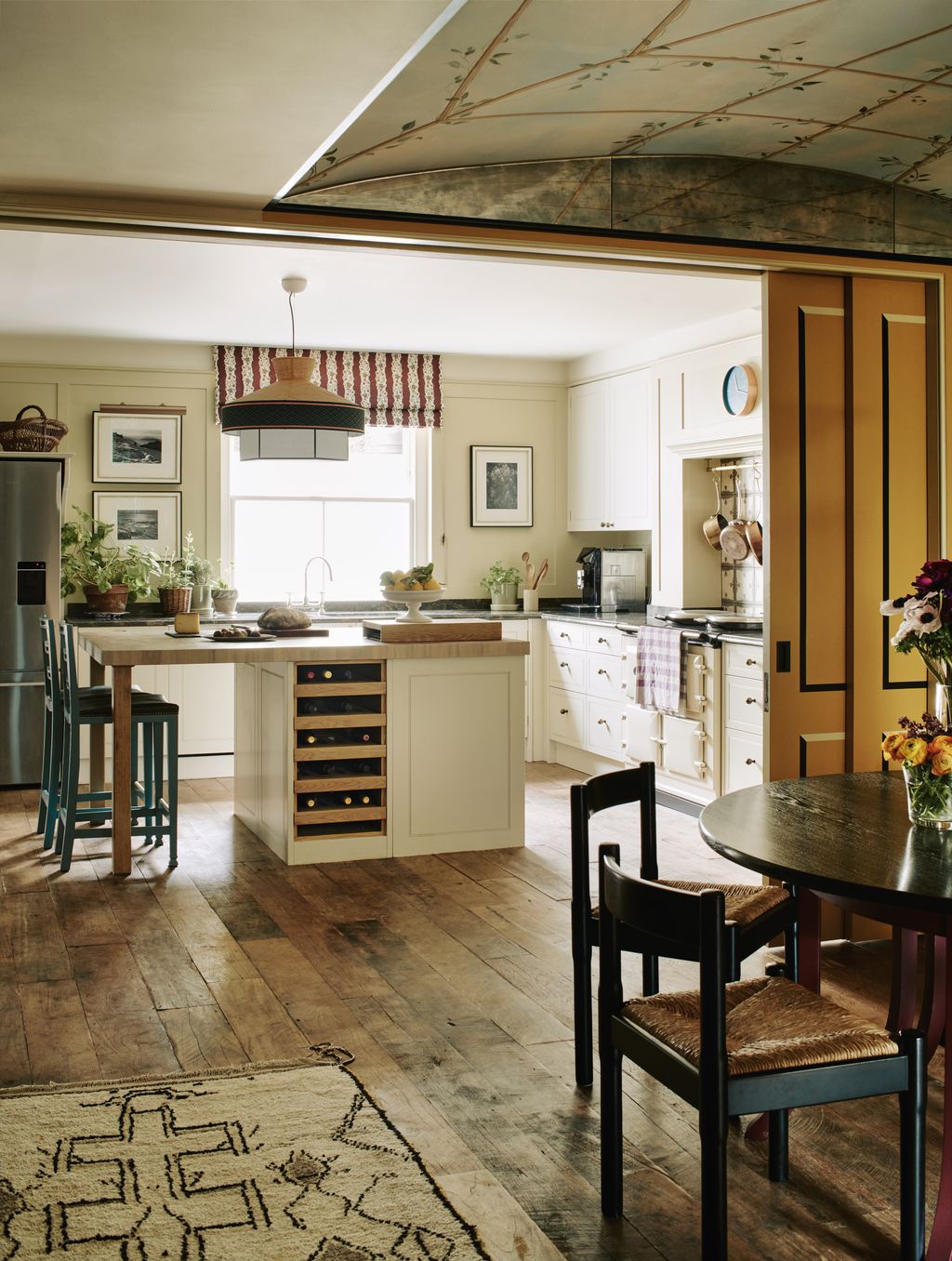
Sliding doors are a great way to be able to divide a kitchen from a dining room while retaining an open-plan feel. In this Kensington house, Lucy Hammond Giles has installed trompe l’oeil painted pocket doors in the basement kitchen to allow the dining room to become a more intimate space for parties, with the mess of the kitchen closed off.


 Sarah Hogan5/12
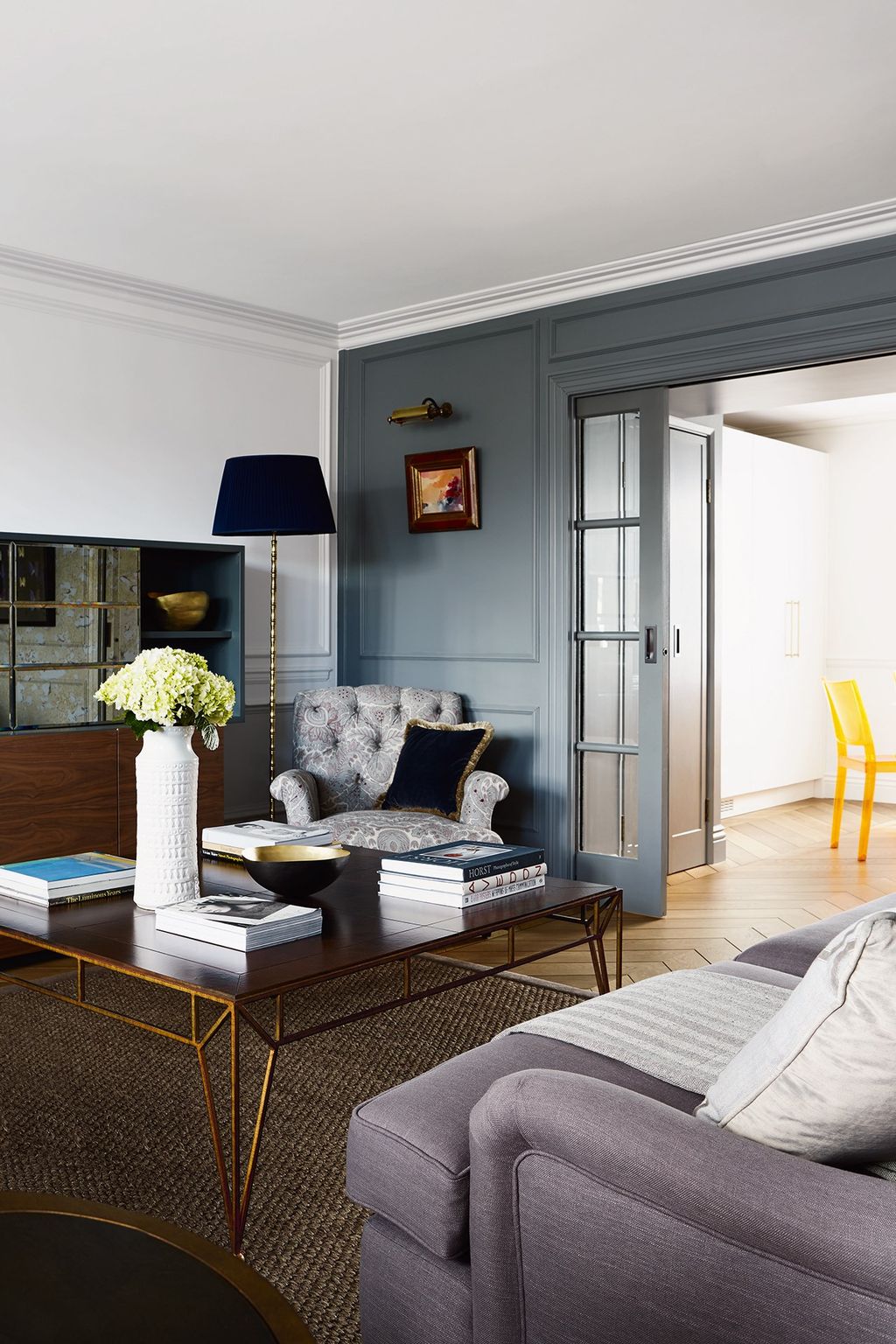
This Holland Park flat by Spencer & Wedekind is full of clever solutions for small spaces. Dividing the kitchen and sitting room is a set of glazed pocket doors, which allows natural light to always fill the middle of the rather deep building. Cleverly, the doors have been positioned to hide the working area of the kitchen, saving the owners from staring at pots to be washed while they relax in the sitting room.
 Jan Baldwin6/12
Pocket or sliding doors are an excellent choice for connecting a room to the garden. Amazingly, the windows on either side of the fireplace here in Wendy Harrop's Victorian house in south-west London are actually bespoke Maxlight pocket doors, which slide into the walls leaving no pillar, allow Wendy and Mel to feel surrounded by greenery year round.
 Chris Horwood7/12
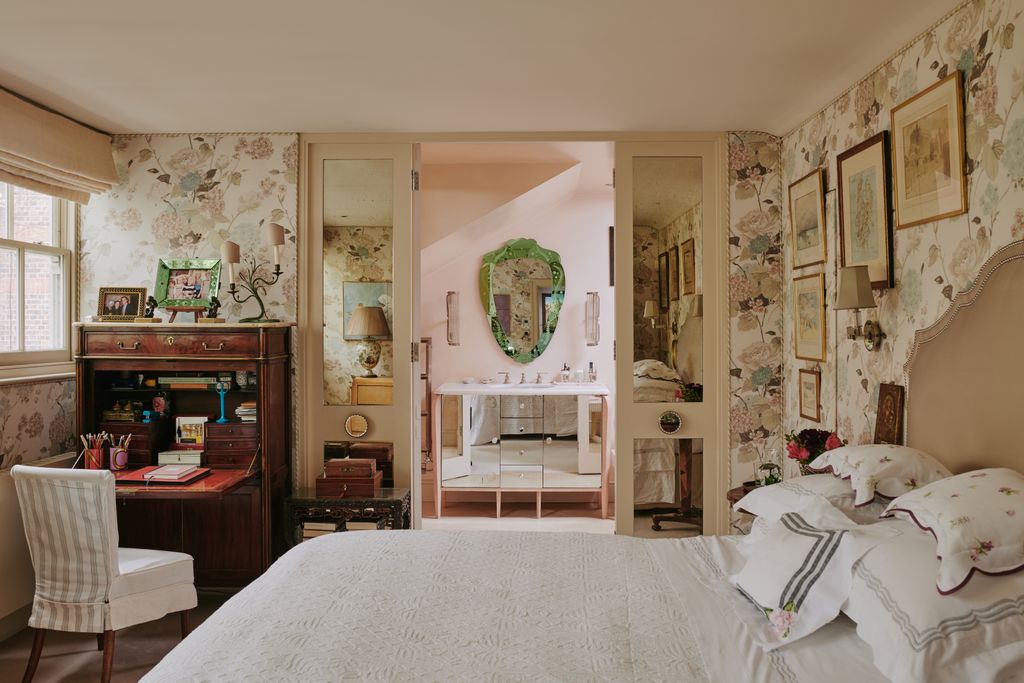
Putting mirrors onto sliding doors can be rather fun, a way both to reduce their visual impact while reflecting back an interesting scene. Nina Campbell has used them in the bedroom of her own house in Chelsea to close off the adjoining bathroom, and we especially love how they extend the impact of the floral wallpaper.
 Chris Horwood8/12
Downstairs in her house, Nina has used an etched glass door to divide the sitting room from the dining room. The fact that it's glass lets the light through, but the etching adds a decorative element.


 Boz Gagovski9/12
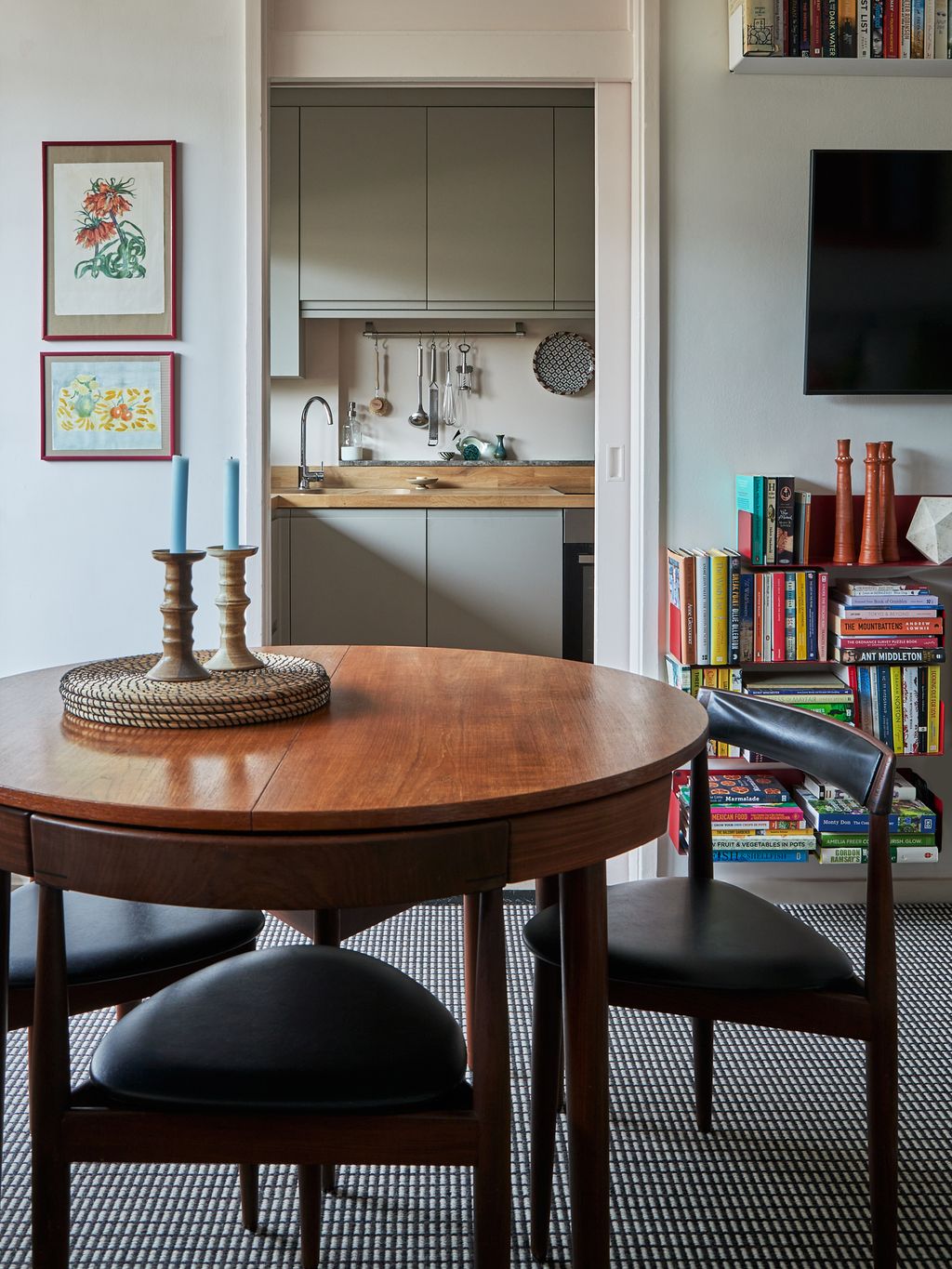
A wall-mounted sliding door (on the inside of the kitchen) was the perfect solution for decorator Sarah Walters' small London flat. It also, as she notes, has a pleasingly old-fashioned feel, reminding her of her grandmother's house.
 Sarah Hogan10/12
'The proportions of these houses are not particularly good, they are a little too tall and a little too narrow' says interior designer Cindy Leveson of the hallway of this nineteenth-century house designed in collaboration with Holloways of Ludlow. The rooms have been opened up and the hall wall removed and replaced by almost invisible sliding doors, which disappear into deep reveals. The elegant, painted corner cupboard opens to reveal a practical space for coat and boot storage - simple but brilliant.
 11/12
11/12A concealed wardrobe with a sliding door is the perfect solution for smaller bedrooms, where traditional hinged doors can cause an obstruction. The lights here are from Emery et Cie.
 Sharyn Cairns12/12
In this London house designed by Suzy Hoodless the sliding wardrobe doors of the children's rooms have been painted with a custom-designed mural. Click below for our favourite resources for a similar look.


