
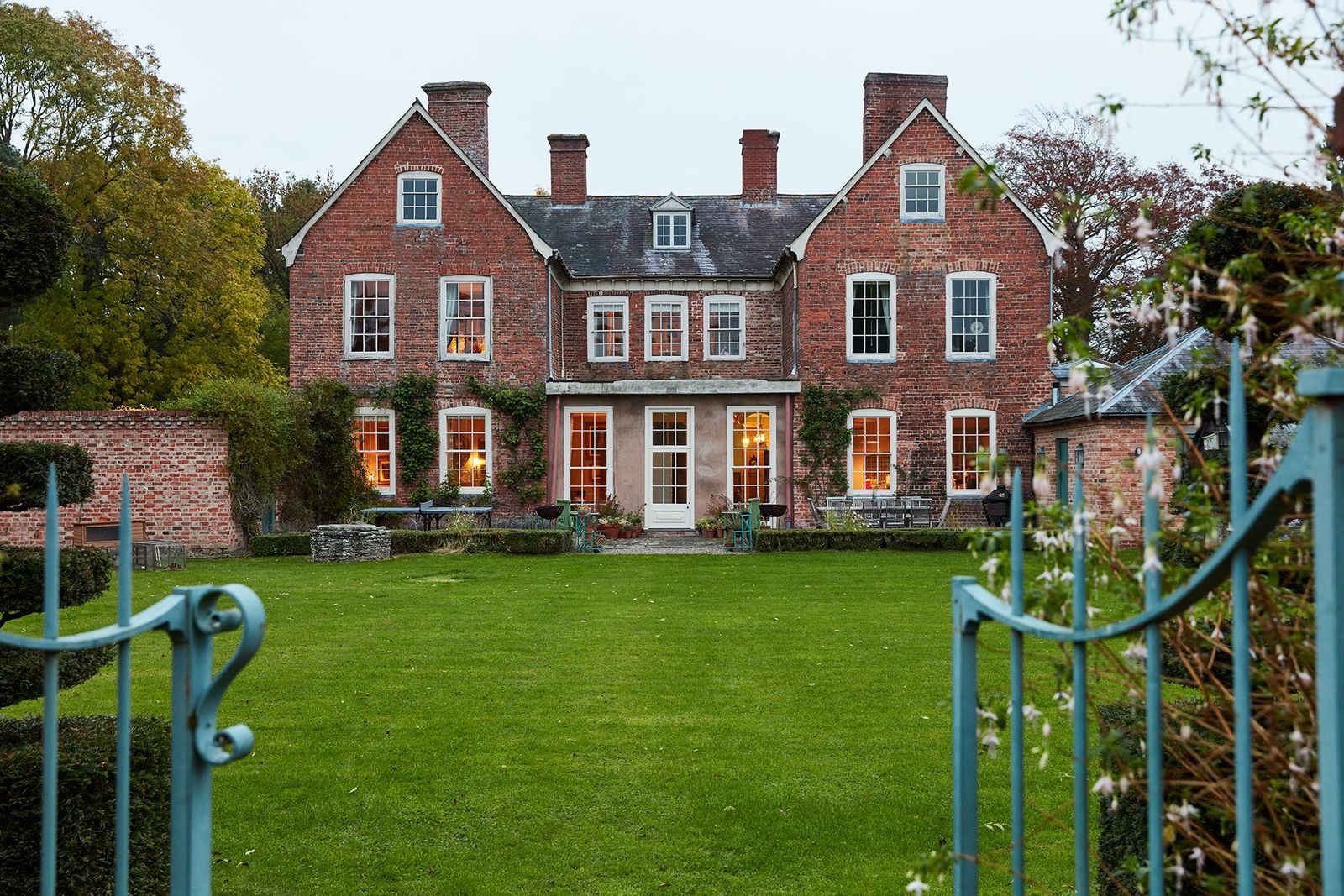
Living in a period house, as so many of us here in the UK do, comes with a certain amount of responsibility. While some historic houses are listed, meaning that their unique and original characteristics have to be preserved and there are limits on the new elements that can be introduced, vast swathes of this country's housing stock have more modest connections to the past that are still worthy of preservation, but without any firm rules about what and how much should be kept the same. When we buy a Victorian or Georgian house of this type, or even a modernist flat, we are arguably becoming stewards of that house's history and taking on the responsibility for how much of it is retained.
There are decisions to be made about what to preserve and what to change in the name of modern life, or, often, in the case of houses that have been modernised by previous owners, what to restore to its former glory. These can be tricky decisions – most of us want the charm of history without being constrained too much by the past. We asked Dr Anna Keay of the Landmark Trust and architectural historian Edward Bulmer to impart their wisdom, tips, and resources so that you can make the best decisions for your house.
Before you get to know your house, you need to get to know yourself as a potential steward. ‘You need to think about whether it’s truly the house that you want, rather than wishing it were another house,’ says Anna. ‘It’s a bit like a marriage,’ she continues. ‘If you’re marrying someone and think, “like some things about them, but I want to change all these other things about them,” chances are it’s probably not a very good idea to marry them!’ In other words, if you’re buying a historic house with the intention of changing everything, then maybe ask yourself if that house is truly for you.
‘If you’re going to buy a preexisting building, buy it for the right reasons and understand it,‘ Edward adds in agreement. ‘There are many types of buildings that may not have a place in a book of architecture, but they have a huge place in a book of social history.’ Those cast-iron fireplaces in your Victorian terraced house, the slightly sloped floors of your vernacular cottage, those wavy windowpanes that let in a bit of winter’s chill; those are all elements of the biography that is your home, and a new owner must decide if they want to be the person that adds or removes chapters from that biography.

Once you get to know yourself as a potential steward, then you should get to know your house. ‘To understand is to appreciate,’ says Anna, ‘and if you can really come to grips with the history to begin with, it gives you a better relationship with (and understanding of) your house.’ Doing a bit of research can give you a completely new appreciation of your house. Maybe you aren’t a fan of the Lincrusta wallcoverings that go up your stairs, but perhaps seeing a photograph of the owners who installed them in the 1880s might add some sentimental and historic value. ‘I think it is our duty not to do things out of ignorance,’ Anna continues, ‘and in your research, you must consider who it was built for, what sort of world they inhabited, and what styles were popular at the time. This is what allows you to make sense of what you have.’
The Conservation Principles, Policies and Guidance handbook by English Heritage (now called Historic England) offers useful terminology and methodology that can help you to get to know your house and its historical and social context. Easily found on Google, the book has a particularly helpful chapter called Assessing Heritage Significance, which helps owners consider all the ways in which their houses and their features add value to the fabric of their surroundings. ‘We have wonderful archives about pretty much everything—including who owned your house at a particular point in its history,’ Anna adds.
She also suggests looking at census records on the National Archives website, as they can tell you how big the household was, what the professions of the owners were, how many children and lodgers they had, etc. You can also take a look at historic maps on the National Library of Scotland’s website, or pop into your local record office to root through records and talk to the staff about local streets and builders of the respective era. In addition to finding out what your house may have originally looked like, who built it, and what little things make it special, you might even make a history buff friend in your local archives.

Once you have done your homework, it’s time to consider your plan of action: how you think your house should be treated after you’ve evaluated its history and significance. Another chapter within the English Heritage handbook, English Heritage Conservation Policies and Guidance, is designed to help owners navigate the treatment of their houses after they have gathered all relevant information. ‘This should give conservation officers and owners a clearer and more explicit set of principles on which decisions and judgements should be made about making changes to listed buildings,’ says Anna, ‘because in the past, it was a frustration for owners that things might be declined without any clear rationale as to why.’
The Americans have an equally-user-friendly way of understanding one’s plan of action via the Secretary of Interior’s Standards for the Treatment of Historic Properties (good preservation practices are a global effort, after all). Also easily found on Google, it’s something worth including in your decision-making process, as it breaks down the treatment of historic homes into four main categories: preservation, restoration, rehabilitation, and reconstruction. It’s a great resource to be used in tandem with English Heritage’s handbook, as these categories can further help stewards understand and decide what approach is best for their home. For example, if your home was unsympathetically renovated by previous owners, then you’d maybe want to take the restoration route, which is when one reinstates missing and heavily altered elements of a historic home. That original plasterwork that your neighbour has in their identical terraced house was likely in yours, as well; why not reinstate it in your dining room?
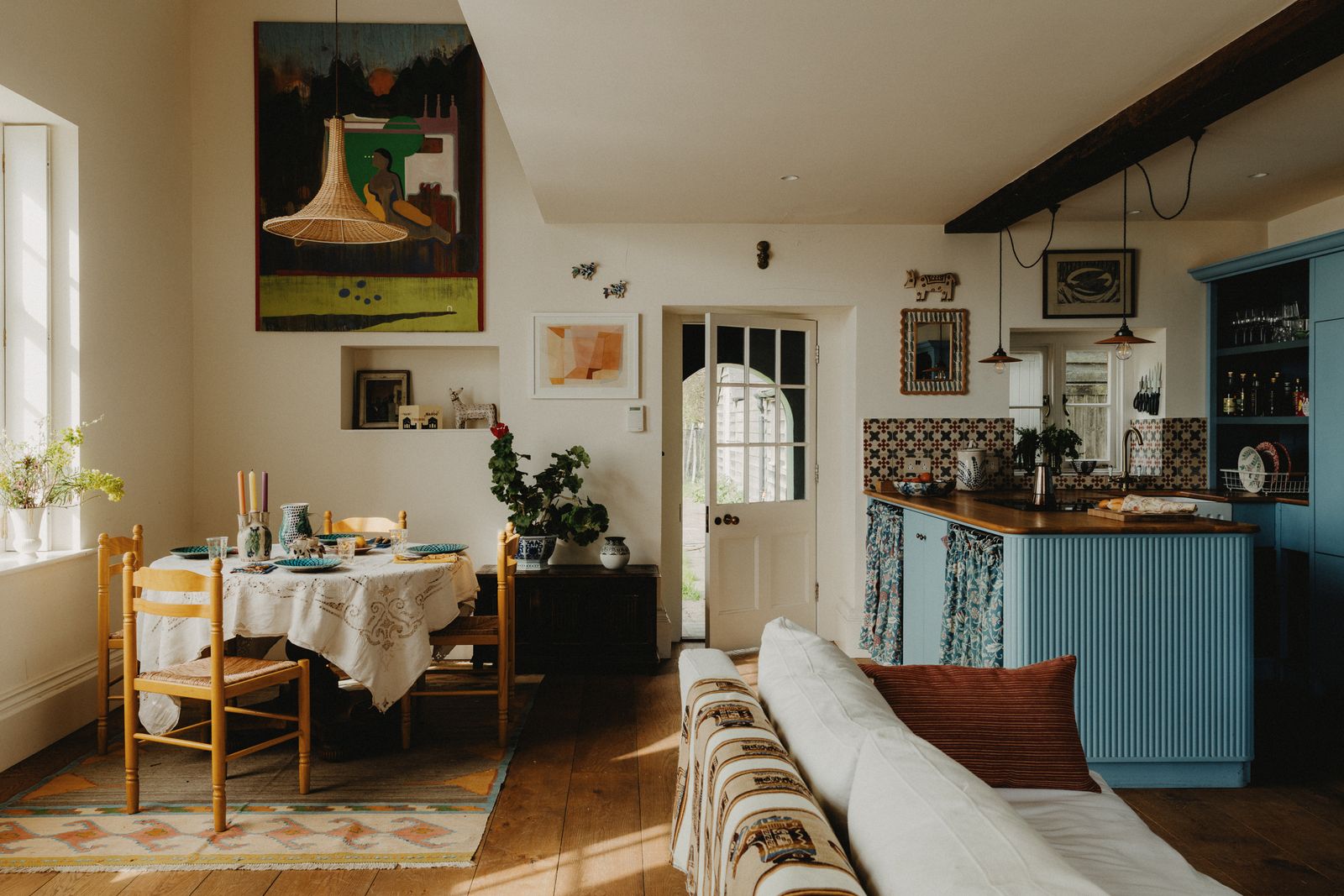
‘There are people at all levels to help you with all of this,’ says Edward reassuringly. ‘Have a really good architect that is known for working with historic buildings,’ advises Anna, ‘and don’t go for an architect that only builds new buildings—they’re going to wish your historic home were different because they just don’t understand historic homes.’ Even from the beginning of your house journey, there are historians who can help you with the history of your house, and then when it’s time to start on your course of action, there are specialty craftspeople, advisors, builders, etc who are all trained to specifically work with historic houses and their very particular needs.
To find specialised craftspeople like plasterers, stonemasons, ironmongers, architects, and even attorneys and surveyors, Anna and Edward recommend perusing the Building Conservation Directory, the Listed Property Owners Club, The Art Workers’ Guild, The List by House & Garden, and the suppliers list on Historic Houses’ website. Also, don’t forget to browse your local architectural salvage shops; they could have the perfect Edwardian tiles for your fire surround in Baron’s Court, or perhaps some reclaimed linenfold panelling for your Tudor cottage in Suffolk.

When all is said and done, your unlisted historic house is yours to treat as you please. ‘Just remember to think about the character of your place, and then about the character of your proposed adaptation and if it’s going with the grain of your building rather than against it. When you rip things out, even if you’re entitled to because your house isn’t listed, you’re making a definitive intervention that prevents anyone from ever seeing the house in that state again— you’re removing the things that tell us about the life that’s been lived in that house, that tell us about the past, about the craftsmanship, and so on,’ Anna says.
‘At the end of the day, I don’t think preservation needs to be a straitjacket,’ adds Edward. While preservationists and preservation enthusiasts (and perhaps the future owners of your home) would love for you to keep as much as possible, that’s just not always a realistic task. If you come across a historic home and love 99% of it, and a minuscule 1% isn’t your taste or fully functional for the 21st century, that’s probably not enough of a reason to pass on that instance of stewardship. ‘On the whole, it’s impossible to preserve everything—even with a coat of paint, you’re changing your space,’ says Edward with a sense of understanding. ‘I think that reversibility is the next best thing to preservation, and if you feel like you must do something like remove original pieces like fireplaces, then crate them up, label them, photograph the room, and provide measured drawings so that you can then show that your work could be reversed.’
Just as no one expects a historic house to be perfect, homeowners certainly aren’t expected to be perfect in their pursuit of stewardship, either. ‘Adding onto and adapting historic houses has happened since the dawn of time,’ assures Anna, and luckily for you, you'll have some sound advice and resources to help you with your historic house journey.


