
At home in Bruton with the ceramicist Richard Pomeroy
Richard Pomeroy might not be a household name, but sharp-eyed ceramics lovers visiting the Somerset market town of Bruton cannot fail to spot his work. His distinctive, brightly coloured mugs and beakers are in the rooms at chic hotel Number One Bruton and on the shelves in the shop at The Newt in Somerset hotel. three miles down the road. His tealight holders impart a gentle glow to the town's renowned At the Chapel restaurant, and his bulb planters and vases are often on display in the windows of Urquhart & Hunt, acting as an attractive advertisement for the local landscape design studio's organic bulbs business.
It is not only in and around Bruton where Richard's work can be seen. His first commission, in 2018, was from Hauser & Wirth for its shop in Los Angeles. 'I could make the pots by then,' says Richard. 'But my packaging and posting skills had not been honed and they arrived in pieces.' He has exhibited at Thyme hotel in the Cotswolds and has had two solo shows at Mayfair gallery Lyndsey Ingram, after the art dealer spotted his beakers in At the Chapel while visiting a friend.
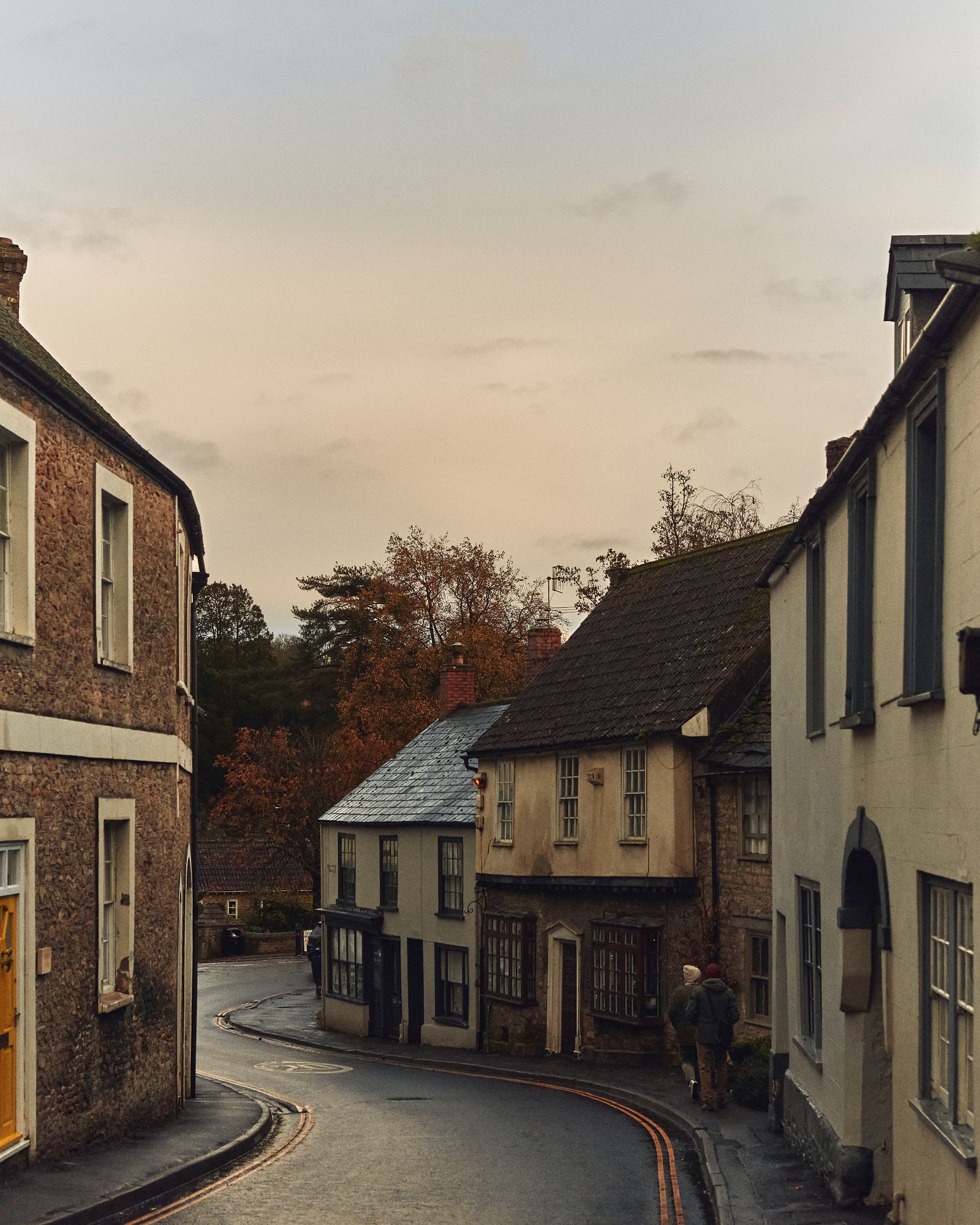
For someone who only started potting in 2015, it has been an exciting journey. It was one that started by chance when his illustrator daughter Tallulah came back from an internship in New York and wanted to continue with pottery having taken classes there. 'As soon as I got my thumbs into the clay, I was hooked,' says Richard. At this point, however, he was a painter, a calling he has had since boyhood. 'At school, teachers gave me the keys to the art block and I'd escape there whenever I could.'
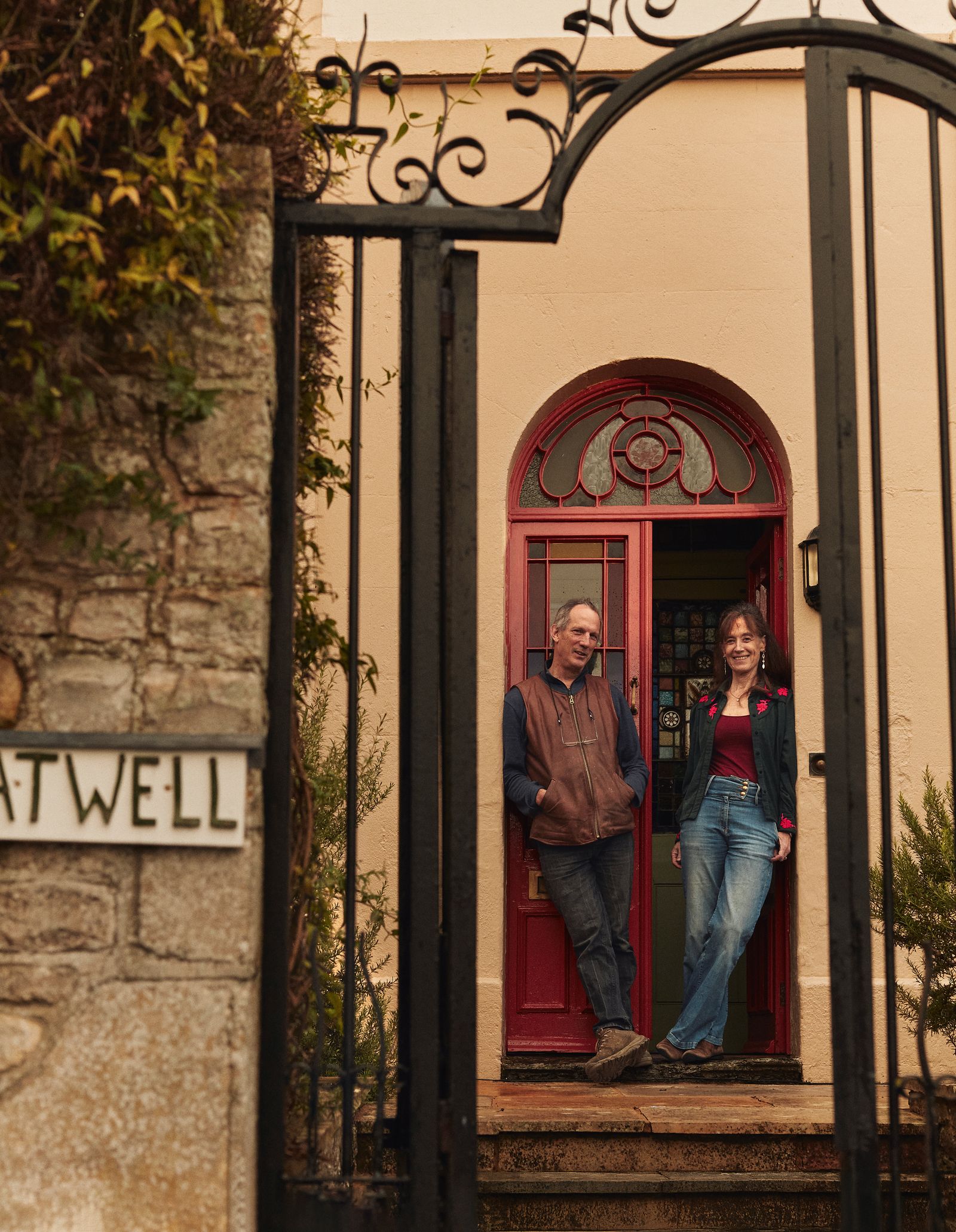
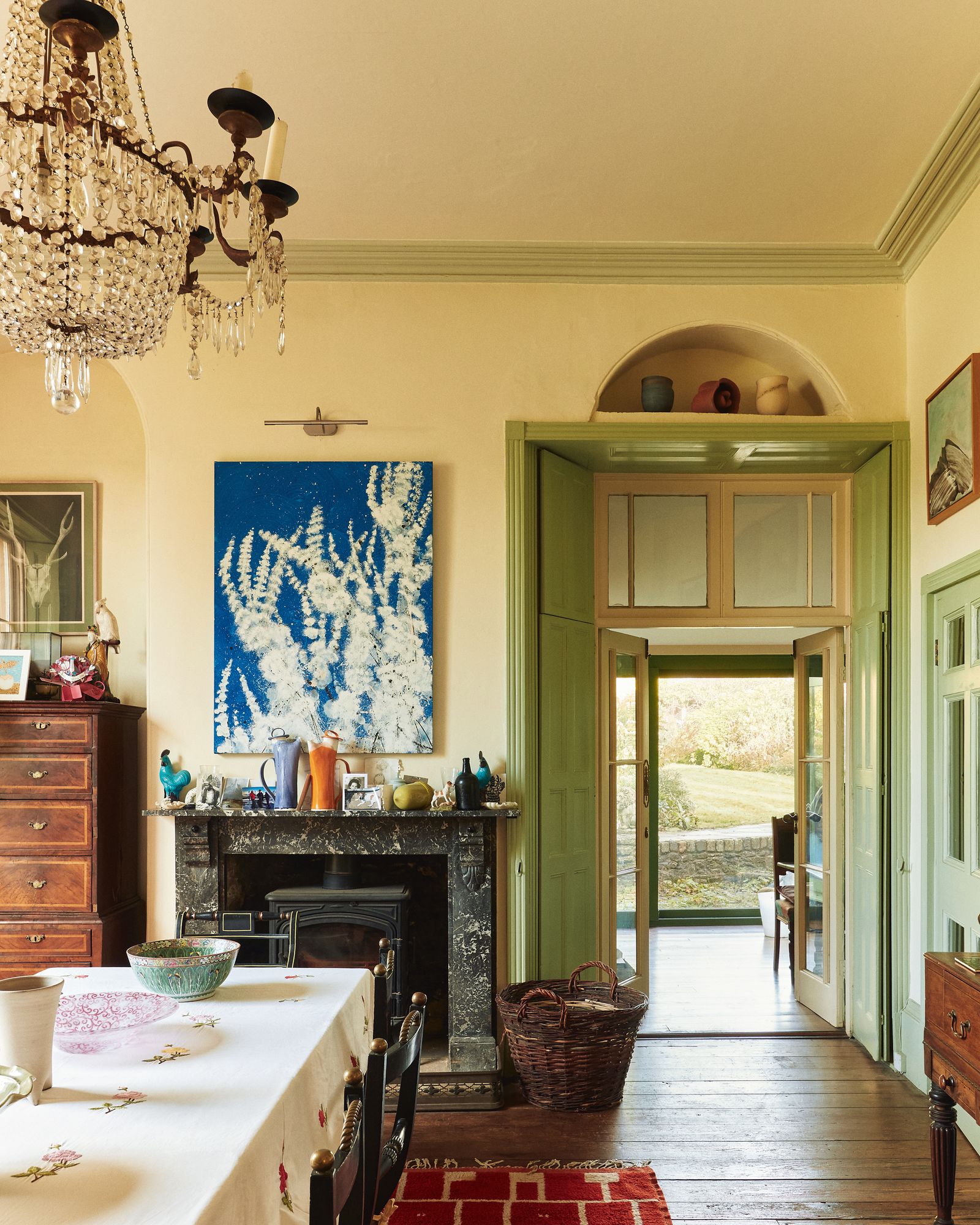
While he was an artist at heart, Richard's early career was in galleries. He worked for Niall Hobhouse, a family friend, for a period, and then Anthony d'Offay, before striking out on his own. His gallery was in a Bermondsey warehouse, but it lasted only two weeks before a spark from a workshop below sent the building up in flames. What it did result in, however, was a feature in Vogue with a 'very cool' photograph by Lord Snowdon. This led fellow art dealer Jayne Purdy to Richard's (by then non-existent) door and the two went into partnership, forming the Pomeroy Purdy gallery. 'Painting was always in the background, but painters need a lot of space,' he says, which was not something that he had in the Stockwell home he shared with his wife, the travel writer Helena Drysdale. 'We met at a dinner party in the 1980s and couldn't stop talking.' On a trip to the West Country to visit both of their parents 22 years ago, Richard and Helena realised that moving there would give them the space they craved. They arranged some viewings and their Grade II-listed Victorian house in Bruton was the last they saw. 'As soon as we walked in, we knew,' says Richard. 'I had always dreamed of living in a field and, while this house doesn't tick that box, it is surrounded by gardens. Whichever room you're in, you're looking out at plants.'
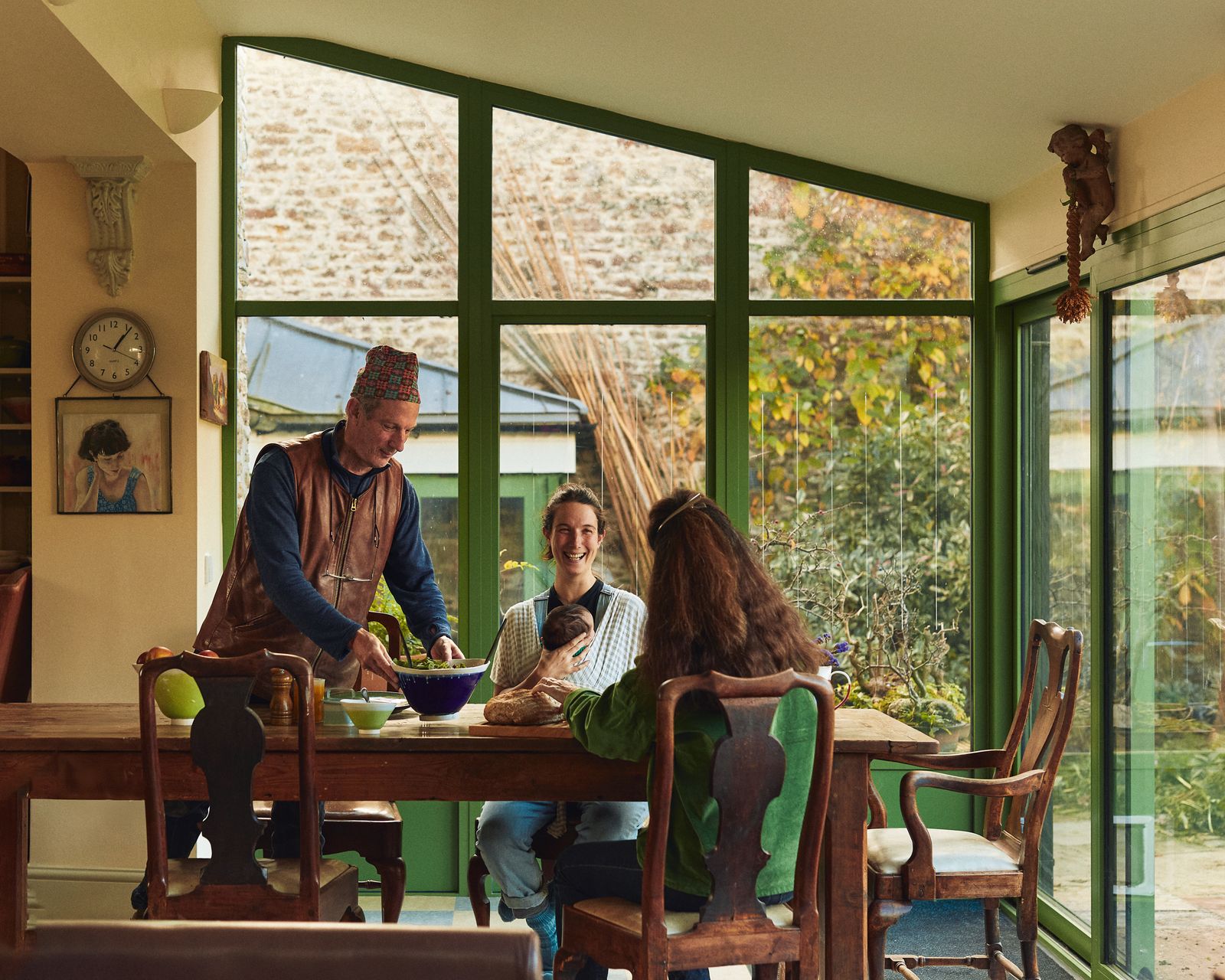
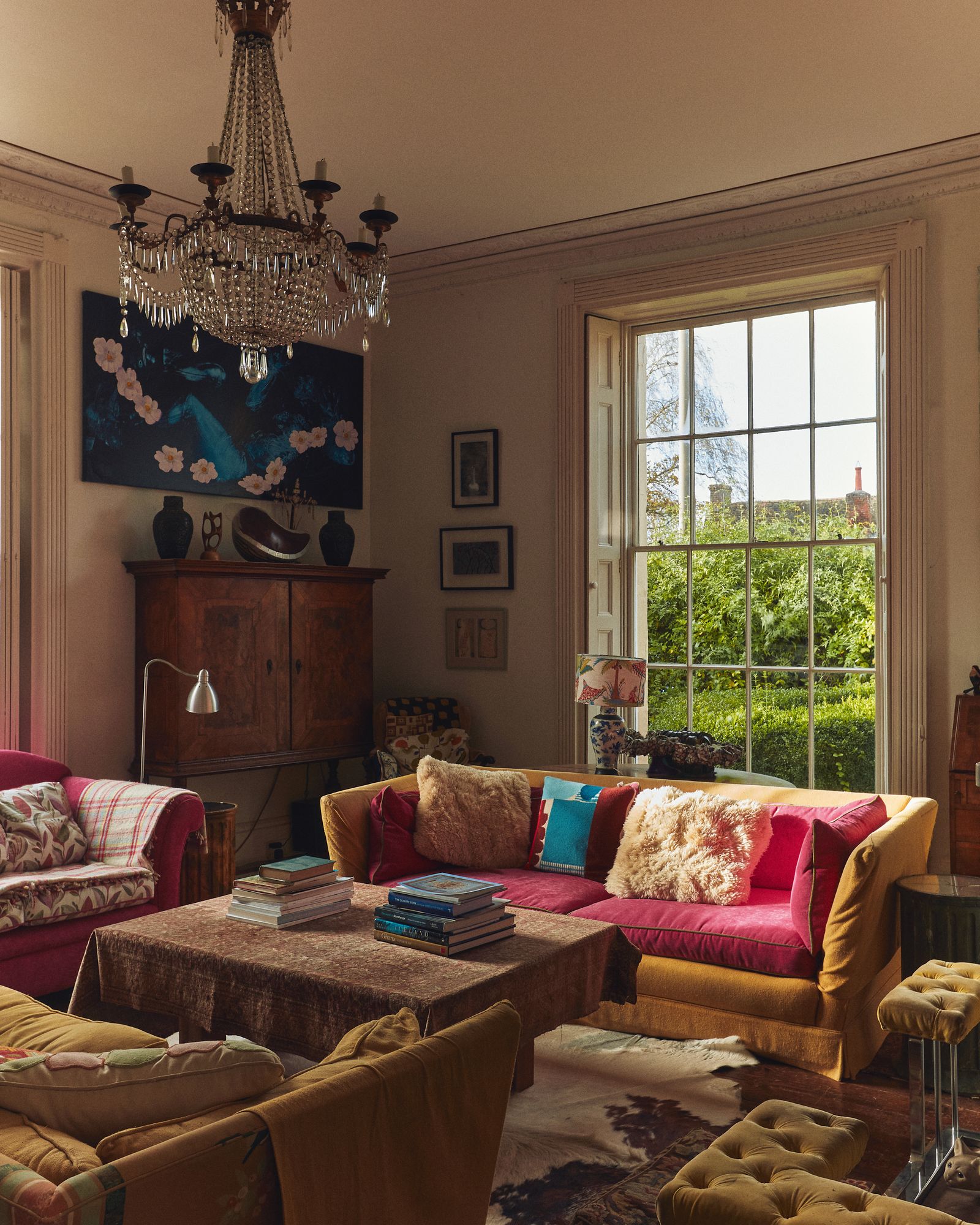
Dating in part from the 16th century, the house had been rebuilt in the 1860s by the local doctor and, a century or so later, word has it, became Somerset's first commune. When Richard and Helena bought the house, antique dealer Peter Murray had been living there for many years. The couple's interventions have been mainly decorative, including installing bookshelves up the staircase and replacing dark green wallpaper with lighter colours to provide a better backdrop for their collection of art and ceramics. The latter includes everything from Japanese bonsai pots and Mickey Mouse mugs to pieces by potter friends Kim Birchall, Philip Wood and Takeshi Yasuda. Antique blue and white porcelain Arita ware bowls also feature, collected by Richard's late grandmother, Viscountess Harberton - a key figure in the movement to free women from crinolines and corsets - about whom Helena is writing a book.
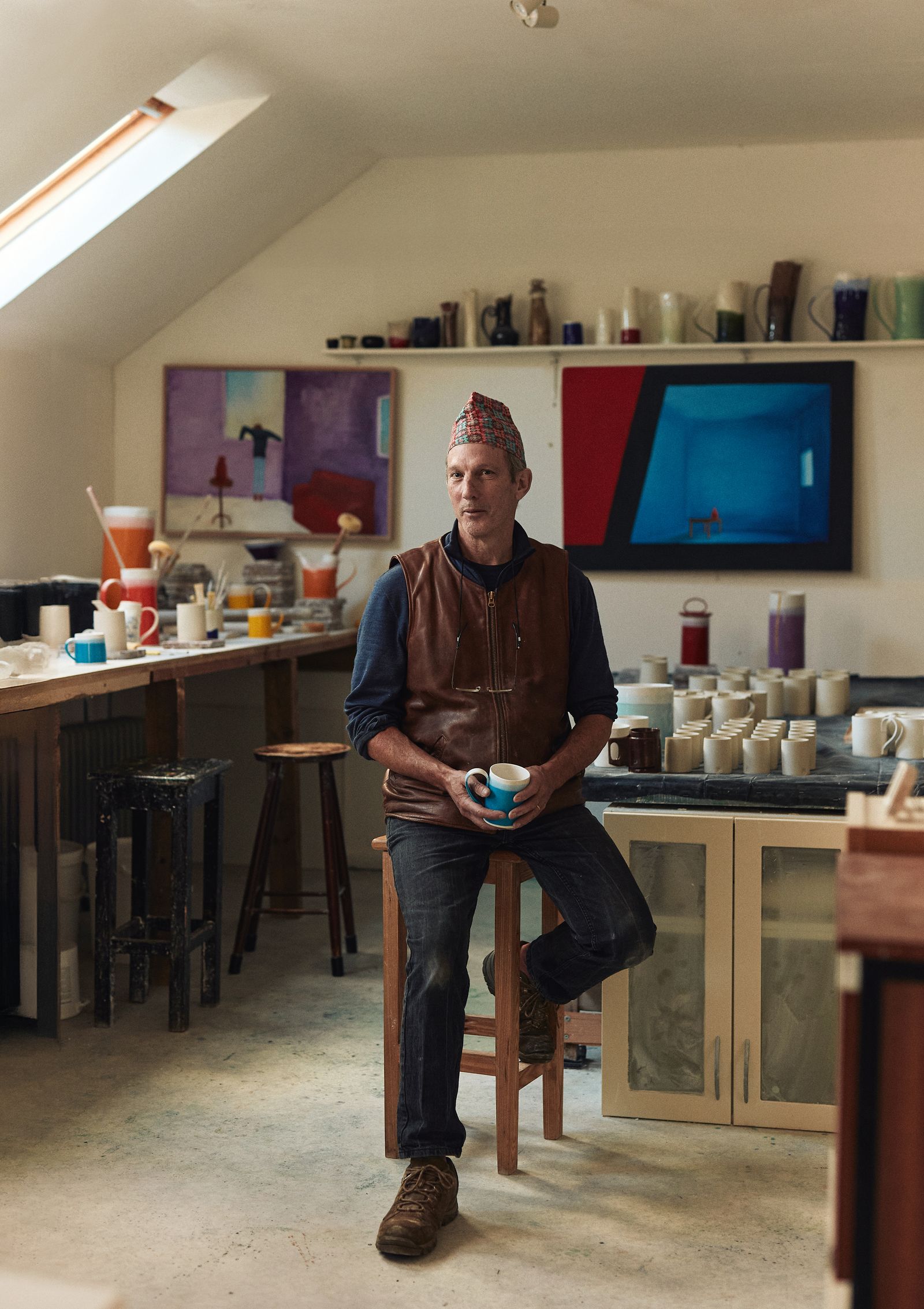
Though it was originally space to paint that Richard sought, the house has comfortably accommodated his growing interest in ceramics. Having built a makeshift studio in the cellar for Tallulah, he converted his painting studio above the garage into a full-blown pottery in 2020, when it was clear that ceramics - particularly usable ones - were more than a passing interest. 'My enjoyment of tea and coffee is part of the reason I make what I do,' he says. 'I don't even think about painting now. Pottery is so absorbing, my creativity is completely satisfied.'
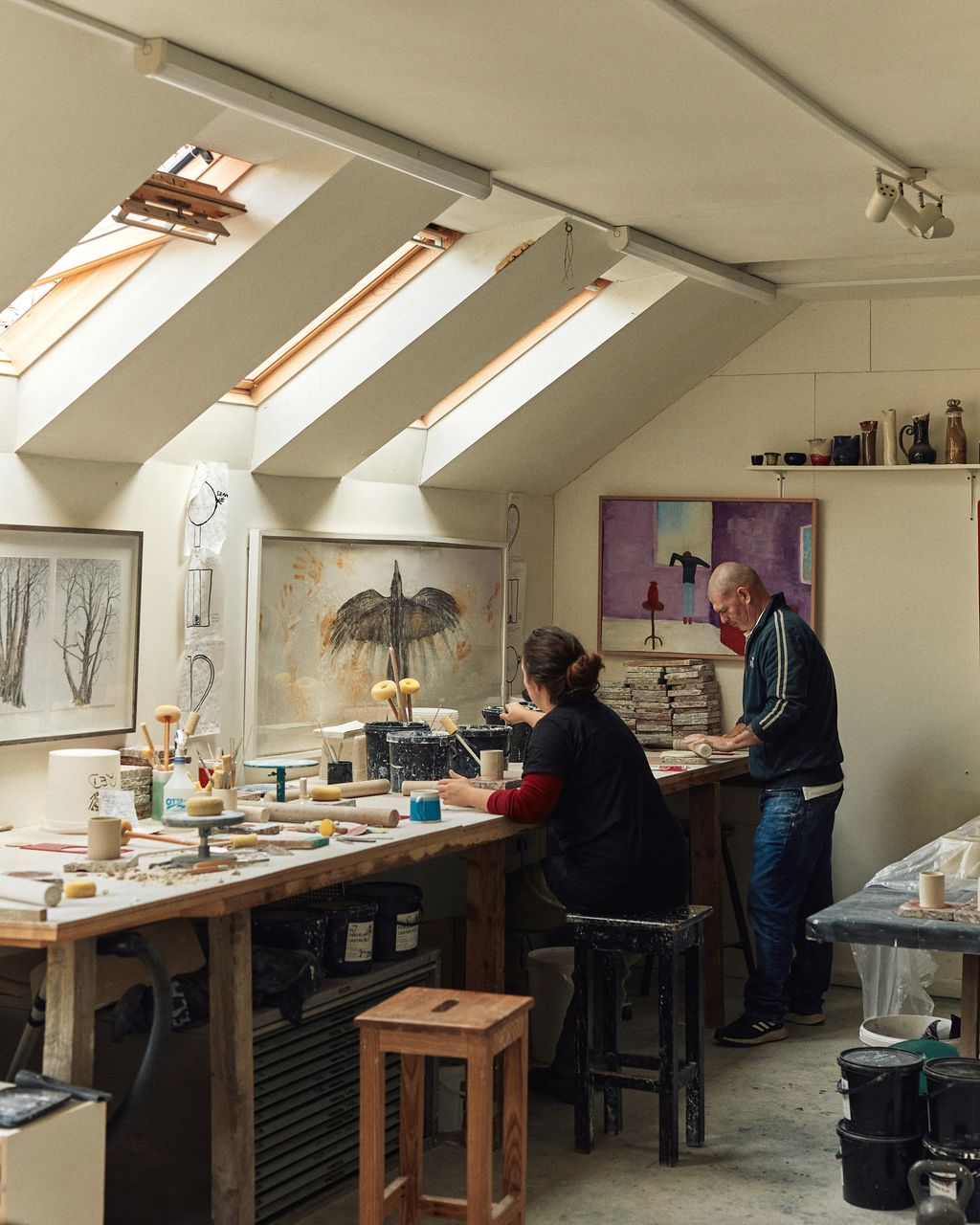
In part. that is due to its meditative aspect. On a winter's day, with rain spattering at the pottery windows and the kilns infusing the room with warmth, there can be few nicer places to be. Richard works with two assistants, Gayle Ansell and Anthony Bishop, who have learned from him how he likes to make the basic cylinders that later become his pots, a process that took him around two years to perfect. I probably could have gone on a course and done it in two weeks,' he says with a laugh. ‘But I preferred to work it out for myself'. Perhaps counterintuitively for an artist, Richard has never drawn the shapes he creates. ’The clay just told me what to do.'
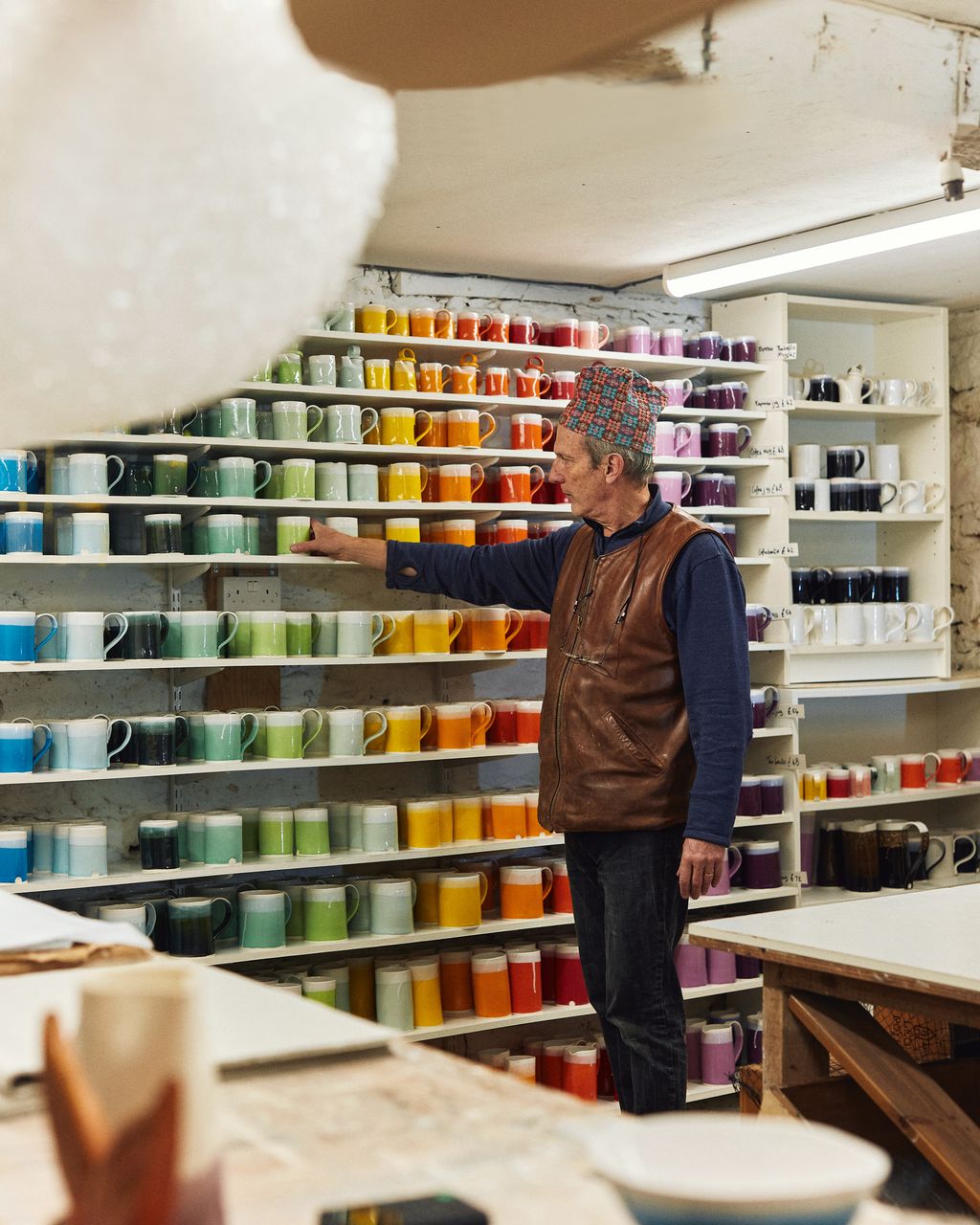
Porcelain is Richard's material of choice, its pure white hue providing the perfect base for the bright glazes (many of which he mixes himself from stains bought locally in Radstock) that characterise his work. 'I love colour and I must have been through about 50 different recipes to arrive at my current palette of 15,' he says. Reflecting his love of nature, many are named after plants - bluebell, cowslip, mint and lime being just a few. Small drips and dribbles in the glazes are accidents that Richard positively welcomes, along with the inevitable wobbles in the body or rim: 'Because they're handmade, every piece is different and that's what people love about them.'
And people really do love them. He is a regular at The Frome Independent market, and he tells me a poignant story of a woman who came up to his stand and told him that his mugs had become her friends during Covid. 'She said she used to chat to them. and she meant it,' he says, visibly touched.
With the demand so huge, is he ever tempted to find ways of producing more? The answer is a resounding no. 'My pots are all about character,' he says. They're easy to make badly, but very difficult to make well. I don't think I've ever made one that has come out absolutely perfectly so I'm always doing subtle adjustments to get them a little bit better. And that, to me, seems like a good enough incentive to keep on making'.
Richard Pomeroy Porcelain: richardpomeroyporcelain.com
 1/15
1/15 Tom Griffiths2/15
The Chakras by Helena's sister, Alexandra Drysdale, hangs at the bottom of the stairs.
 Tom Griffiths3/15
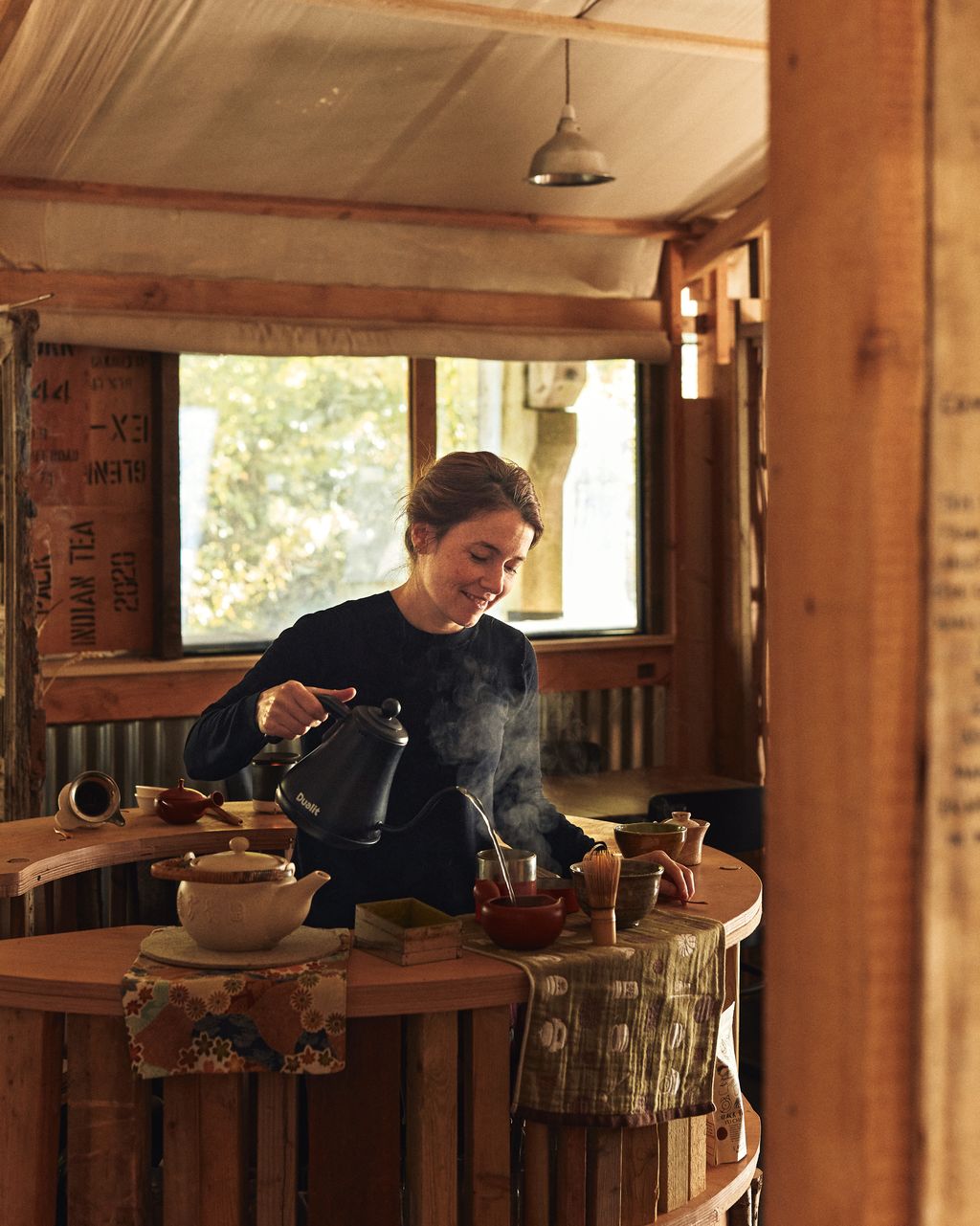
Richard often visits Comins tea house at Shatwell Farm, co-founded by Michelle Comins.
 Tom Griffiths4/15
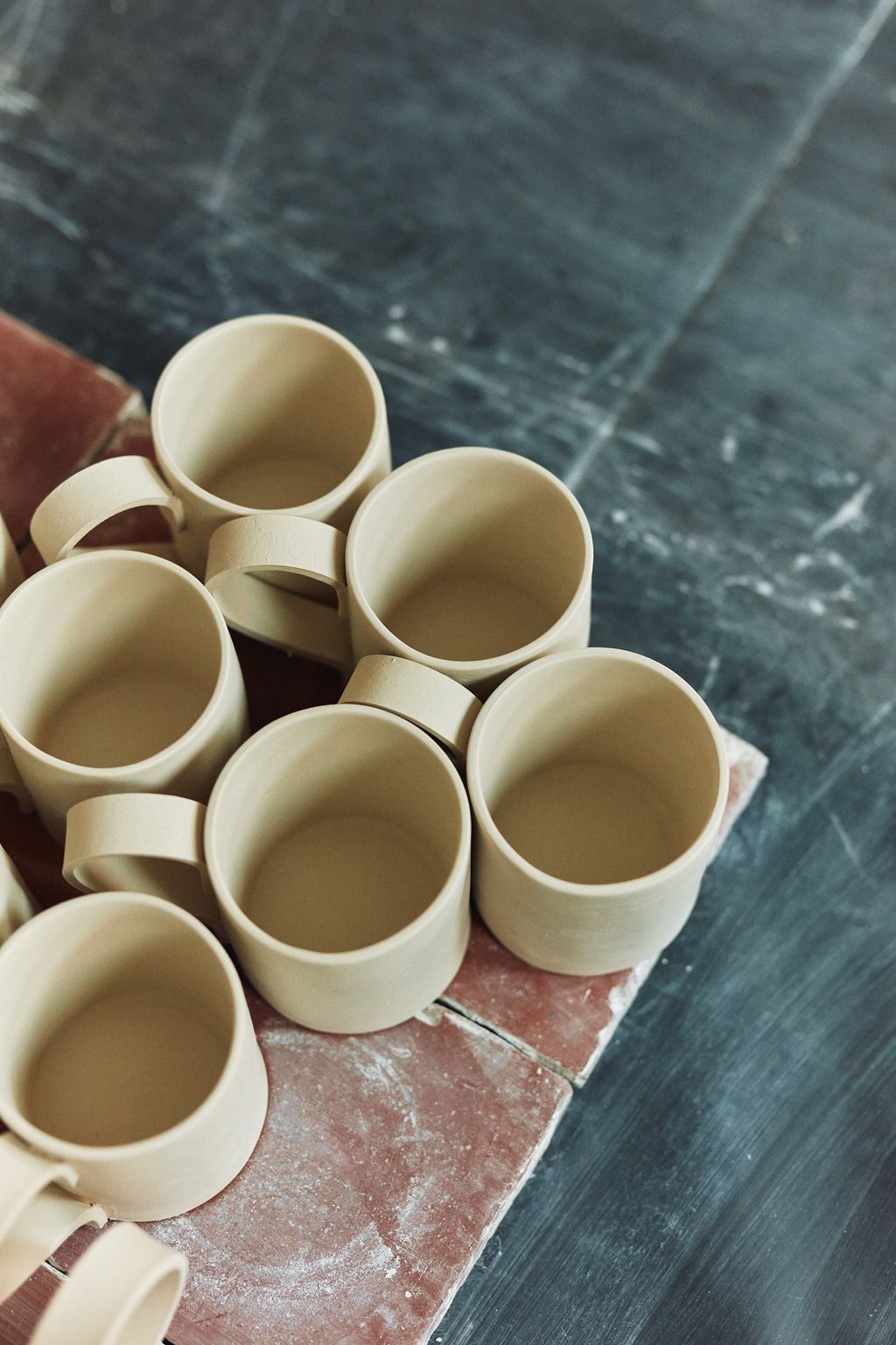
Mugs to be bisque fired.


 5/15
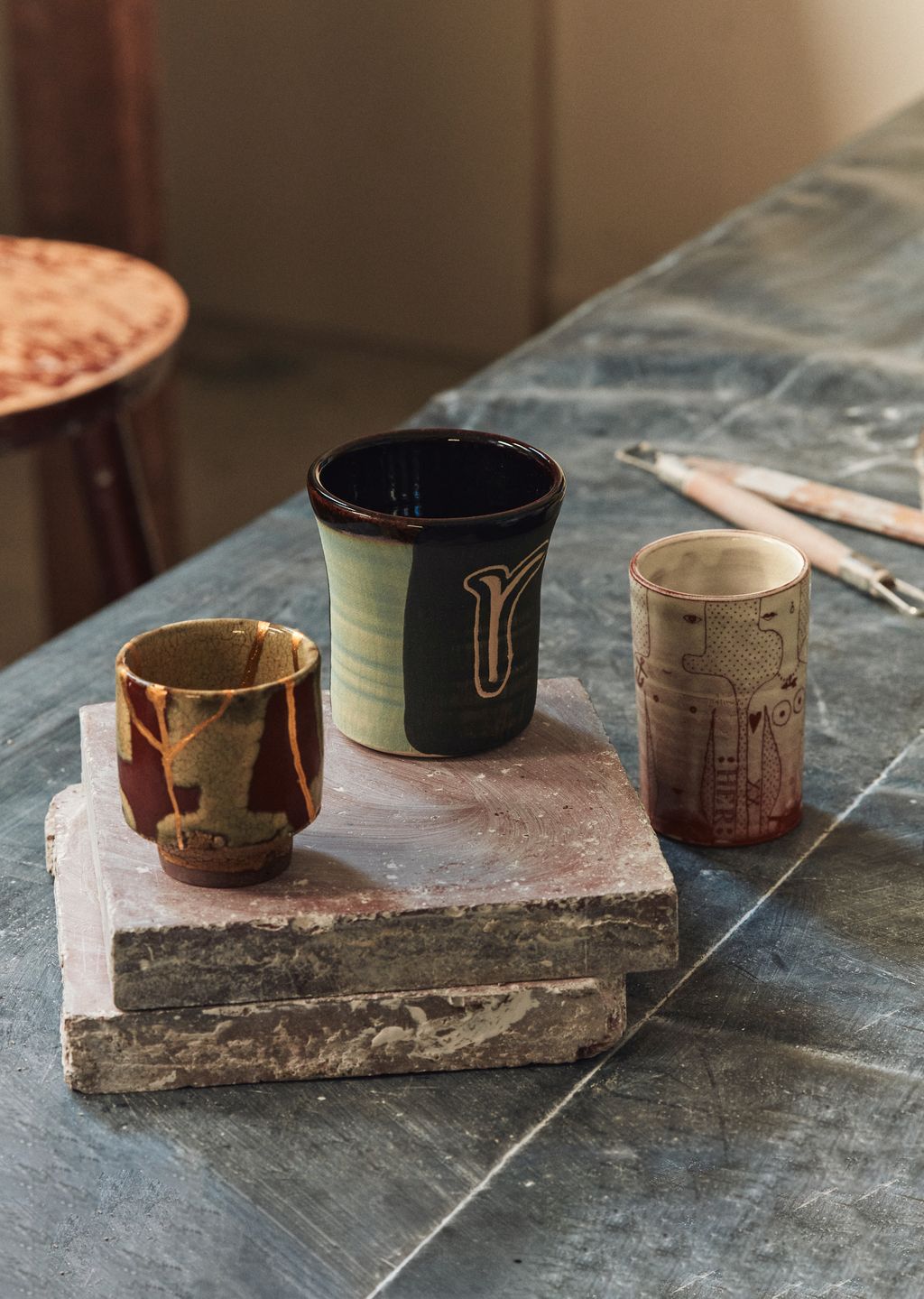
5/15Vessels by Gregory Tingay and Philip Wood from Richard's collection.
 Tom Griffiths6/15
His assistants Gayle Ansell and Anthony Bishop.
 Tom Griffiths7/15
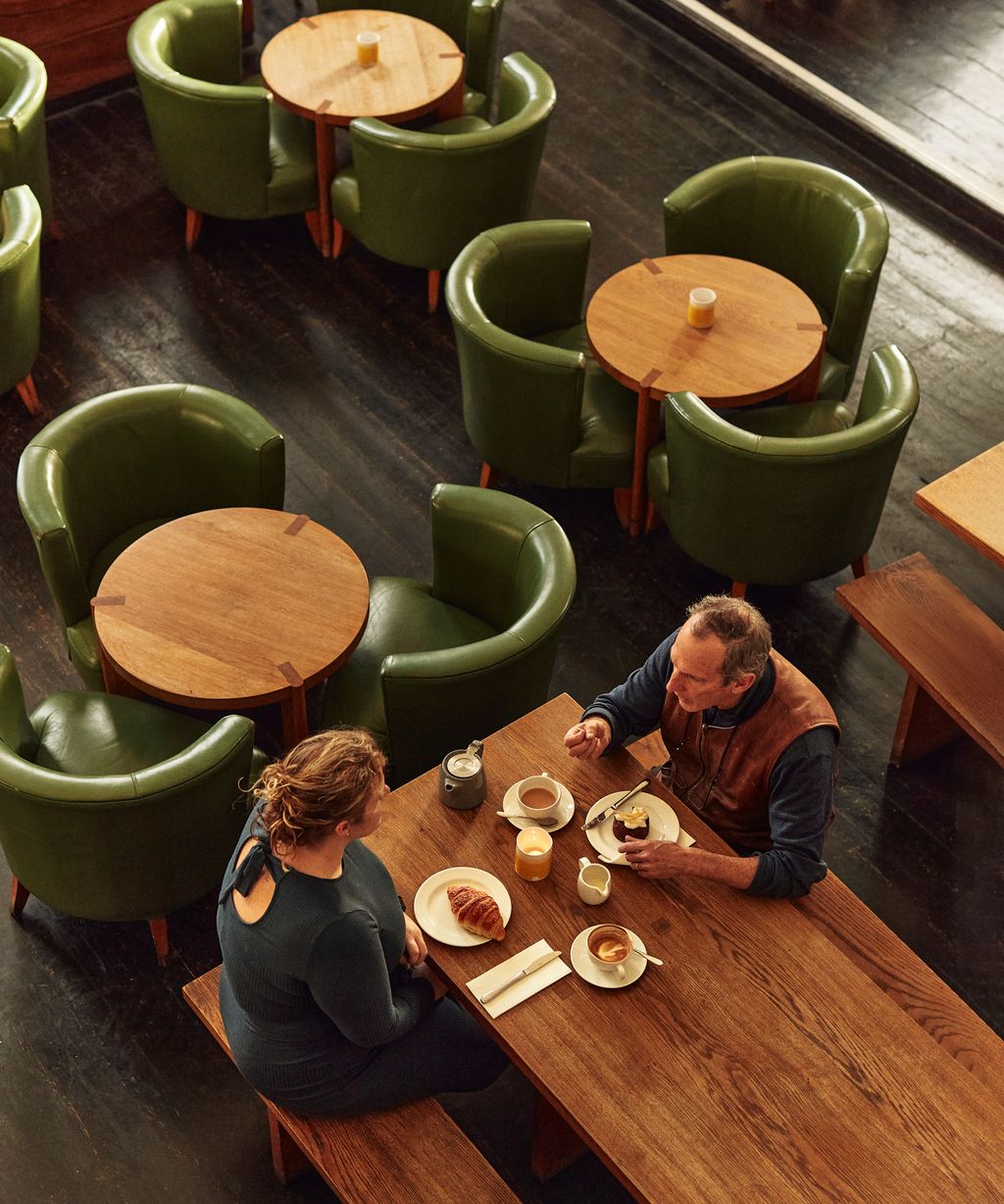
Richard with Kim Kirby of At the Chapel enjoying coffee in the restaurant there, where his tealight holders on the tables add to the inviting atmosphere.
 Tom Griffiths8/15
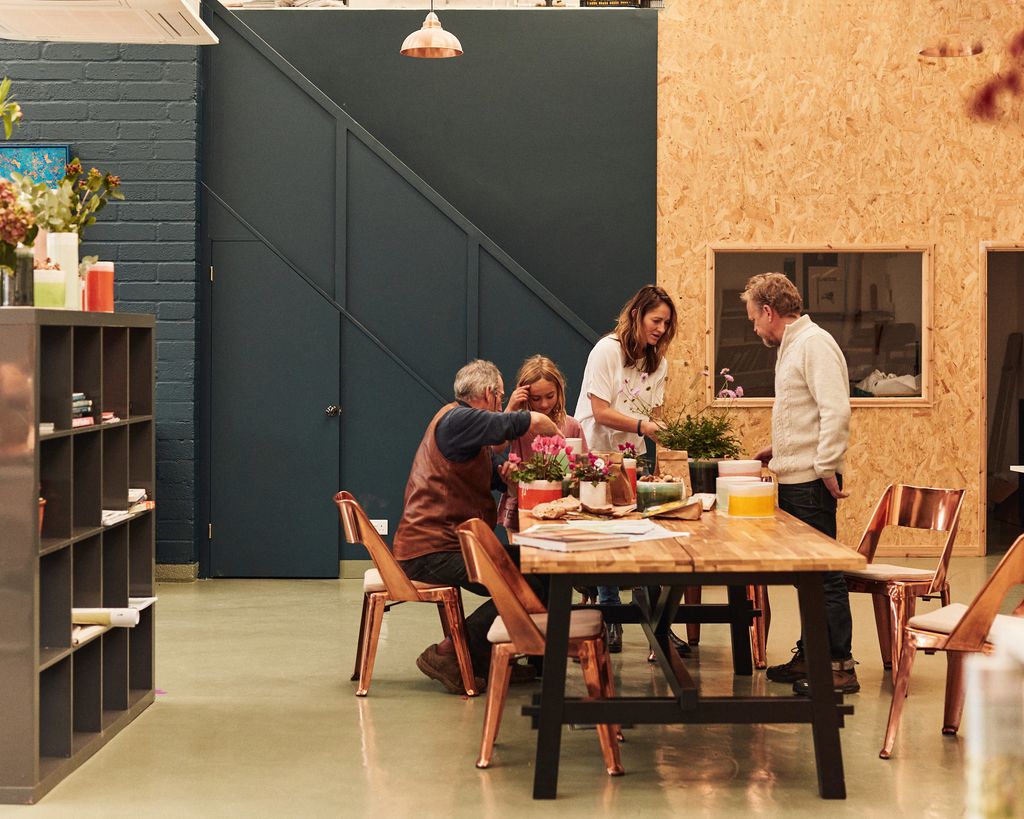
Bruton-based landscape designers Adam Hunt and Lulu Urquhart use Richard's colourful containers in their studio window displays. Here, he is helping them to pot up plants along with Lulu's son


 Tom Griffiths9/15
A vibrant display in the stockroom.
 Tom Griffiths10/15
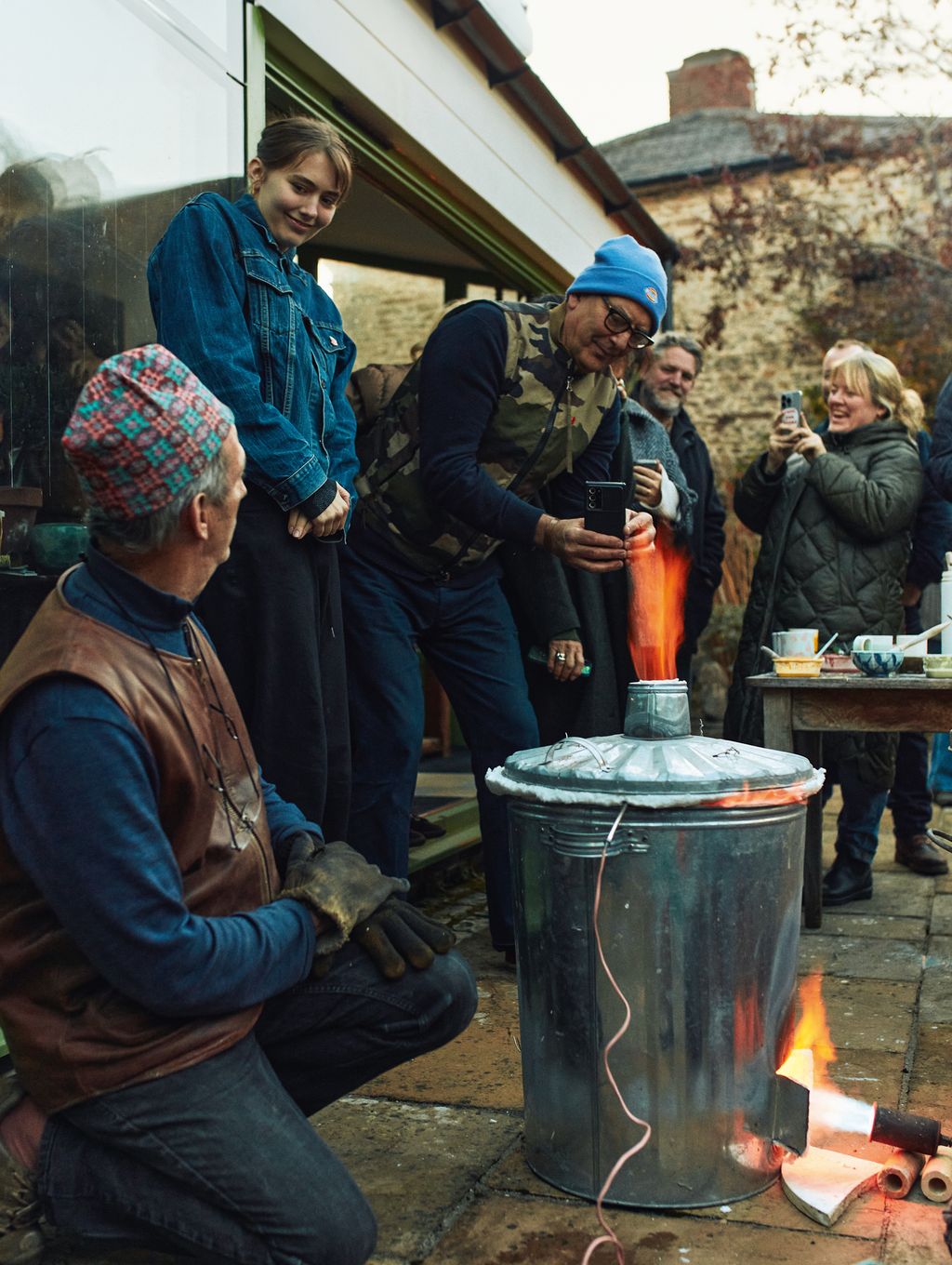
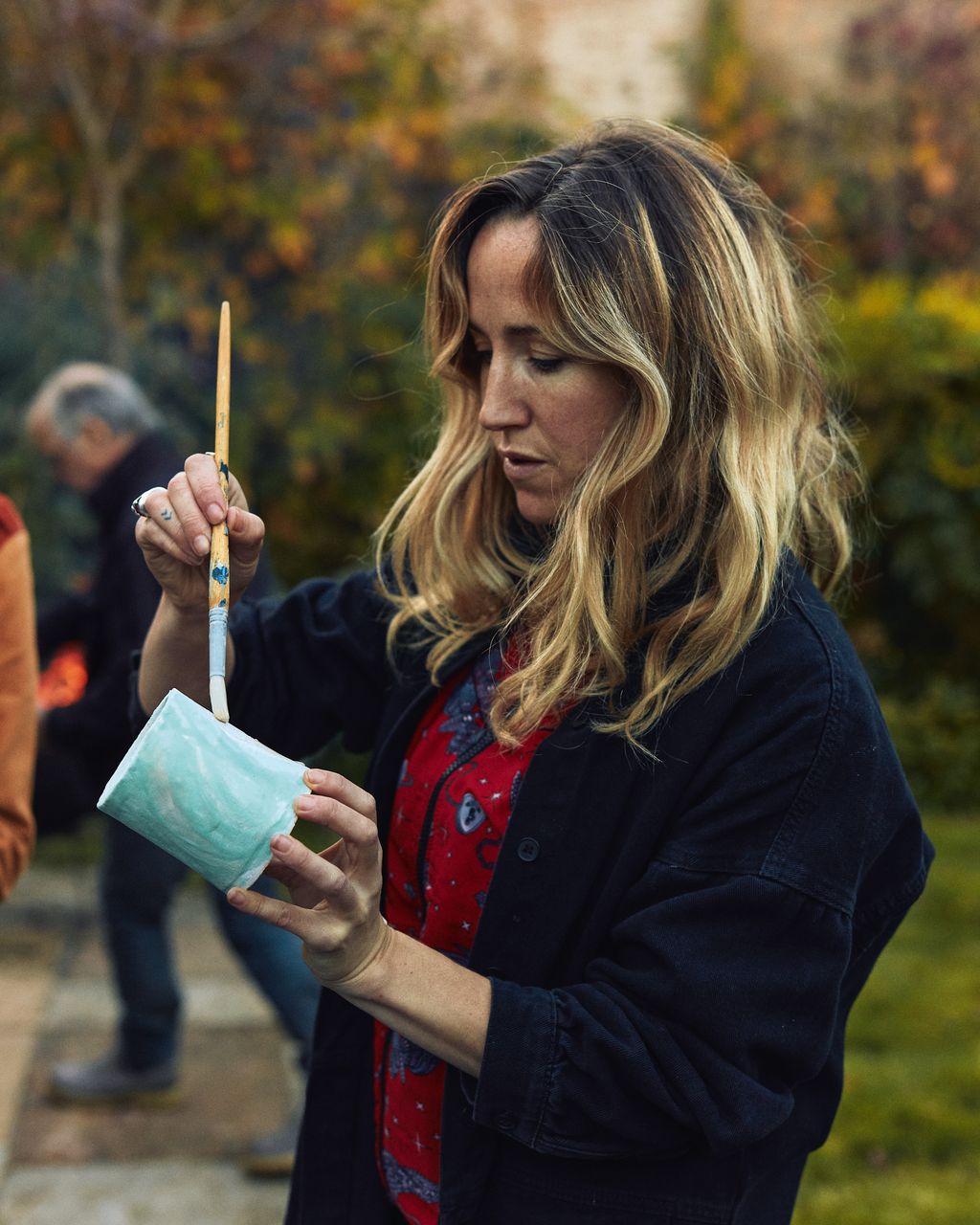
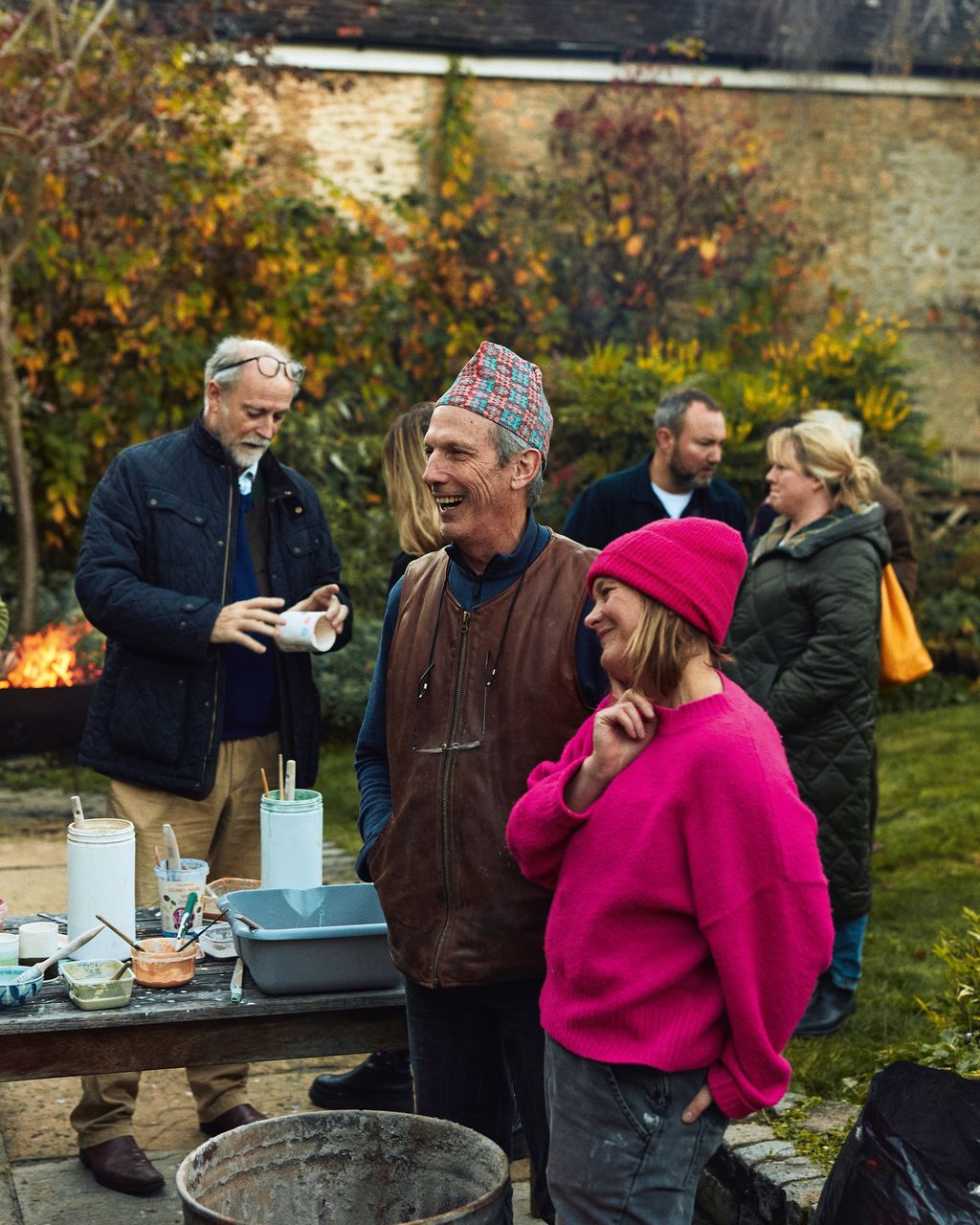
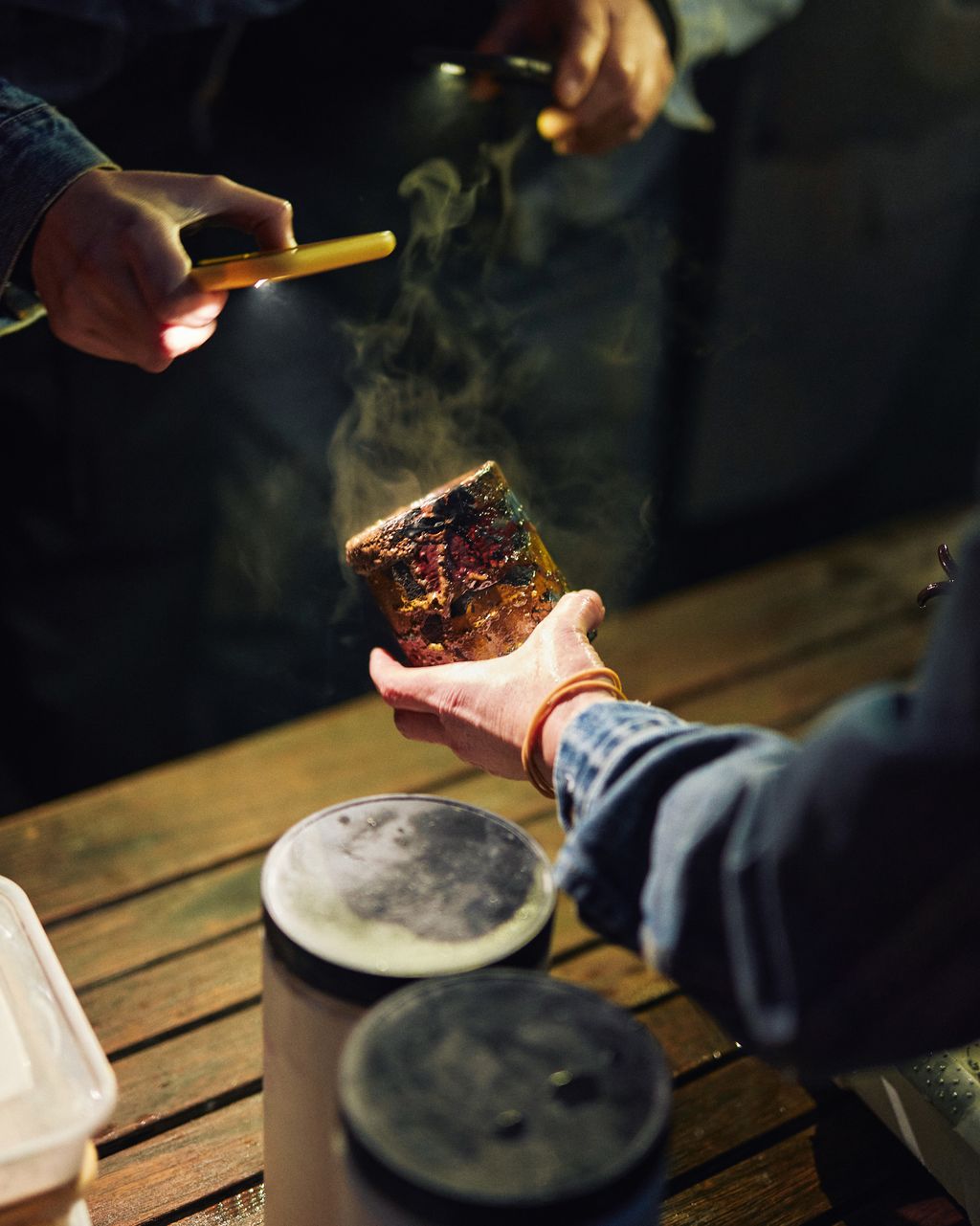
Raku firing in Richard's garden with friends including his website manager Rose Trelawny, leather craftsman Bill Amberg with daughter Poppy, photographer Max Milligan and potter Kim Birchall, who is leading the session.
 Tom Griffiths11/15
 Tom Griffiths12/15


 Tom Griffiths13/15
 Tom Griffiths14/15
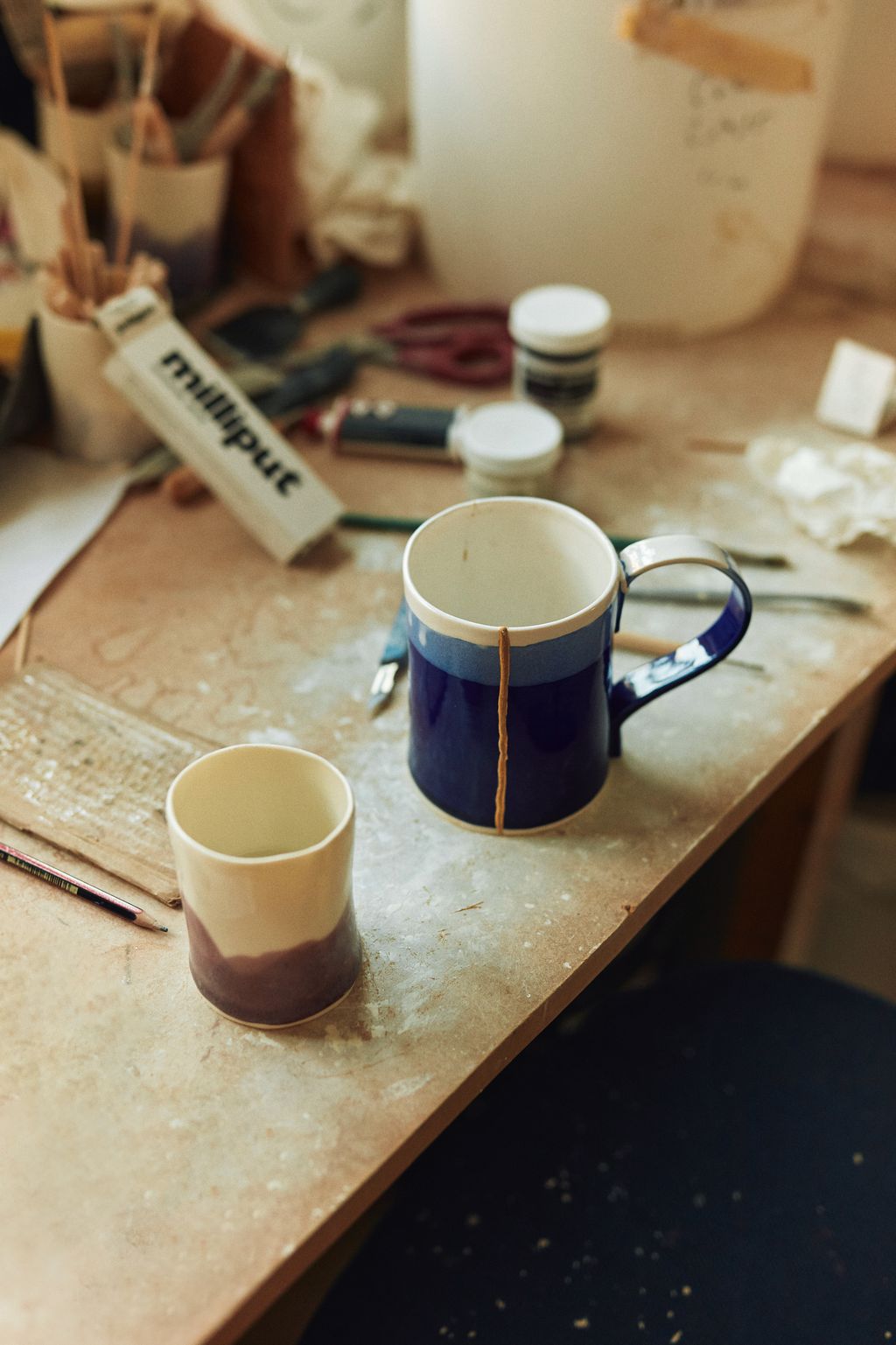
A mug repaired using kintsugi.
 Tom Griffiths15/15
Richard with a bag of clay from Bath Potters Supplies.


