

When choosing a paint colour, we tend to focus on how it will look during the day. This is, of course, a very sensible approach for rooms that are used primarily during daylight hours (or even under fairly strong artificial light) like kitchens, bathrooms, home offices and family living areas. But what about a room that needs to look its best in the evening in softer, warmer lamplight or candlelight? This could be a snug, a dining room, a sitting room or a small drinks area. Bedrooms will depend a little more on personal taste, but they are certainly not excluded from the list.
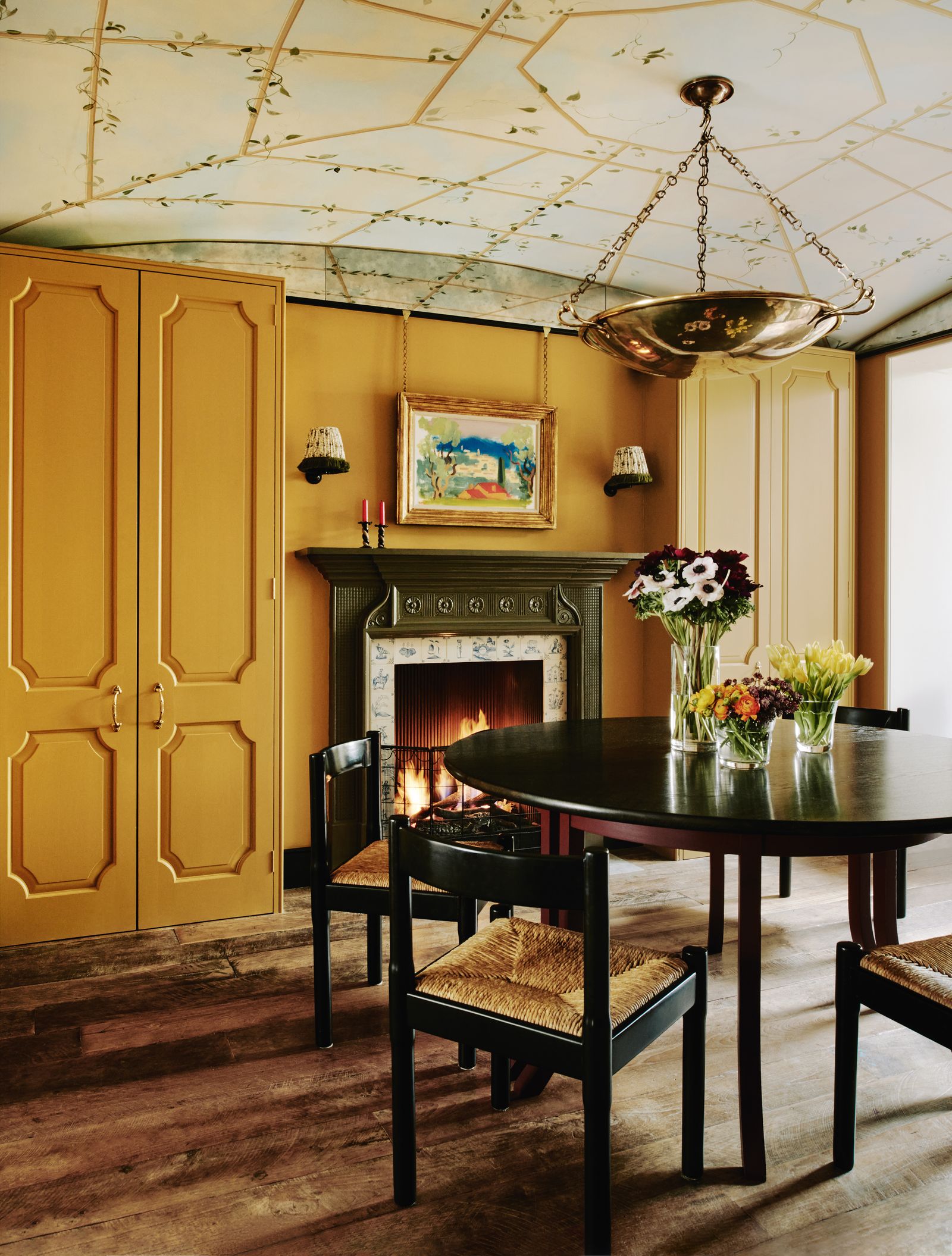
To put it simply, if there’s a room – or even a tiny space – in your home that you wish were more inviting, more atmospheric or simply more interesting after dark, then chances are it will benefit from a different approach to colour. We have asked the specialists to tell us which paints, finishes and decorative techniques will help to set just the right mood – and add a little magic – as you prepare for the longer winter nights at home.
It is worth noting that all of this will be in vain if you don’t get your lighting right first. As colour consultant Harriet Slaughter emphasises, ‘lamps, wall lights and candles always give a softer, more inviting atmosphere than overhead lighting, which can feel a little harsh or clinical once the sun sets.’
‘One of the first questions I ask during a colour consultancy is when a room will be used,’ says Simon Hutchinson, colour specialist at Little Greene. ‘If the room is going to be used primarily in the evenings, the colour really needs to compliment and reflect this type of lighting and atmosphere.’ This is not just a matter of taste; even those with the most discerning ‘eye for colour’ will see things differently at night. Simon explains that ‘at low levels of light, the rods in our eyes take the main job of seeing as they are far more sensitive to tonal changes, while the cones that detect more colour become less active, causing colours to become harder to identify and look greyer or very muted’.
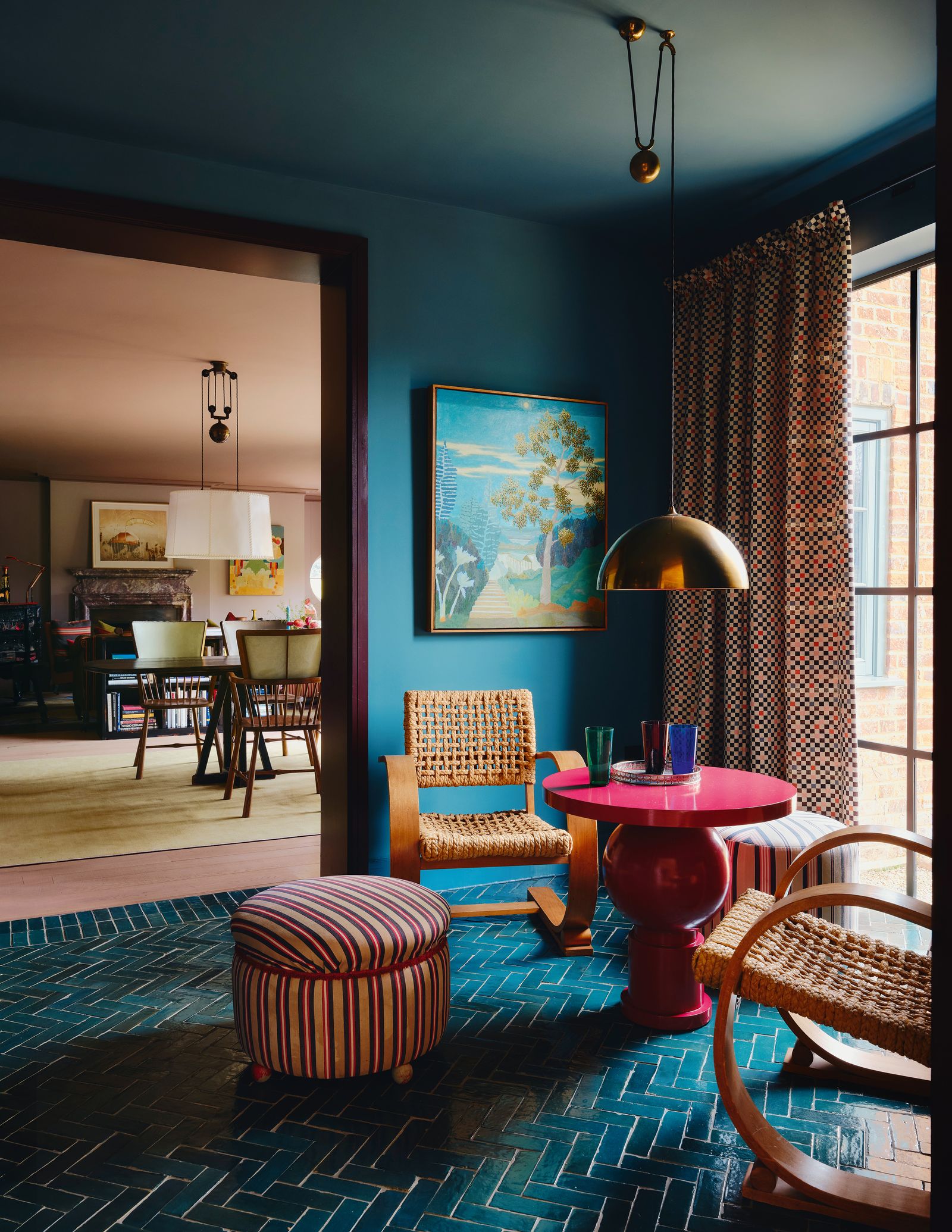
As a result, richer, darker colours can have much more visual impact. Simon recommends Little Greene’s deep green ‘Jewel Beetle’ and ‘Deep Space Blue’ for snugs, dining rooms and even bedrooms. Returning to the science behind colour, he says, ‘the secret behind the intensity of these colours lies in the pigments used. Often deep colours are made using a large amount of black to lower the tonal value. These two colours, however, are both based more on pure intense pigments – “Jewel Beetle” on arylide yellow and “Deep Space Blue’ on phthalo blue. With this intense base to the colour, a little black and a sprinkling of other pigments give these colours an intensity that shines through in low light but doesn’t overpower.’
Harriet Slaughter, a freelance colour consultant, agrees that pigment-rich jewel shades really come alive at night. In particular, she likes ‘emeralds and turquoises because their cooler undertones contrast beautifully with warm evening light, allowing them to stay vibrant, lively and full of depth.’ Her favourite examples include ‘Pale Empire Green’, ‘Medici Green’, ‘Chinese Turquoise’ and ‘Persian Turquoise’, all from Papers and Paints’ historical colours range. To bring some warmth to a room that is feeling a little cold, which can be a problem with artificial light, Farrow & Ball’s colour consultant Joa Studholme turns to spicy red ‘Bamboozle’, jolly yellow ‘Babouche’ and even deep olive green ‘Bancha’ from the company’s collection.
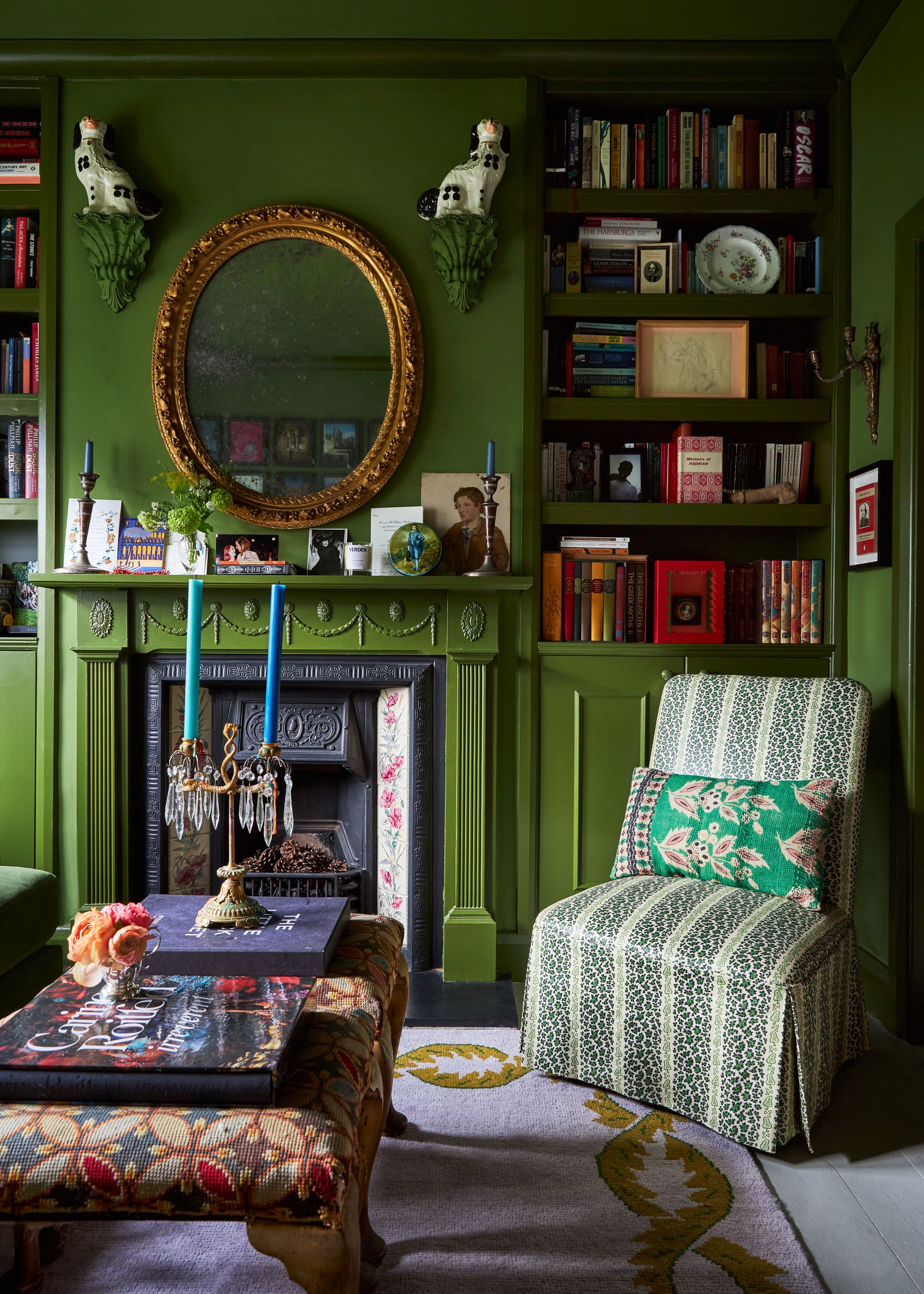
Though our focus is usually on wall colour, Joa reminds us not to forget about the ceiling and the trims. ‘It’s better to colour drench rooms that are used mainly at night. You don't want to walk in and see a white ceiling because it does not feel cosy or relaxed. It feels much more intimate to paint everything in the same strong colour.’ You can then introduce a slight contrast by using different finishes. Joa likes Farrow & Ball’s ultra-matt dead flat on the walls with a gloss on the ceiling or on a smaller area of woodwork like a bookcase or table. ‘You get that kind of sparkle, which feels really glamorous and sophisticated in the evenings,’ she explains.
‘Anything with a slight sheen or lacquered finish can look wonderful in lower light, but if you want to really transform a space, metallics can be magical,’ says Harriet. Her top tip is Mylands’ film, TV and theatre range, which includes metallic paints originally created for set design. ‘I’m particularly drawn to their silver tone, “FTT-004 - Silver”, which has a reflective quality, almost like turning your wall into a giant silver candle sconce. If that feels quite bold, it could be stunning in a smaller space, like a downstairs loo or a dressing room.’ Starting small is excellent advice when it comes to any such daring decorative decision.
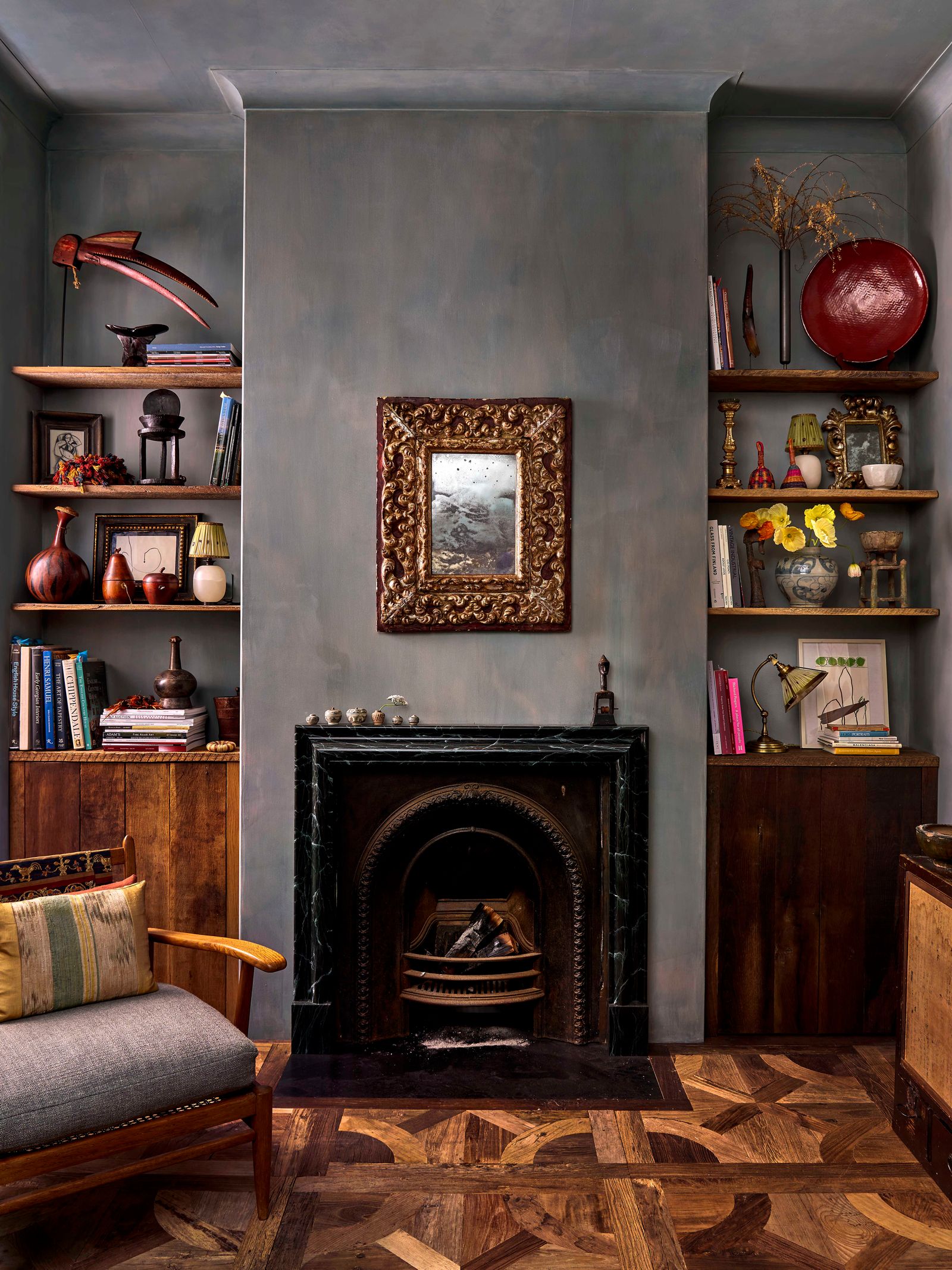
Textured walls bring a wonderful sense of depth and atmosphere to a space and there are numerous specialist finishes to choose from. The one that has caught our eye recently is the marble-dust effect on the walls and ceiling of Thurstan’s snug at this summer’s WOW!house exhibition. ‘With its subtle grain and velvety matt texture a marble dust effect works beautifully in rooms that are often used in the evenings,’ says studio founder James Thurstan Waterworth. ‘In the soft glow of low lighting or candlelight, the mineral particles catch and scatter, creating a delicate shimmer, soft shadows, warmth and atmosphere without any harshness.’
For a simpler effect that still has plenty of impact, Cassandra Ellis, founder of natural paint company Atelier Ellis, likes to loosen the paint with water and brush it on by hand. ‘It just feels quite human as it’s beautifully finished but not perfect, which is inherently relaxing. And as soon as you've got candlelight or low lights, it just dances.’ She has found that mid and deep tones lend themselves to this technique, such as in her library at home in Bath, which is brushed in ‘Fallen Plum’ from the Atelier Ellis range. ‘Colours like “Clarissa” and “Mollie”, which are deep greens, or “Cedric” and “Axia”, which are purply browns, are also really beautiful, as are any of the blacks or browns like “Aged Black” and “All the Queen’s Horses”’.
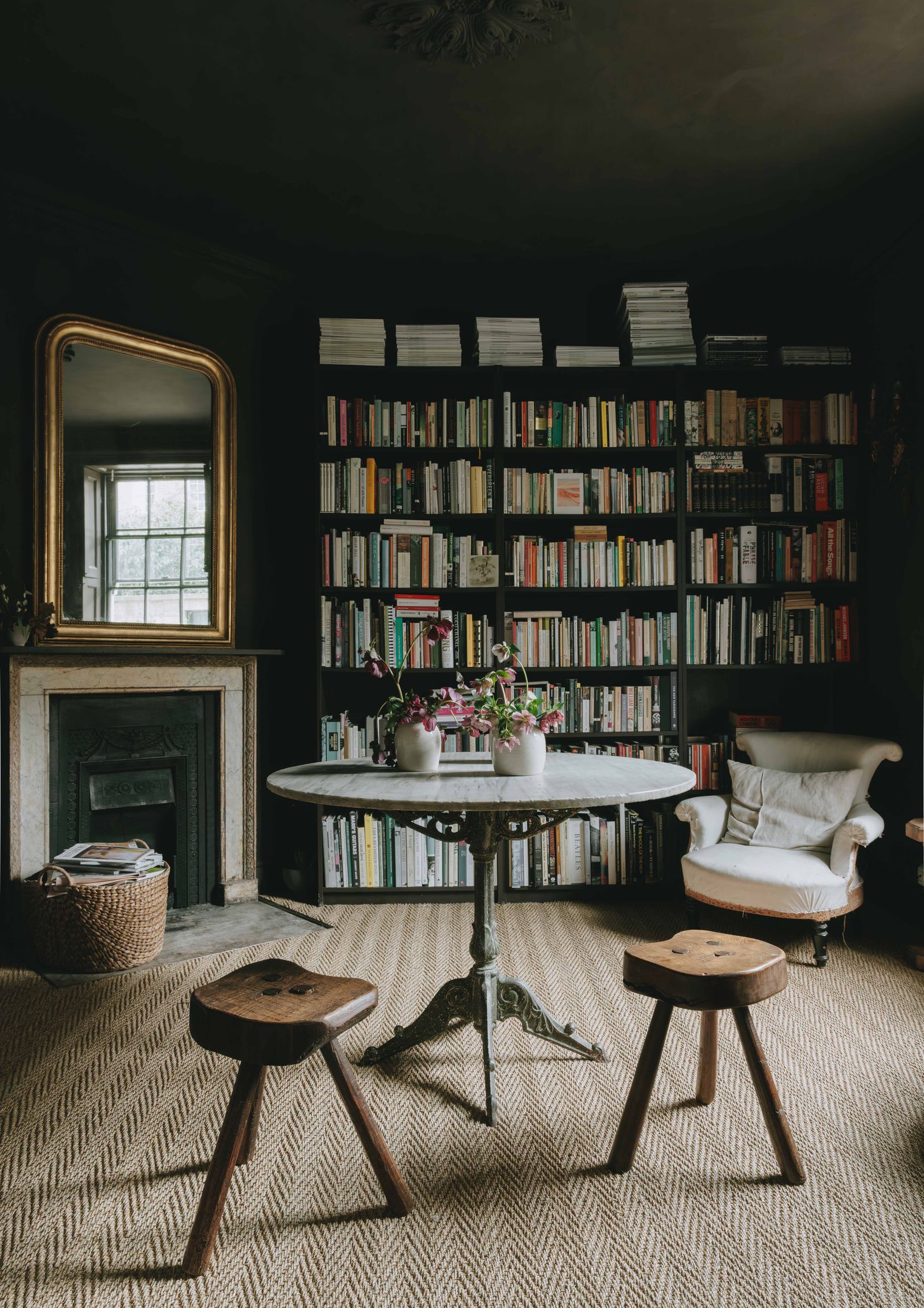
If you want a feeling of texture and movement without the need for a decorator (and don’t have the skills yourself), choose a natural-based paint with plenty of pigments. In Cassandra’s words, ‘they do the work for you as they already feel alive – it's like a silk velvet versus a polyester velvet’. Paint colours with complex pigmentation slowly unveil themselves over time, particularly in soft light, and are much more flattering on human skin.
‘Nature does everything best,’ agrees Bronwyn Riedel, co-founder of Bauwerk. ‘Limewash and natural earthen pigments work best with the subtleties and nuances of light. Limewash paint is one of the most light-refractive paints available and light bounces off it in a completely different way due to the crystalline structure. Light hits the limestone and it bounces back in millions of different refractions, making it very dynamic and beautiful.’ Again, it’s the darker tones that are best in low light, especially warm reds, peaches and brownish pinks – try ‘Bloodwood’, ‘Barley’ and ‘Moorland’ from the Bauwerk colour collection.
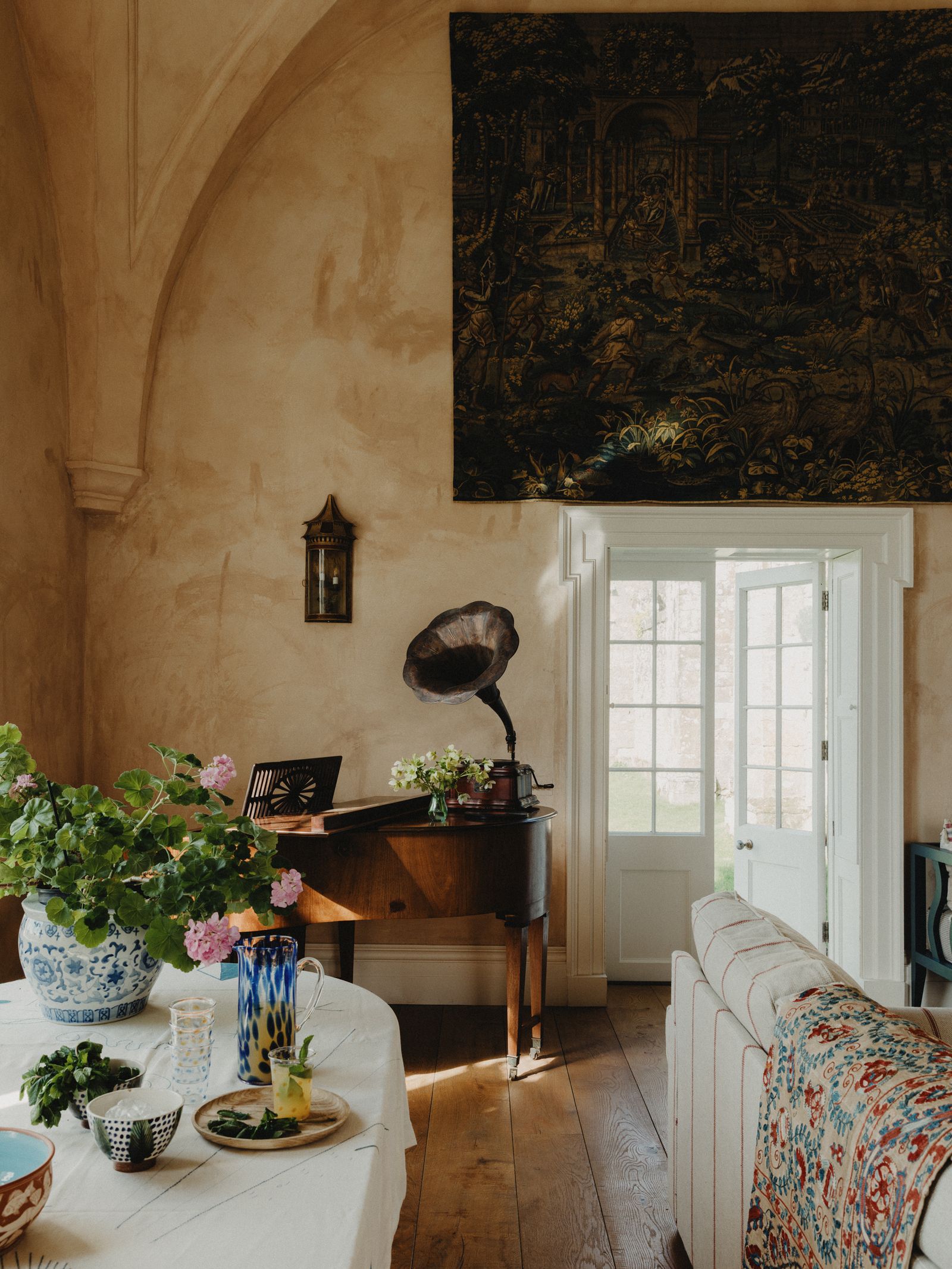
If you don’t feel ready to take the plunge with a strong colour, or are concerned it will be too overpowering at other times of day, Harriet advises opting for a mid-toned neutral. ‘They keep a sense of cosiness and warmth that a bright white wall can’t quite offer,’ she says. ‘A beautiful warm, earthy shade, such as “Fawn” by Edward Bulmer, will hold its own even under lamplight.’ This could provide the backdrop for some bolder metallic touches, a jewel-toned accent or some lovely textured pieces – textiles, woods, natural-fibre rugs – which will help the room to feel infinitely more inviting as the nights draw in.


