
43 kitchen island ideas (and top tips from the professionals)
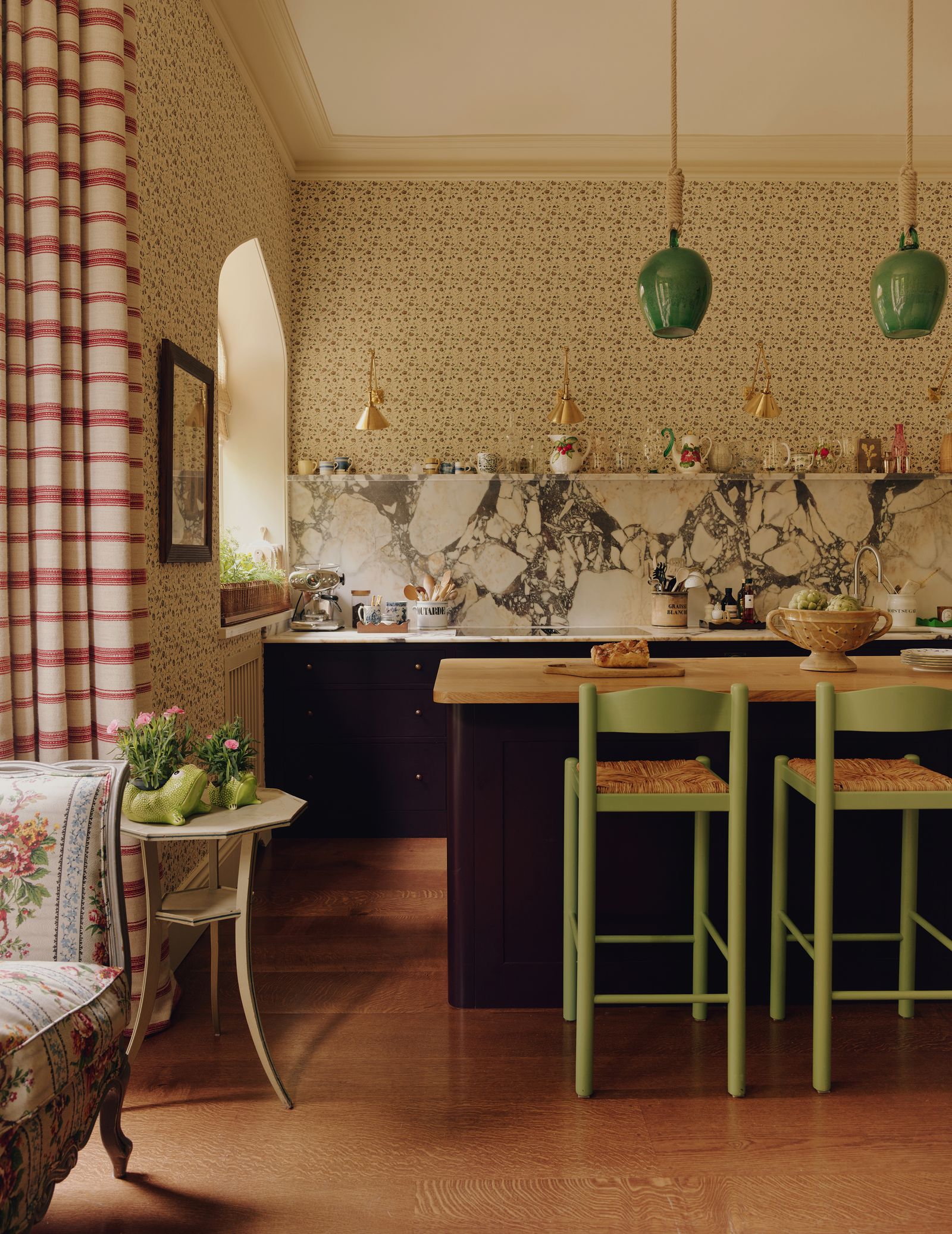
‘The kitchen island is a great addition, both aesthetically and ergonomically, in a whole range of spaces,’ says Gail Taylor of TH2 Designs. We see a huge range on our pages, from expansive, showstopping marble islands to slender, practical freestanding tables. Some integrate sinks and appliances, some have recesses or overhangs for bar stools, some even house dog beds, while others just provide much-needed extra worktop space.
Storage is another major consideration. ‘A well-designed island can significantly increase the storage space available,’ explains Gail. Many islands integrate appliances on one side of the island, while leaving the other side open for storage or a recess for seating. ‘I often allow for a shallow run of handleless units on the visible side of the island,’ continues Gail, ‘so that the look remains streamlined while providing extra storage for things like glasses, jugs, mugs and vases.’
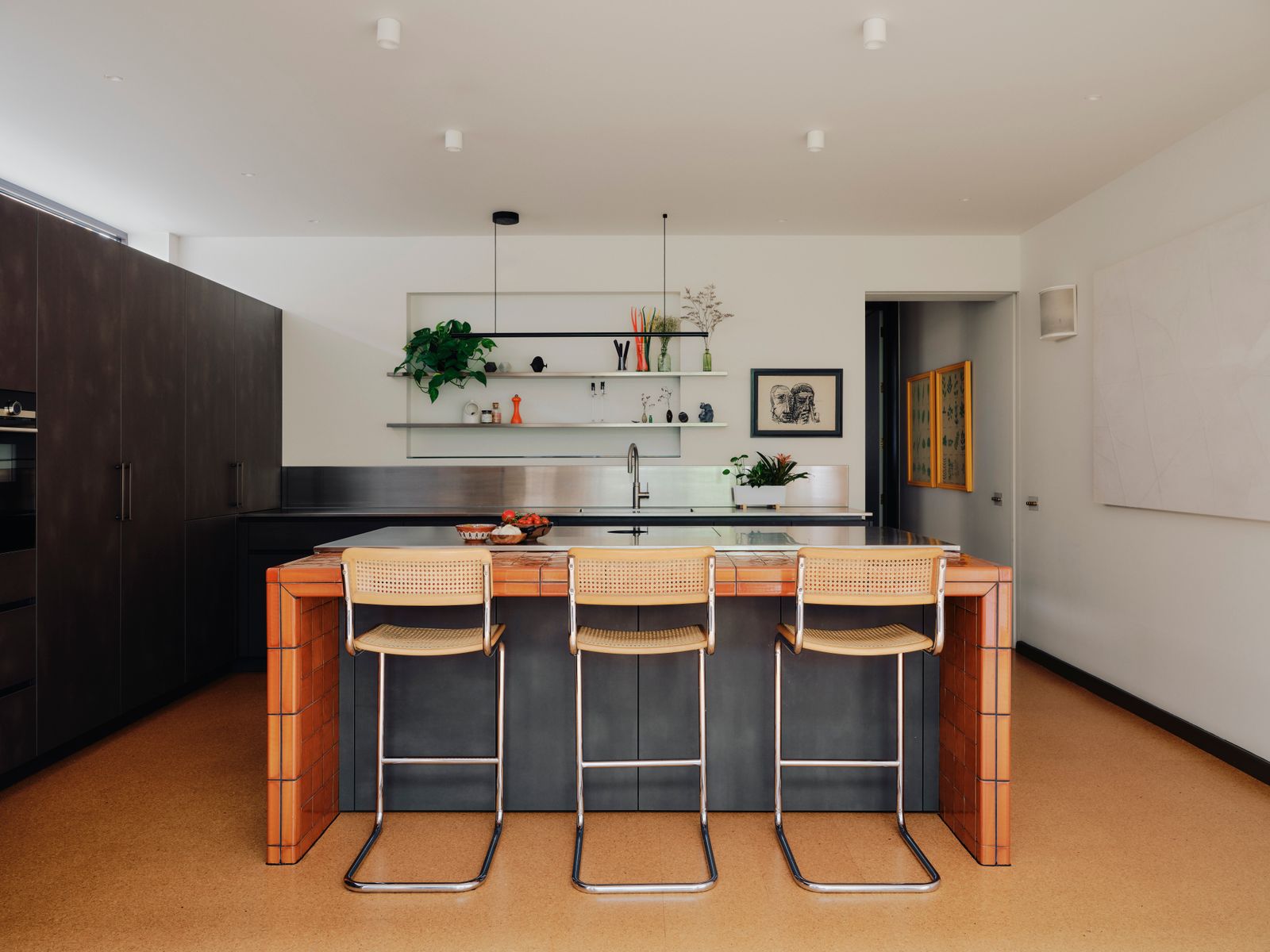
Islands can also be a brilliant space for people to gather in an informal way. In her own kitchen, Gail favours a large island and has put in comfortable bar stools for the whole family to gather around for meals. ‘It just feels more relaxed and sociable than sitting at a table,’ she says. In a small kitchen, there may not be enough room to add seating to an island, but a slim table with a rack for storage beneath can be a great solution instead.
You may be tempted to keep the design of the island very similar to the surrounding cabinets, but this can be an opportunity to be more playful. ‘I prefer to give an island a different treatment to the rest of the kitchen to save having acres of the same surface,’ says Rita Konig. ‘You might also choose to have an island higher than your counters to make using it more comfortable.’ Gail agrees: ‘I often choose a different, tonal colour for the island than the rest of the kitchen units to give the island its own visual element,’ she says. ‘If the island is large enough, I combine two finishes for the worktops, too. If there is enough room for an overhang to pull bar stools up, I will use a different worktop to the main part of the island, combining wood with laminate or stone with stainless steel, for example.’
More expert advice from interior designers
‘Kitchen designers will tell you to allow at least 120cm between the island and the wall units, but you can shrink this down to 85cm – though admittedly it does make it hard for two people to work at the same time. Do not forget to add power points. I like to put them inside cupboards or on the internal side of open shelves. When it comes to lighting, it can be best to avoid the usual approach of dropping pendants down from the ceiling, as islands are often positioned next to dining tables, which may have their own pendant light above. To avoid such clashes, I sometimes use a couple of small recessed downlights instead.’ - Brandon Schubert
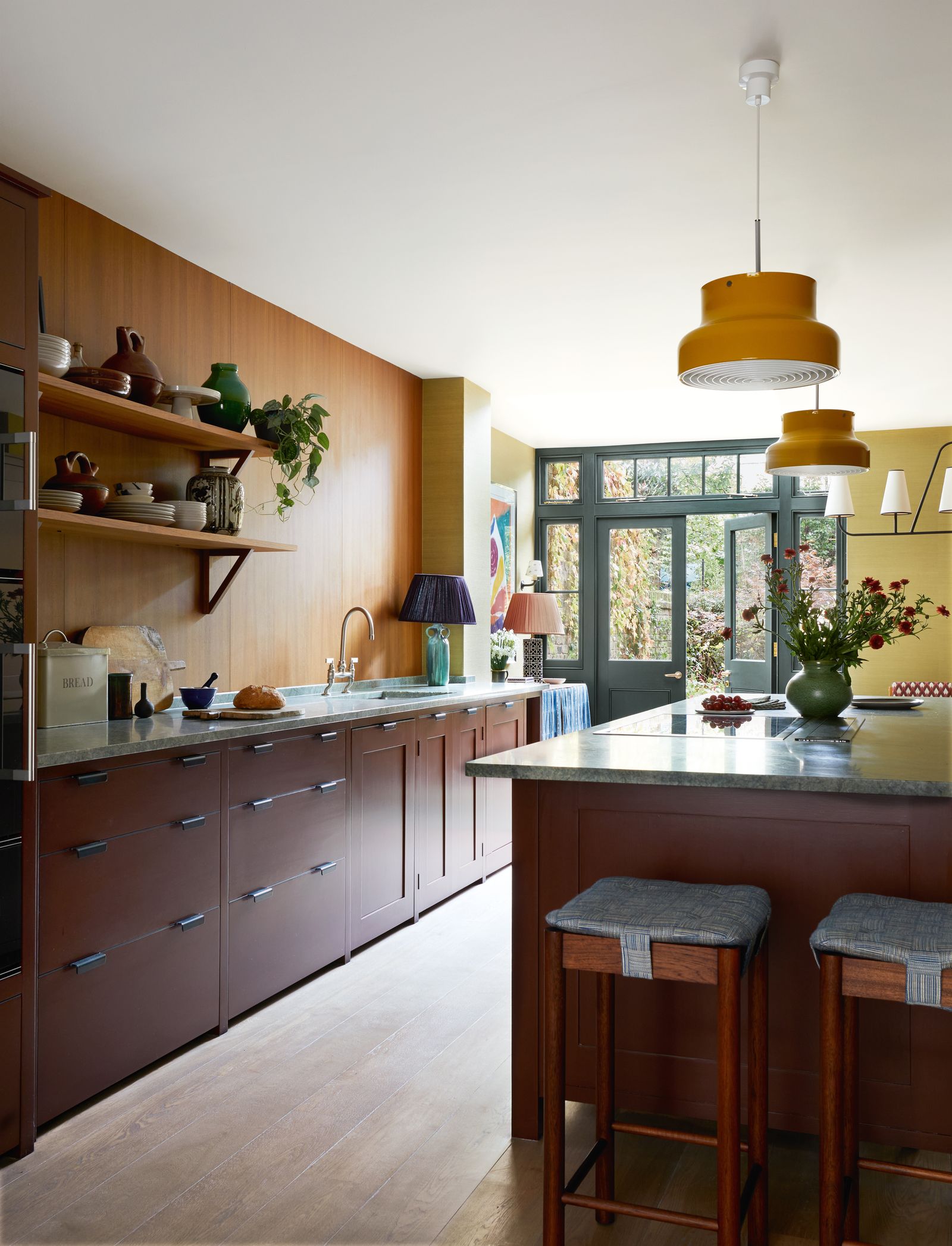
‘I’m a huge fan of table lamps on islands, as having the soft glow in the centre of the space feels cosy yet somehow glamorous. Lamps need to be “yacht fitted”, meaning the wiring goes through the base and then directly into the worktop. The cabinet maker and electrician can also run the cables through a hollowed leg. This look can be achieved with a cook’s table too.’ - Jessica Buckley
‘The height of an island depends on the function and the user. Most islands are set at 90cm tall, but you could have varying heights – for example, a lower-level eating section, dropped down to a 75cm dining height. If you do opt for different heights, consider playing with different surface materials for each area.’ - Alex Dauley
‘Keep the island free of a sink or hob if possible, so it can be dressed with plants, vases of flowers or bowls of fruit, and can be cleared to act as an extra tabletop for serving and eating. If you don’t have space to keep it free, opt for a sink rather than a hob – an extractor over an island is a real buzzkill. If you must have a hob there, consider a downdraft extractor.’ - Ellen Cumber, Golden

‘I like to use a kitchen island for prepping and chopping, so I can join in rather than face the wall with my back to everyone. With this in mind, consider a handy hole with a flush lid for sweeping peelings straight into the compost/food waste bin, or a prep sink. A good friend has made her island near the regulation size of a ping-pong table without a sink or cooker. With a clip-on net, and a couple of bats and balls in the drawer, you have an island with a rather niche dual function.’ - Chloe Willis, Sibyl Colefax & John Fowler
‘An island is a wonderful opportunity to add character. This is your chance to rebel: choose different materials; paint the base in another colour; or use an unexpected vintage piece. I always say that kitchens should feel like other rooms in the house – comfortable, layered spaces that just happen to include a cooker and a sink, rather than being ruled by them.’ - Natasha Greig, Veere Grenney Associates
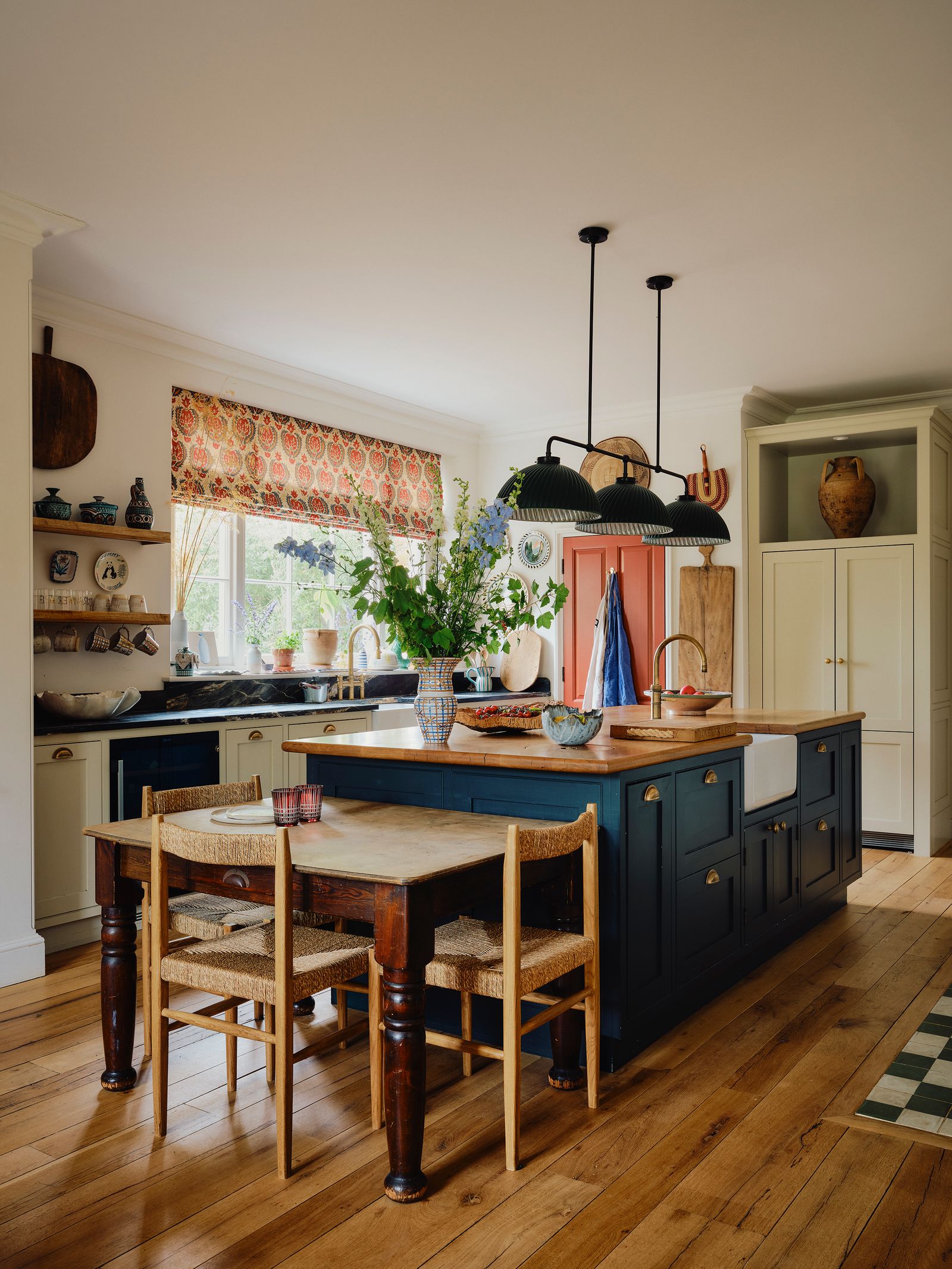
‘The best rooms have some sort of design detail and the same goes for a kitchen island. Something as simple as a brass utility rail, bead detail or routed groove is enough to make elevations look considered. Open shelving is also a good way to deal with the blank panel issue, and these can work in traditional and contemporary kitchen islands.’ - Christian Bense
‘As with most things design related, I have robust views on islands. I have to say that I prefer a table around which people can sit. But if you’re having an island, don’t make it too large – you should be able to reach the centre easily from all sides. I’ve seen ones so big that it’s like having a large vehicle parked in the middle of the room, which creates a no-man’s land of unusable space at its centre. I like a narrow island reminiscent of a baker’s table – preferably with a marble top – and open underneath with a low shelf for pans.’ - Joanna Plant
MAY WE SUGGEST: Stylish kitchen ideas from the world’s best interior designers
Kitchen island ideas from the House & Garden archive
 Michael Sinclair1/38
A 19th-century table from Miles Griffiths provides ample space for preparation in the back kitchen of designer Jonathan Reed’s own house in the Yorkshire Dales. This freestanding approach works particularly well in older houses where a more blocky island can feel a little incongruous.
 Christopher Horwood2/38
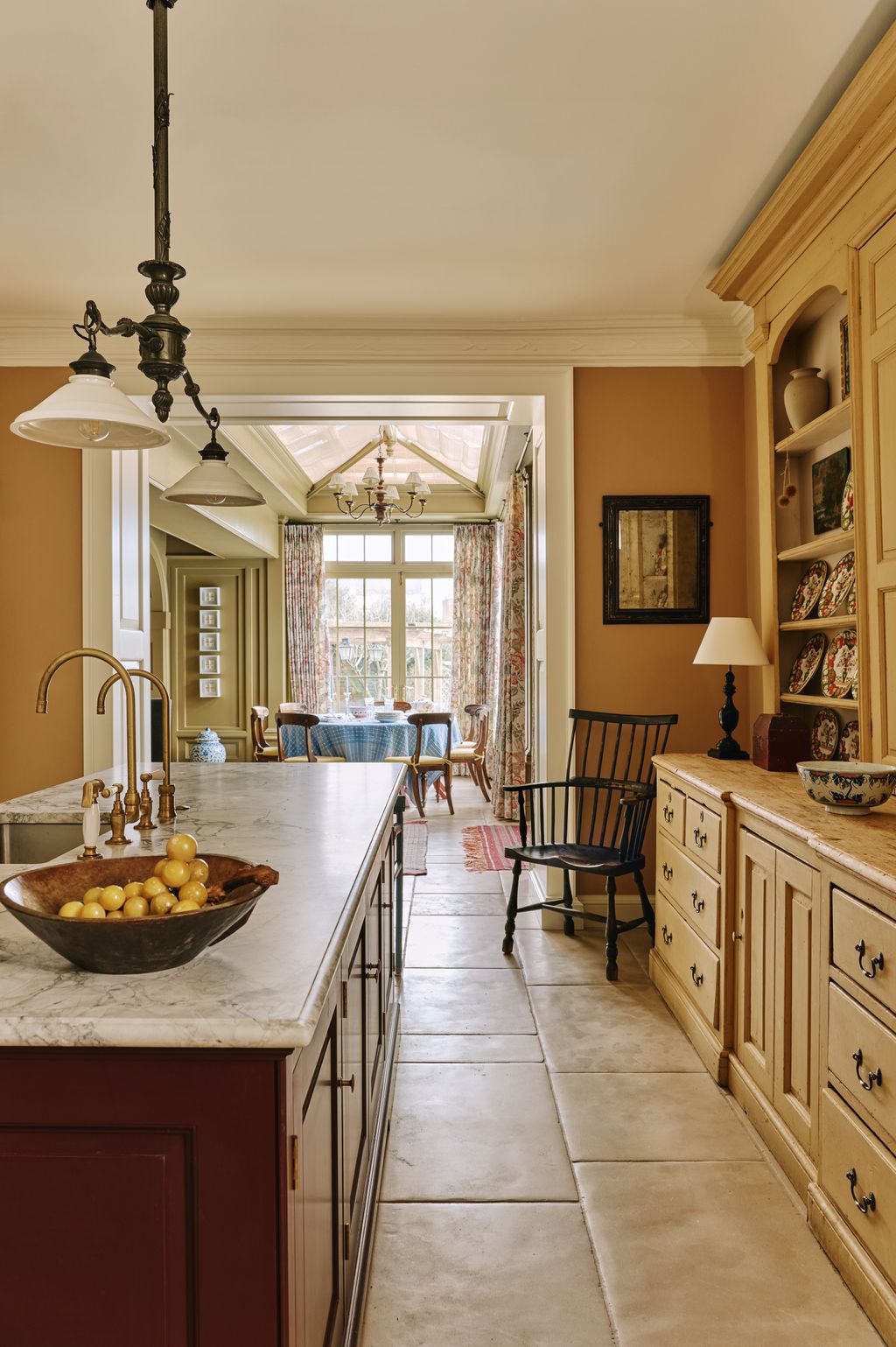
Replacing a kitchen that was out of keeping with this 17th-century house in Hampshire, Max Rollitt has kept things nice and traditional here. The island has woodwork in Little Greene’s ‘Córdoba’, a Bianco Eclipse quartz worktop and Barber Wilsons & Co taps.
 Tom Griffiths3/38
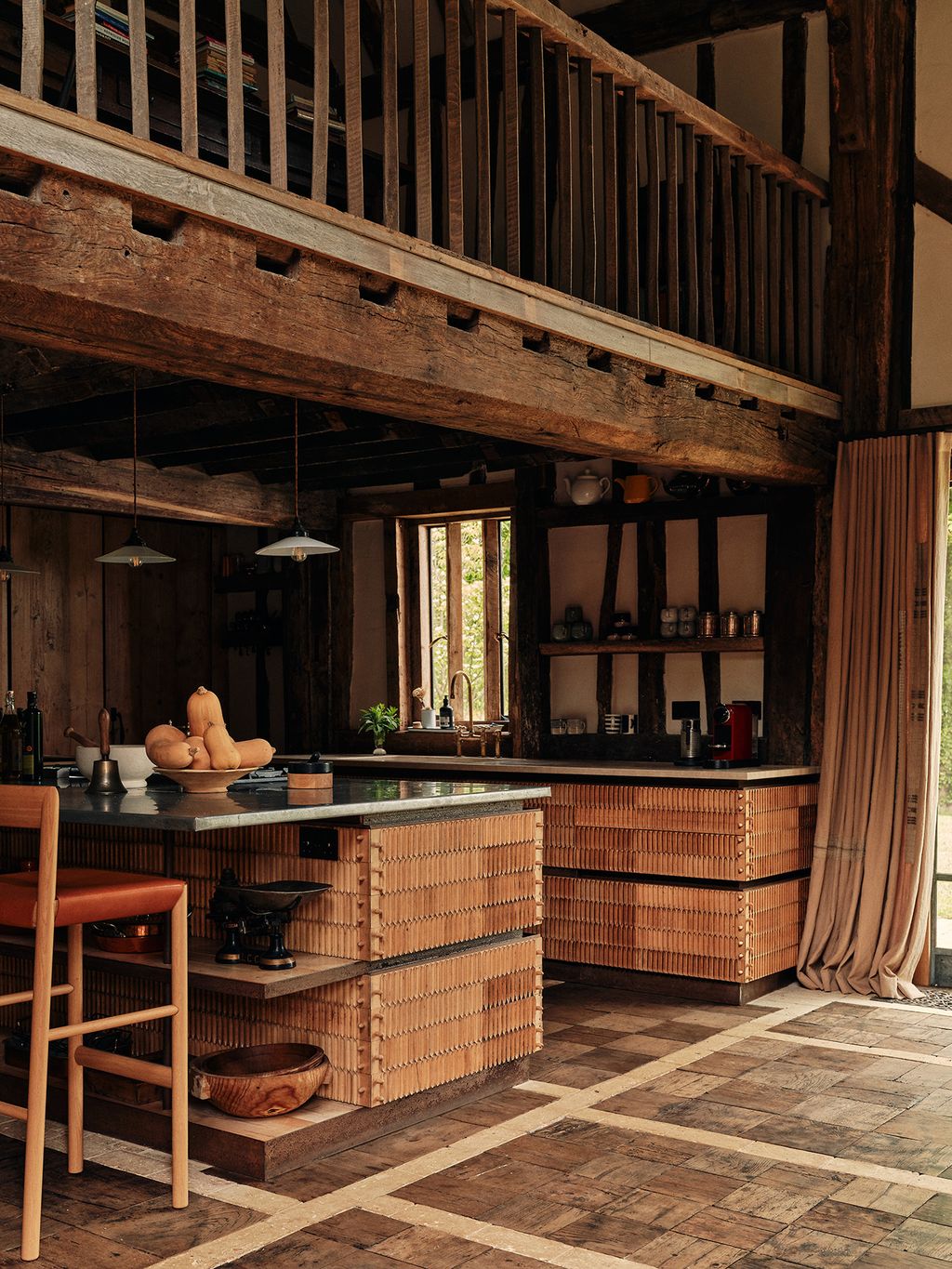
Maria Speke of Retrouvius has employed her trademark mix of salvaged materials to create this incredibly distinctive kitchen in a 17th-century farmhouse in Suffolk. The island is panelled in Dutch beechwood cigar moulds and has a zinc-wrapped work surface, with an overhang that provides a natural space for shelving and for stools for informal dining.
 Sarah Griggs4/38
Interior designer Charlotte Smiley loves to entertain in the kitchen at home in London, so wanted an island large enough for people to sit around, chat and eat. Designed by A&A Architects and made by her contractors at Bonchurch, it is painted in Farrow & Ball’s ‘Studio Green’ and teamed with stools from Oka and pendants from Felix Lighting Specialists.


 Tom Griffiths5/38
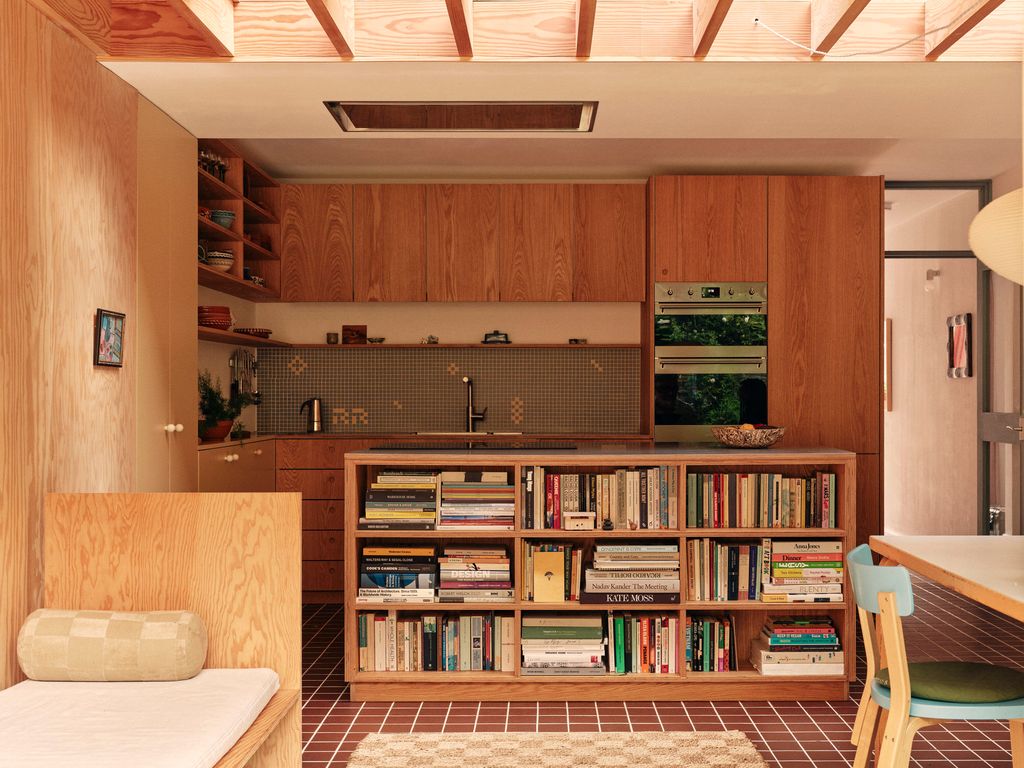
The visible side of the island can present a conundrum in an open-plan living area as you want to make it appealing without wasting the storage space. This design in Corey Hemingway 1960s Lambeth townhouse is very clever, as the books immediately add colour and character – and provide a talking point for guests.
 Michael Sinclair6/38
Designer Thea Speke commissioned 202 Design to create the cabinetry for this kitchen in a west London Victorian house. The arched details and slatted shelving on the visible side of the island are a wonderfully elegant – and useful – addition.
 Mark Anthony Fox7/38
If you’re designing a basement kitchen, increasing the sense of light and space is crucial. In artist Tarka Kings’ house in Bayswater, the gloss black worktops and white cabinet fronts help to reflect the light as it comes in through the skylight. The clean lines of the island, which houses the sink and plenty of storage below, prevents the space from feeling too cluttered or overly fussy – an aesthetic that continues throughout the house.
 Owen Gale8/38
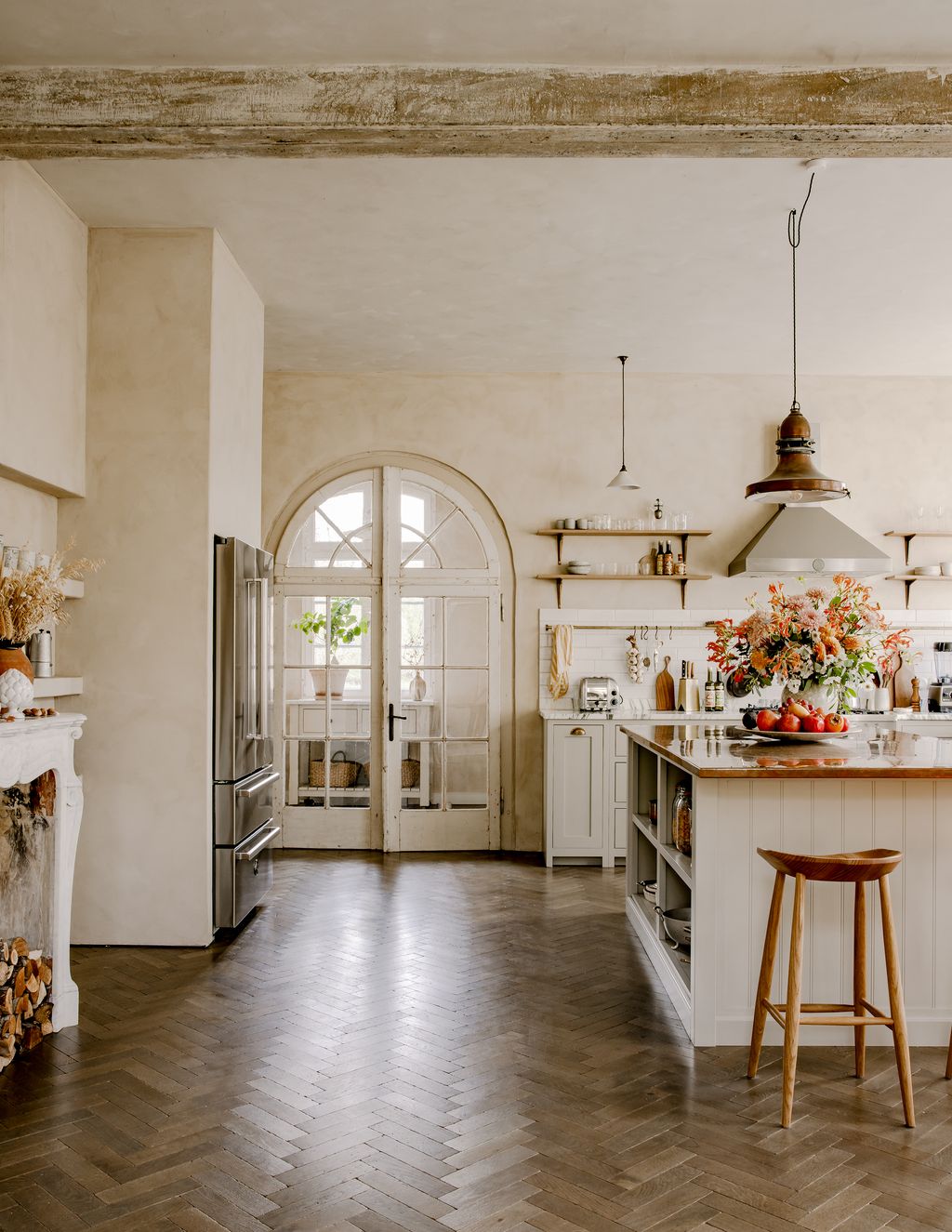
Laura and Nora’s kitchen is the showstopper in their house in the German countryside. The huge island has a warm copper top and is balanced by smart oak parquet floor and an informal limewash paint on the walls.


 Dean Hearne9/38
The forest-green island in the kitchen of botanical artist and set designer Tattie Isles’ magical cottage in Dorset was designed by Tattie herself, and made by a craftsman in north Dorset.
 10/38
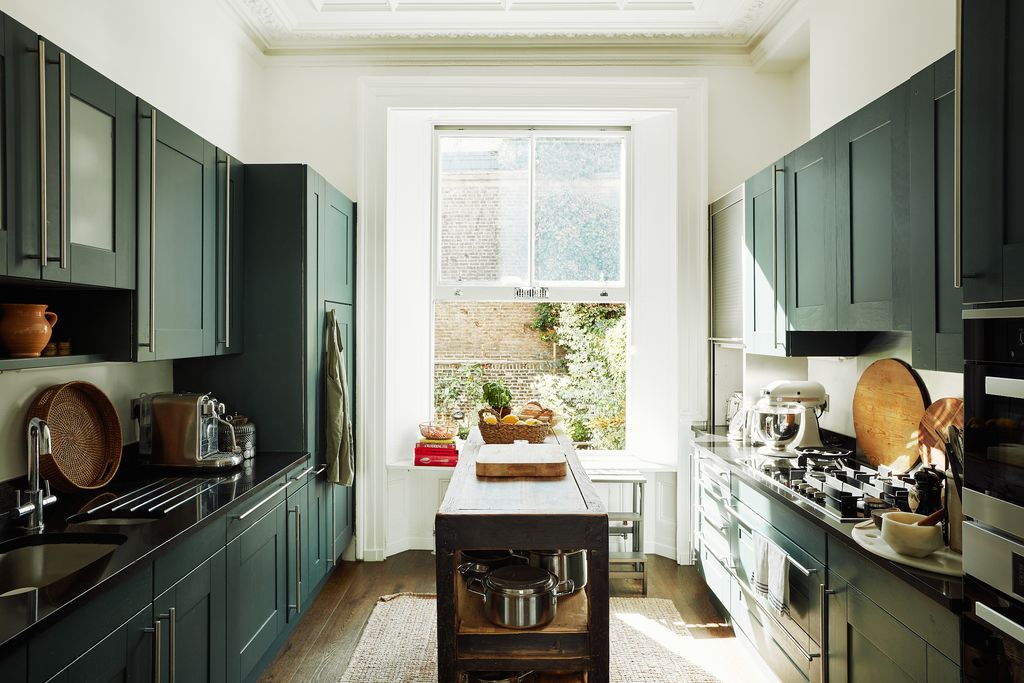
10/38While most people would be frustrated by the limitations of a rental, Juana Pepa has leaned into it in her Kensington townhouse. The butcher's block kitchen island is from Etsy.com, customised by Juana, who removed the doors and added wheels.
 Paul Massey11/38
In this Rita Konig-designed house, Plain English units painted in ‘Mash’ are paired with a kitchen island in ‘Sauce’, with patterned Balineum tiles behind the cooker. It creates a modern country-house feel, heightened by the very smart use of the space beneath the island for dog beds.
 Michael Sinclair12/38
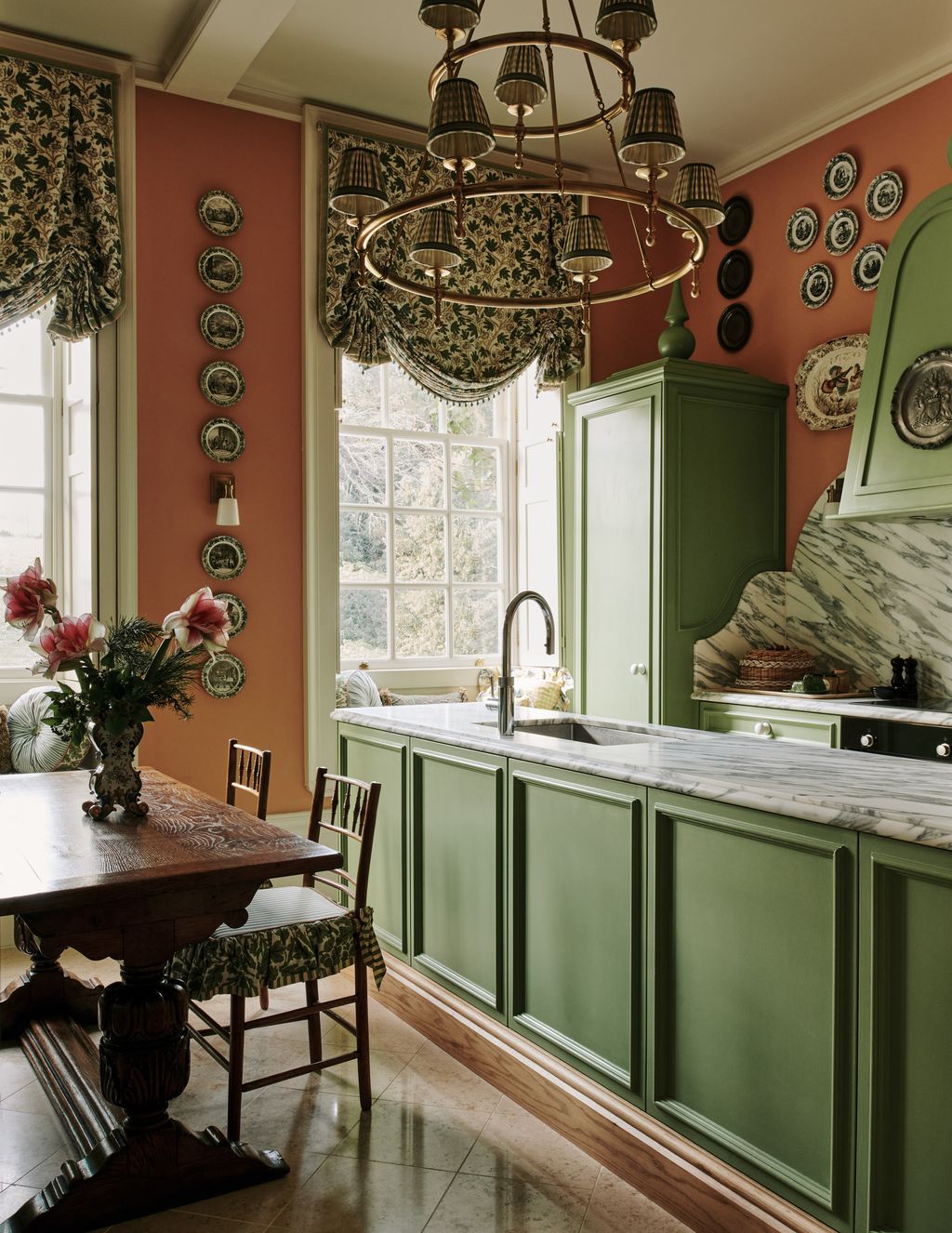
If you ever find yourself wondering what to do with a kitchen that has 3.7-metre ceilings, the answer, it seems, is to create four finial-topped towers and place them in the corners of the room, like Martin Brudnizki has in his 17th-century Sussex flat. Walls in Edward Bulmer’s ‘Dutch Orange’ set off his ‘Invisible Green’ on the kitchen island and cabinetry built by Orior Furniture to Martin’s design and finished with Arabescato marble.


 Owen Gale13/38
Kids and dogs at home? A stainless steel kitchen forms a pleasing contrast and runs down one side of the space with a parallel island of Angus and Charlotte Buchanan’s house. ‘We twisted the arm of a designer we work with on commercial kitchens for restaurants to do this one,’ explains Angus. ‘It’s completely toddler and dog proof, which is good with our 6-month-old puppy.’
 Daniel Schafer14/38
Walls and units in Farrow & Ball’s ‘Chappell Green’ echo the garden in the Basque country house of Cristina Lorenzo, where the island blends seamlessly with the rest of the kitchen.
 Paul Massey15/38
Designed by the architects to look as if they had always been there, the units and island in this Provence house were built by local craftspeople and finished with dark granite worktops and a splashback in old Italian tiles from Riccardo Barthel. The very smart use of the space underneath for storing pretty pottery and woven trays and baskets is wonderful.
 Lucas Allen16/38
If you don't want your kitchen to look too sleek and perfect, a salvaged island can add considerable character and patina. Inside the timber extension of this Christopher Howe-decorated townhouse in Bray, the floor is made from cheeseboards, which were found on a trip to the South of France. Fifties Italian bar stools contrast with the island, which was salvaged from a fishmonger’s.


 Paul Massey17/38
The vibrant ‘Parrots Plume’ gloss from Dulux ties the kitchen island in with cabinetry and the door to the newly created larder. The crocheted ‘Simple Shade 03’ pendant above the island is from Naomi Paul. The ‘Flora’ metal wall lamps are from Maisons du Monde. The kitchen cabinets are from Ikea and were given new fronts and brass handles from Peter Jones. Explore the rest of Rosi de Ruig’s west London family home.
 Simon Brown18/38
This colourful kitchen has Beata Heuman's name all over it. Adding a skirt not only hides away pots and pans and other clunky items, but it's a fun way to introduce pattern, too. Explore more of this London apartment.
 Paul Massey19/38
This kitchen island incorporates open shelving - a great way to display cookbooks or treasured items, and keeps everything within grabbing distance. Explore more of this north London house designed by Maddux Creative, the winners of our 2022 Interior Designer of the Year award.
 Simon Brown / De Rosee Sa20/38
Does a large kitchen island feel too imposing, break it into two, like De Rosee Sa did in Alison Loehnis’ London townhouse. The clearly delineated areas are not just useful but help to prevent the space from feeling too cavernous.


 Alexander James21/38
In a small kitchen, a slim table can work well as an island, with storage on the rack beneath, drawers for cutlery and utensils, and a worktop that coordinates with the surrounding counters. In a tiny Georgian cottage in London, Sarah Peake of Studio Peake restored the cabinets that were already in the kitchen and repainted them, adding a stone floor for a smart finish.
 Michael Sinclair22/38
Maddux Creative designed the kitchen island in this Primrose Hill house, painted in Paint & Paper Library’s ‘Greenback’, to fit within a reclaimed floor-tile border.
 Mark Anthony Fox23/38
Sebastian Cox made the bespoke units and island from native ash and walnut with work surfaces in Calacatta marble and béton ciré. The vintage ‘Program’ bar stools, designed by Frank Guille for Kandya (c1958), were re-covered in a Lewis & Wood linen. Juno the vizsla sits on Douglas fir flooring from Dinesen. Explore more of this London property.
 Rachel Whiting24/38
The copper worktop of this bespoke kitchen island matches the cooker hood in this unusual scheme. ‘I haven’t used wall cupboards because I didn't want the kitchen to read like a traditional kitchen or look too boxy,’ explains Beata Heuman, the interior designer behind this vibrant home in London. The colour palette, which includes a Swedish green marble worktop and a bespoke copper cooker hood and island by Premier Building & Design, complements the garden beyond. It will acquire a greenish patina over time.


 Owen Gale25/38
The bright island in this Bath townhouse adds a jolt of colour to the kitchen with white walls. The kitchen was designed in collaboration with Plain English. The cabinets are painted in the brand's ‘Pretty Pickle’ paint colour and the island is in their ‘Nicotine’. The splashback is painted in a gloss paint of the same shade. At the back of the room, Vitsoe shelving plays off the more traditional design of the island.
 Helen Cathcart26/38
For the kitchen of a client's coastal new-build near Chichester Harbour, interior designer Isabella Worsley opted for a bespoke kitchen island painted in warm tones made by Warwickshire-based Arcadia Antiques.
 Michael Sinclair27/38
This kitchen island in this restored Georgian house in Somerset has open shelving, which displays wine, books and tableware, while Tom Dixon pendant lights hang above.
 Paul Massey28/38
A freestanding island on legs can add an airier feel to a kitchen, as in this 18th-century house in Bath. Vintage wall lights from Felix Lighting Specialists are positioned above the Plain English kitchen units, which are painted in Pure & Original ‘Summerset Mauve’; the island is in ‘Post Modern Mauve’. Pendant light shades salvaged from a factory in Hungary hang over the island. They are sold by Skinflint, which finds, restores and repairs mid-century industrial and decorative lighting from all over Europe.


 Ngoc Minh Mgo29/38
This slim wooden kitchen island in the kitchen of Harriet Anstruther's Sussex farmhouse strengthens the rustic, countryside feel of the scheme to which it belongs. It also cradles a selection of wooden boxes storing miscellaneous kitchen objects.
 30/38
30/38This island was made bespoke to Laura Stephen's design for her Victorian terraced flat in London. A striking red marble was used for the countertop and the design included ‘Gustavian inspired diamond motifs’ that echoed the wallpaper in the bedroom.
 Michael Sinclair31/38
The generous island in this 19th-century house in Hampstead by Retrouvius features a half-and-half island, with one side providing storage for cookbooks, while the other is cut out to allow for a breakfast bar.
 Will Slater32/38
HÁM Interiors gave this historic Cornish cottage a stylish refresh. In the kitchen, they used a Butter Prep Table designed by Studio HÁM as a kitchen island. Brother and sister design team Tom and Kate Cox, ‘envisaged an old dairy table when we started to develop it. ’ Its brass trim, and rustic detail on the legs make it a wonderful addition to the space.


 Tessa Traeger33/38
The other half of the kitchen in the late Robert Kime’s house in Provence displays a mix of fitted elements sitting easily alongside an antique dresser and this draper's table used as an island.
 Paul Massey34/38
This sizeable, marbled-topped island steals the show in the stunning light-filled kitchen of a north London Arts and Crafts house designed by Ben Pentreath. It has been painted in Farrow & Ball's ‘Hague Blue’ to match the cabinets, also designed by Ben, and made by Symm.
 35/38
35/38The marble-topped island in the conservatory-style kitchen of this grand Belgravia townhouse designed by Buchanan Studio is lined with Beata Heuman’s ‘Dodo Egg’ lanterns and Merci Maison’s ‘Ce’cile’ stools.
 Christopher Horwood36/38
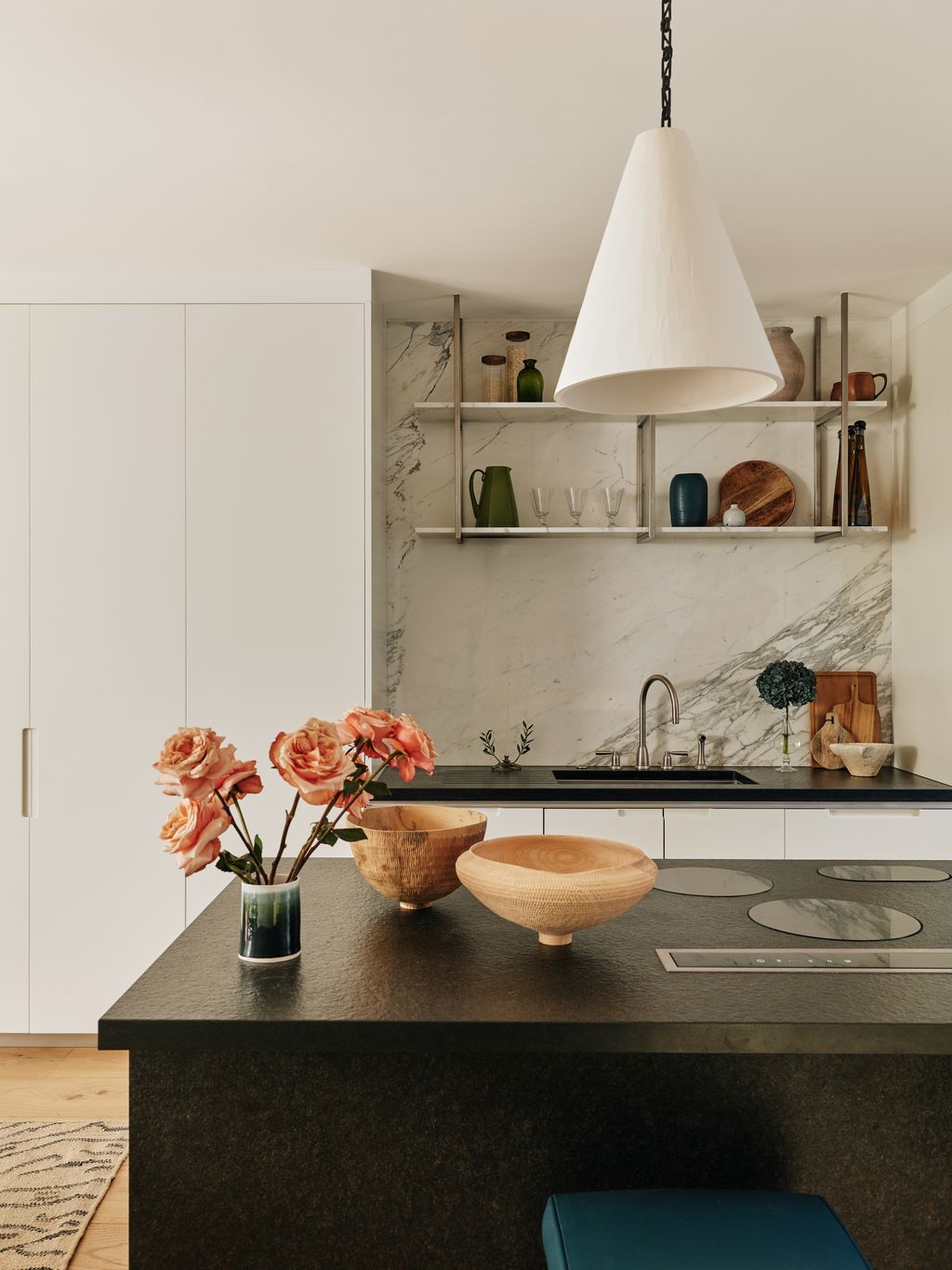
In what interior designer James Mackie describes as the ‘glamorous spaceship’ kitchen in this handsome Victorian terraced house, a dramatic, slate-clad island grabs attention.


 Michael Sinclair37/38
In a London home designed by Maddux Creative, the bright and airy kitchen has an island covered with a Statuario marble shell, which, along with the high ceilings, imparts a sense of grandeur.
 Paul Massey38/38
There are several smart storage ideas to be found in this kitchen island, which anchors the space designed by Carlos Garcia. Much like elsewhere in the handsome Queen Anne house in Norfolk, carefully layered colour and natural materials make for a serene and comfortable house.


Comments
Back to Top


